

Inside ChiBatterySystems + My Take on the Gladiator X Sur-Ron Battery Upgrade
October 21, 2021
Some links in this article may be affiliate links. If you buy through them, we may earn a small commission at no extra cost to you.
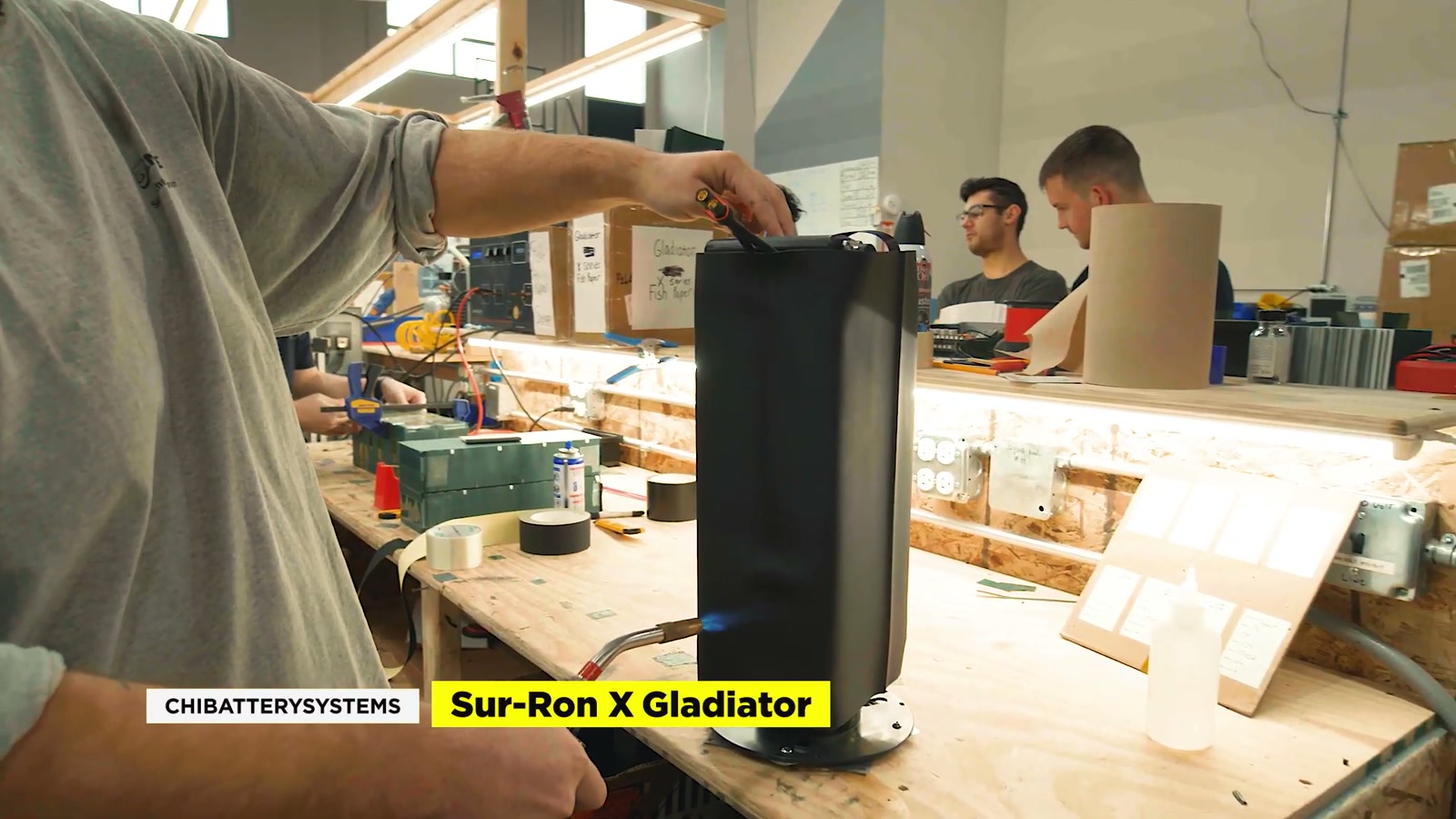
If you’ve been around the light electric vehicle world for any amount of time, you’ve heard the name ChiBatterySystems. I wanted to understand why they’ve become such a big deal in the Sur-Ron and PEV space, so I went straight to the source: their HQ in Mokena, Illinois (just outside Chicago) to see how these packs are actually made and what their design priorities look like up close.
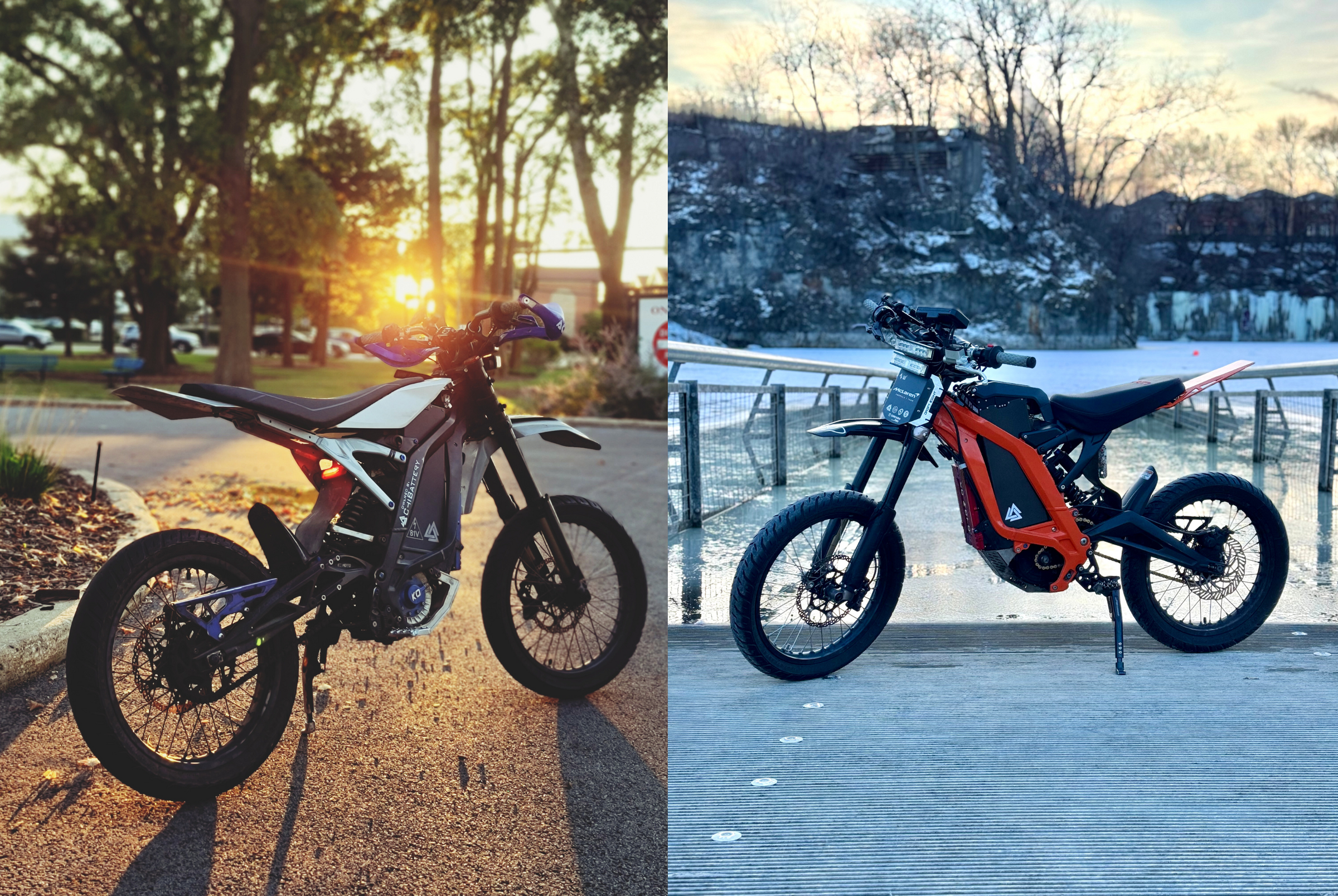
This isn’t a “spec sheet” kind of story. It’s more about what I saw, what felt different about their process, and why their Gladiator X-style approach resonates with the way many of us actually ride.
First impressions: built by riders, not just a factory
Walking in, the vibe felt less like a faceless production line and more like a shop that grew up with the community. ChiBatterySystems started from the early DIY electric days (boards first, then batteries), and you can still feel that origin story in how they talk about product decisions.
What stood out immediately is the mindset: customers expect high quality now, and that’s the bar they build to. The company has scaled fast, but the culture still seems rooted in practical feedback loops—if something doesn’t make sense for real riders, it gets questioned and revised.
From “parent’s basement” to serious scale
The backstory matters because it explains the obsession with durability and usability.
ChiBatterySystems began with high-powered electric mountain boards, then pivoted hard into batteries as the obvious bottleneck across PEVs. The goal wasn’t just “more power because it’s cool.” It was more like: make these vehicles usable—especially when stock range and performance can feel like they were designed around conservative limits.
They’ve reinvested heavily into their own growth and equipment, and it shows. This isn’t a tiny bench-build operation anymore.
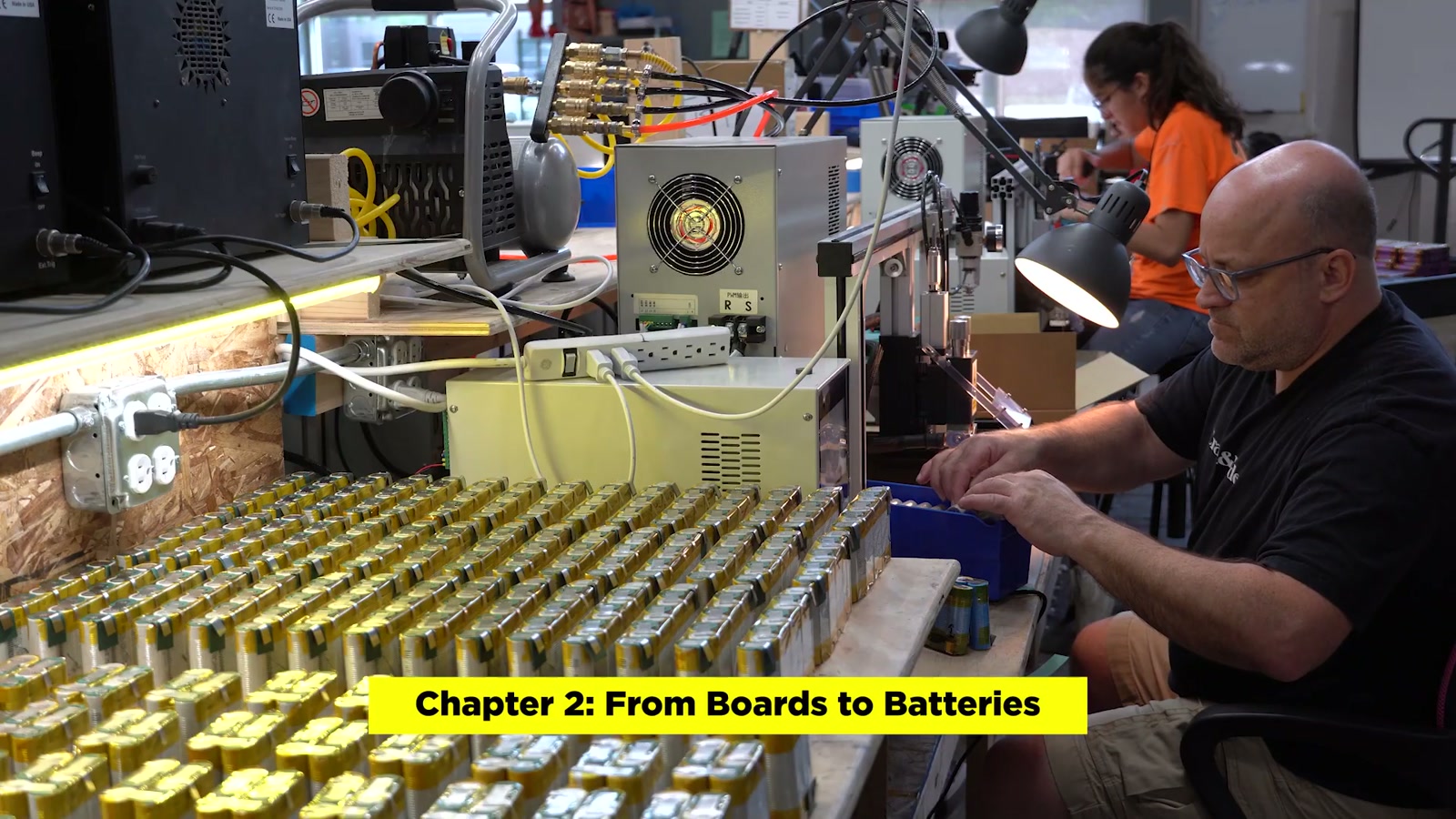
How the packs are built: the unglamorous stuff that actually matters
The most interesting parts of the tour were the things most people never see but absolutely feel on the trail.
Testing for real-world abuse
I watched them talk through crush testing—specifically checking for things like broken welds or hidden issues that could cause shorts or damage. It’s the type of validation that matters when you’re riding hard and the bike is getting rattled, hit, or occasionally tipped in ways we’d all rather not admit.
Designing for manufacturability (without losing the “custom” mentality)
A big difference between DIY packs and a product you can actually ship consistently is repeatability. They aim to keep designs efficient and simple where possible—like using consistent shapes for components across a pack—because consistent manufacturing usually means fewer surprises.
But they also do the opposite when necessary: adding protective measures even if it costs them time. One example that stuck with me was how they’ll add protective steel plates so that even if a small percentage of users accidentally use the wrong screw, it’s less likely to turn into a big problem. That’s not flashy, but that’s rider-first thinking.
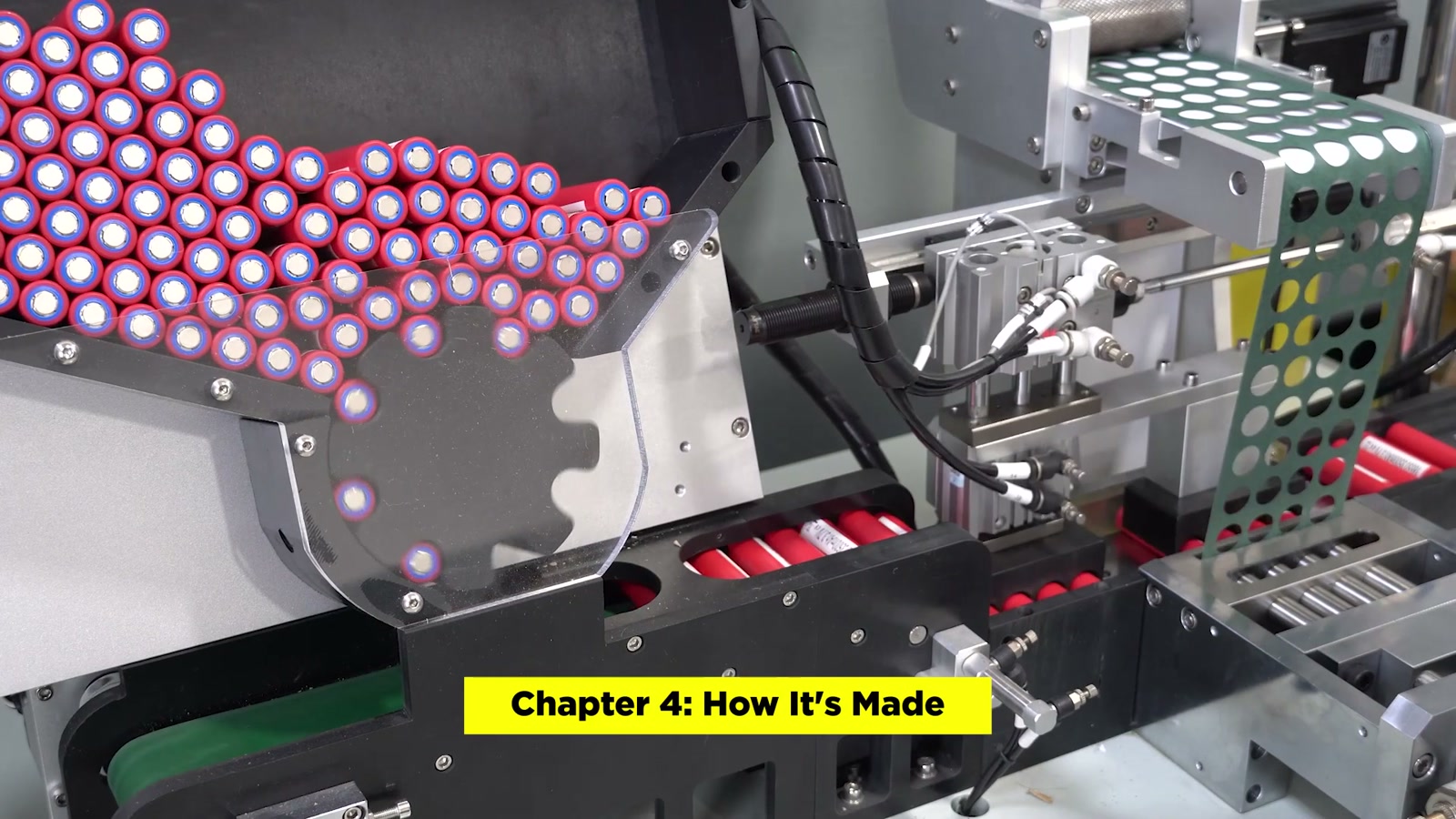
The Gladiator approach: safety and fitment details I liked
When we got into Sur-Ron-specific battery design philosophy, a few themes kept coming up.
Cell-level fusing
One thing ChiBatterySystems emphasized is cell-level fusing—each individual cell has its own fuse. The goal is to isolate damage to a small segment of the pack if something goes wrong (like a puncture or physical damage).
It’s not a magic shield for every possible failure, but it’s a meaningful layer of risk reduction in the kind of environments Sur-Rons live in.
Fitment and iteration (listening, then revising)
Fitment is everything on a Sur-Ron battery upgrade. If you’ve ever dealt with packs that require weird compromises, you know how quickly “more range” can turn into daily annoyance.
What I liked here was the admission that early iterations weren’t perfect, followed by the part that matters: they tweaked designs until the pack fit properly without needing enclosure adjustments.
They also tried a lid replacement concept and then scrapped it after hearing feedback. Instead, they moved to a spacer approach that raises the stock lid slightly to accommodate a slightly taller battery. That’s a very practical decision—keeping the bike closer to stock and reducing the number of things that can become a headache later.
Water protection mindset
I also liked the way they described water protection as layered:
Prevent water from getting in.
If water does get in, add internal isolation/protection.
For the way many of us ride (and occasionally get surprised by weather), that’s the kind of “it happens” engineering I want to hear.
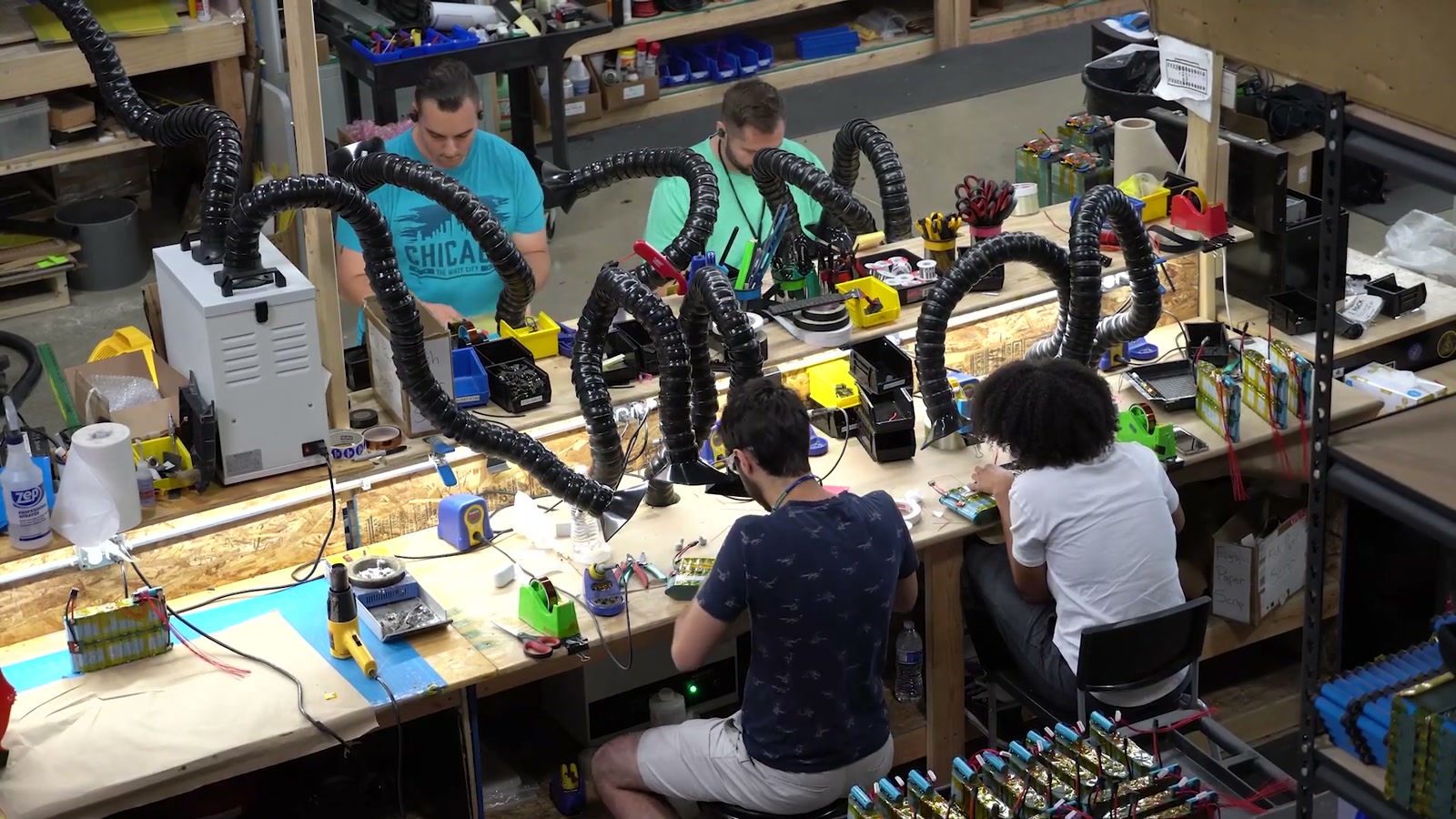
The bigger point: making micromobility actually usable
The most relatable takeaway for me was their focus on usability—turning a fun electric vehicle into something you can genuinely ride more often, farther, and with more confidence.
They also talked about wanting to bring costs down over time and broaden access, not just serve the top end of the market. Whether that timeline works out is a separate question, but I respect the intent because EV fun shouldn’t be limited to only the highest budgets.
What We Like
Strong “rider reality” design mentality: durability, error-proofing, and practical fitment decisions
Cell-level fusing approach aimed at isolating problems instead of letting one issue cascade
Willingness to iterate quickly and scrap ideas (like a lid replacement) when feedback says it’s not ideal
Process and testing focus that goes beyond just chasing performance numbers
Things To Consider
Performance battery upgrades can be expensive, and pricing varies by model and configuration
Even with added safety measures, batteries still require responsible handling, charging, and installation
Fitment solutions like spacers are practical, but they’re still a “modified from stock” setup you’ll want to install carefully
Final Thoughts
After seeing the operation up close, ChiBatterySystems makes more sense to me as a brand. The appeal isn’t just power or range—it’s the combination of community-driven iteration, manufacturing discipline, and lots of unsexy protective details that add up to a better ownership experience.
If you’re considering a Sur-Ron battery upgrade like the Gladiator X, what mattered most to me here was the philosophy: build it to fit right, protect it from real-world mistakes, and engineer for the kind of riding we actually do.