

Ancheer RoverH Review: A Budget Fat-Tire Ebike That Actually Likes Bad Weather
January 11, 2025
Some links in this article may be affiliate links. If you buy through them, we may earn a small commission at no extra cost to you.
I’ve been riding and reviewing a lot of budget “all-terrain” fat-tire ebikes, and they tend to blur together. The Ancheer RoverH didn’t magically reinvent the category—but after putting it through frigid Michigan winter riding (snow, ice, muddy trail sections, and rough paths), I came away thinking it’s one of the more sensible budget picks if your expectations are in the right place.

It looks clean, the battery integration is genuinely stealthy for this price range, and the overall ride feel is friendly for newer riders. But there are also a couple of compromises that matter more on a 90 lb ebike—especially braking.
First Impressions: Sleek for a Budget Bike
At a glance, I liked the RoverH’s design. It’s mostly black with blue accents, and the battery is integrated into the down tube in a way that makes the whole bike feel less “add-on” and more cohesive.
This is also the kind of bike that makes sense when the weather is ugly. Cold, snowing, and slick conditions are exactly where fat tires can make an immediate difference.
Setup & Features I Actually Noticed in Use
Rather than chasing spec-sheet hype, these are the features that stood out once I started riding.
Fat tires that calm everything down
The 26x4" puncture-resistant, dual-sport tread tires are the star of this bike. On salted pavement, ice patches, and snow-covered trail sections, the bike felt planted and predictable. I never felt like it was suddenly trying to dump me.
Front suspension helps, but it’s still a hardtail
Up front, there’s a suspension fork with lockout (and adjustment). It takes the edge off small hits, but the bike is still a hardtail—and on rougher trails you feel it. I found myself wanting to stand up more when the terrain got choppy.
Integrated rack and fenders are everyday-use upgrades
The rear rack is built-in, and that’s a practical win for commuting, errands, or carrying trail gear. Front and rear fenders are also integrated, which is exactly what I want in wet or slushy conditions.
Lighting is trail/commute friendly
The integrated headlight is bright and the styling looks good. Out back, there’s a tail light, but it doesn’t brighten when you brake—so don’t expect brake-light behavior.
Fit & Comfort: Tall, Plush Seat, and a Lot of Bike
This is a physically big-feeling ebike.
I’m 5'5" and it felt tall for me. If you’re around 5'7" and up, you’ll probably feel more naturally “in” the bike. For shorter riders, it’s doable, but it’s not that easy, casual hop-on fit.
The saddle is surprisingly plush, and it has dual springs underneath to help absorb vibration. That helps, but it doesn’t replace rear suspension—so on rough trails you still get bounced around.
Power Delivery: Smooth, Beginner-Friendly, and Trail-Appropriate
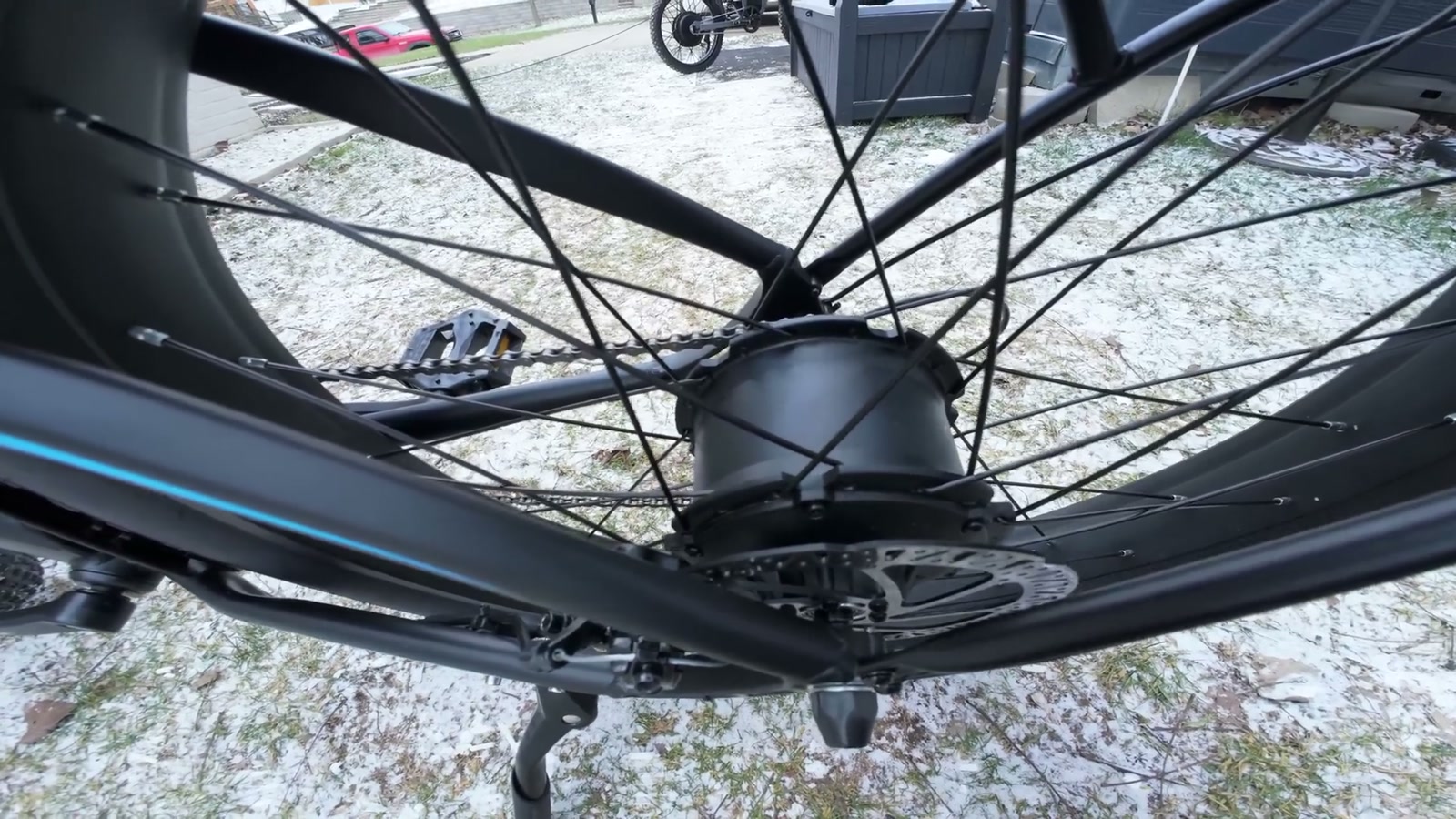
The RoverH uses a rear hub motor (listed as 750W). In real riding, what I cared about was how it delivered power—not just the number.
Pedal assist feels natural (and scales up nicely)
On pedal assist level 1, it felt a bit underpowered relative to the bike’s heft. With the bike’s weight, I didn’t see myself living in PAS 1 unless I was just cruising flat ground and taking it easy.
PAS 3 felt like the sweet spot: the motor kicked in quickly, the delivery was smooth, and it gave “just enough” help to make the bike feel cooperative instead of sluggish.
PAS 5 delivered plenty of power, and the throttle felt strong without being twitchy or sketchy. Overall, the tuning feels friendly—good for beginner to intermediate riders who don’t want something that rips so hard it throws their balance off.
Top speed reality check
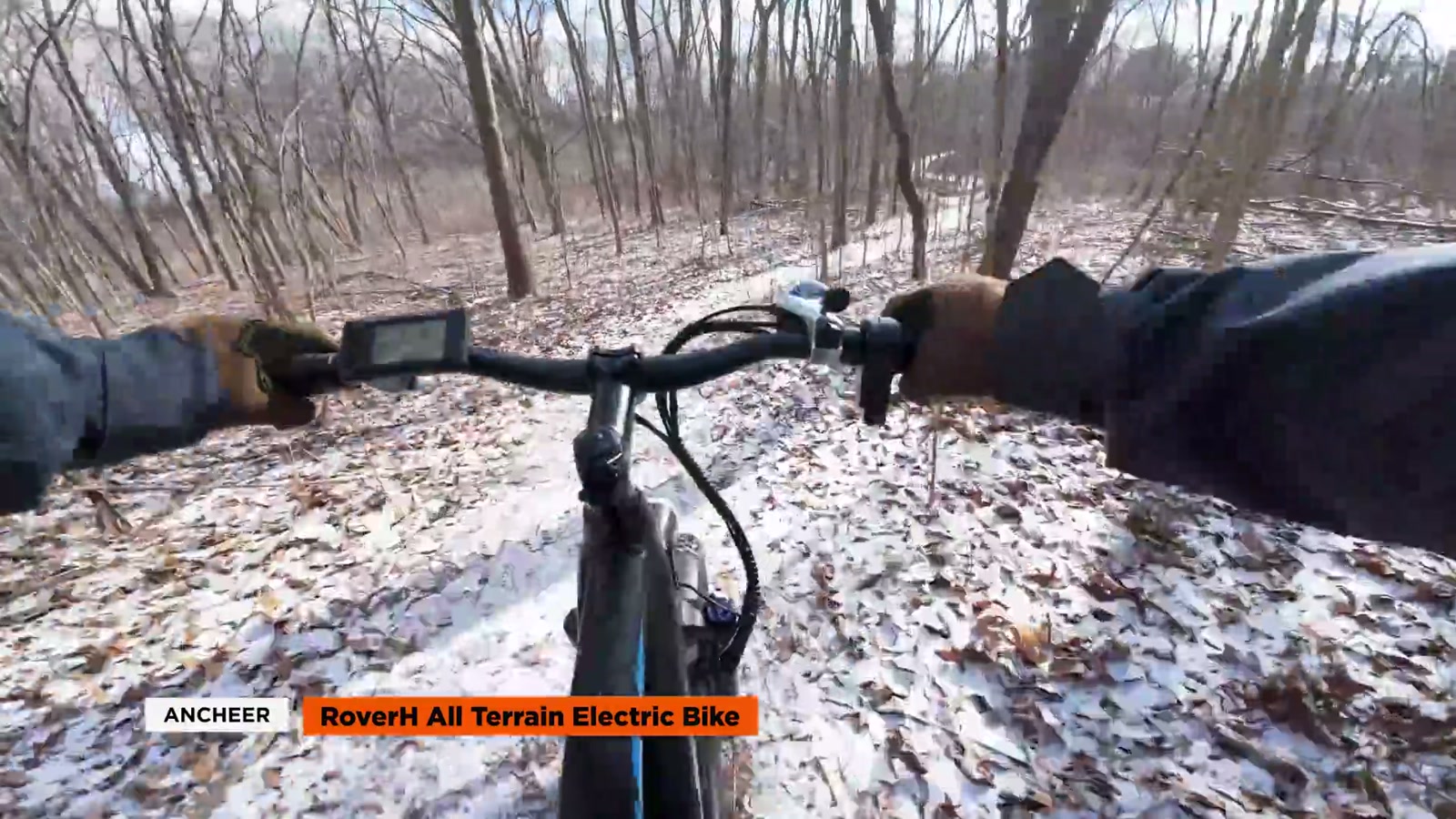
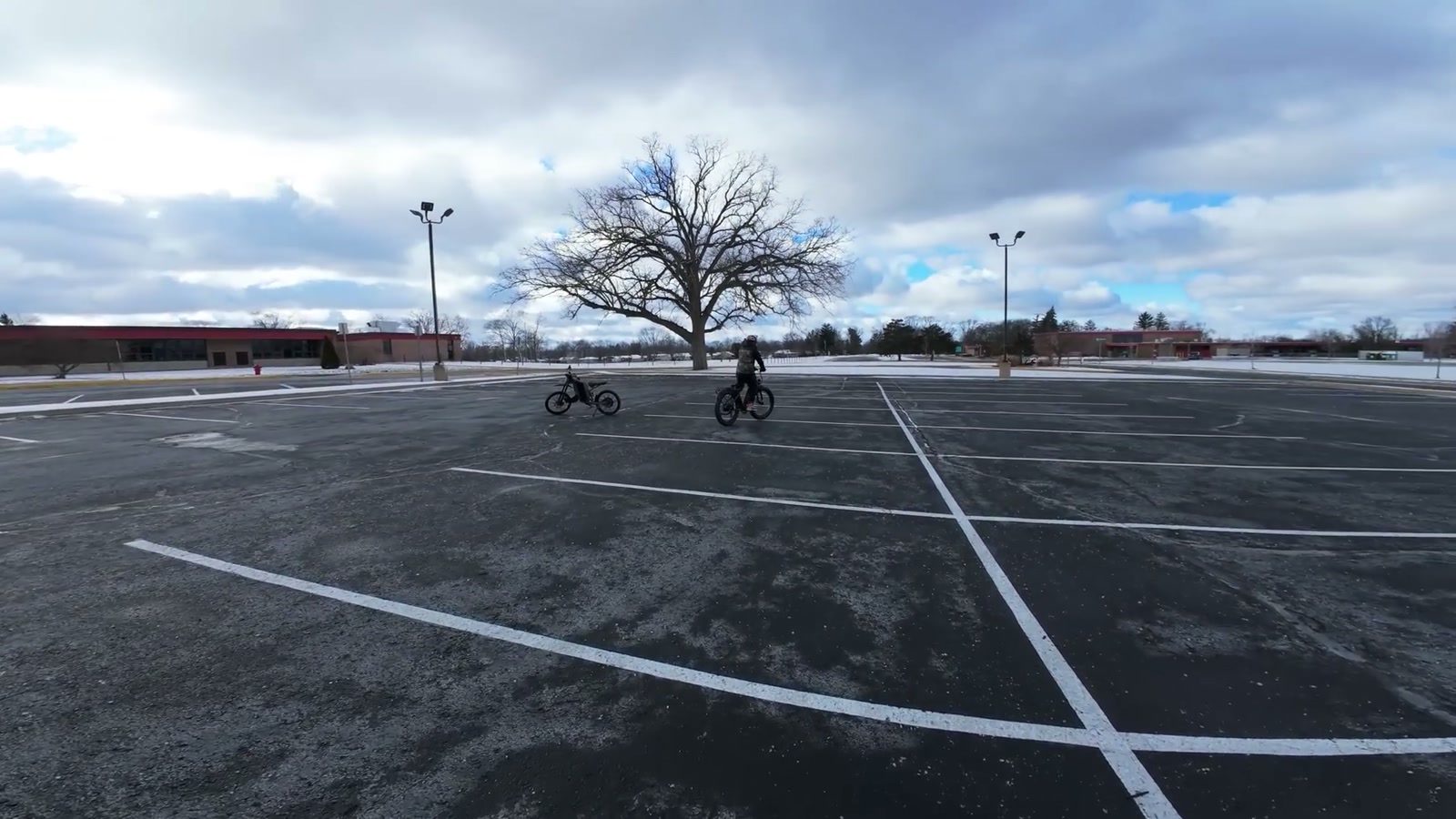
On flat terrain, my max speed was about 20 mph. Personally, on tight snowy trails, that speed is perfect—anything faster without serious suspension gets dicey fast. But if you’re shopping for a faster electric mountain bike experience, this isn’t aimed at that.
Street Ride Feel: Stable and Predictable
On pavement, the fat tires add a stable, slightly “heavy” feel (in a good way when it’s slick out). The bike tracked straight and felt easy to maneuver considering its size.
The front fork felt okay, though I could tell it wasn’t perfectly dialed for me out of the box. Still, it did enough to keep the front end from feeling harsh.
Trail Ride Feel: Confidence From the Tires, Reality From the Hardtail
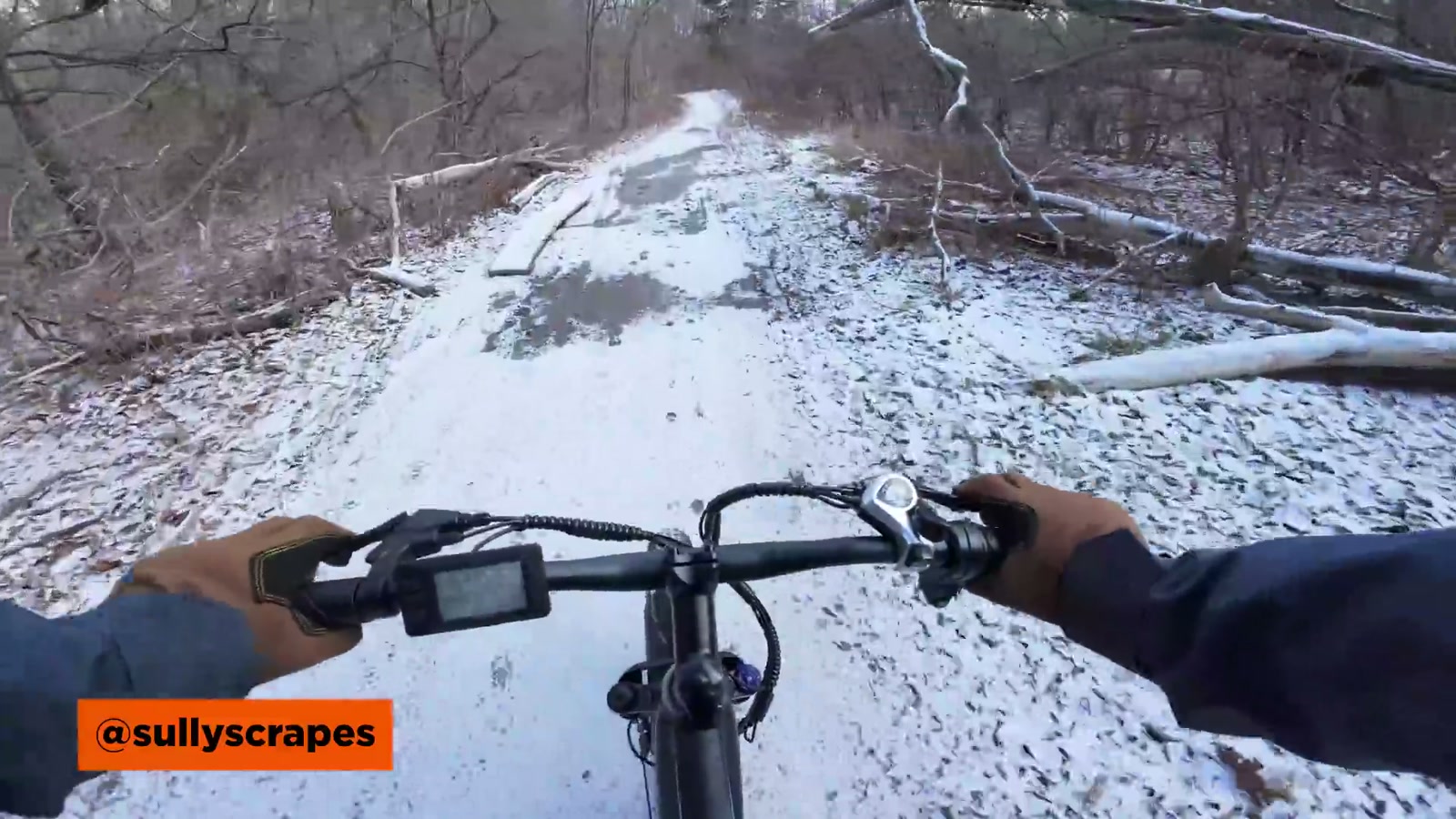
Once I got it into the woods, the overall vibe was: stable and capable… as long as you ride it like a hardtail fat bike.
The tires kept grip in icy, snow-covered sections better than I expected. I didn’t have traction panic moments, even on sketchy winter trail surfaces.
On rougher spots, the lack of rear suspension is the limiter. Standing up and letting your legs do the work becomes the move if you want to stay comfortable.
Pedal assist on trail felt punchy. It’s aggressive in the sense that it gives you help right when you want it, which is great for climbing and getting through tight sections—though I wouldn’t mind if it were just a touch less eager while pedaling in technical terrain.
Braking: The Biggest Compromise on This Bike
The RoverH uses mechanical disc brakes with 180 mm rotors. They work, but they don’t feel strong enough for a heavy fat-tire ebike when you need a quick, confident stop.
Even after adjustment, I had to squeeze harder than I wanted to. The feel is also a bit draggy before the bite really comes on, which is not what I want when conditions are cold, hands are numb, and traction is unpredictable.
This is the clearest “budget ebike” tell on the RoverH. The rest of the bike feels like a solid value—then the brakes remind you where costs were saved.
What We Like
26x4" fat tires feel stable on mixed surfaces (snow, ice, pavement, trail)
Battery integration looks clean and stealthy in the frame
Power delivery is smooth and beginner-friendly, especially around PAS 3–5
Integrated rear rack is genuinely useful for daily riding and carrying gear
Headlight is bright and looks good on the bike
Things To Consider
It’s a heavy ebike (listed around 90 lb), and PAS 1 can feel underpowered because of that
Hardtail setup means rough trails can feel choppy without standing up and managing impacts
Mechanical disc brakes require more hand effort and don’t inspire maximum confidence for quick stops
Top speed topped out around 20 mph on flat ground, which may feel limiting if you want more speed
Fit felt tall for me at 5'5"; taller riders will likely feel more comfortable
Final Thoughts
The Ancheer RoverH makes the most sense for riders who want one affordable ebike that can do a bit of everything: commute, errands, winter riding, and mellow trail exploring.
The biggest wins are the planted feel from the fat tires, the smooth power delivery, and the practical rack/fenders setup. The biggest compromise is braking feel—especially on a bike with this much weight and off-road intent.
If you’re newer to ebikes, want something stable in sketchy weather, and you ride trails at sensible speeds, the RoverH is a compelling budget option. If you want higher performance braking, more speed, or more suspension for rough terrain, you’ll probably outgrow it.