
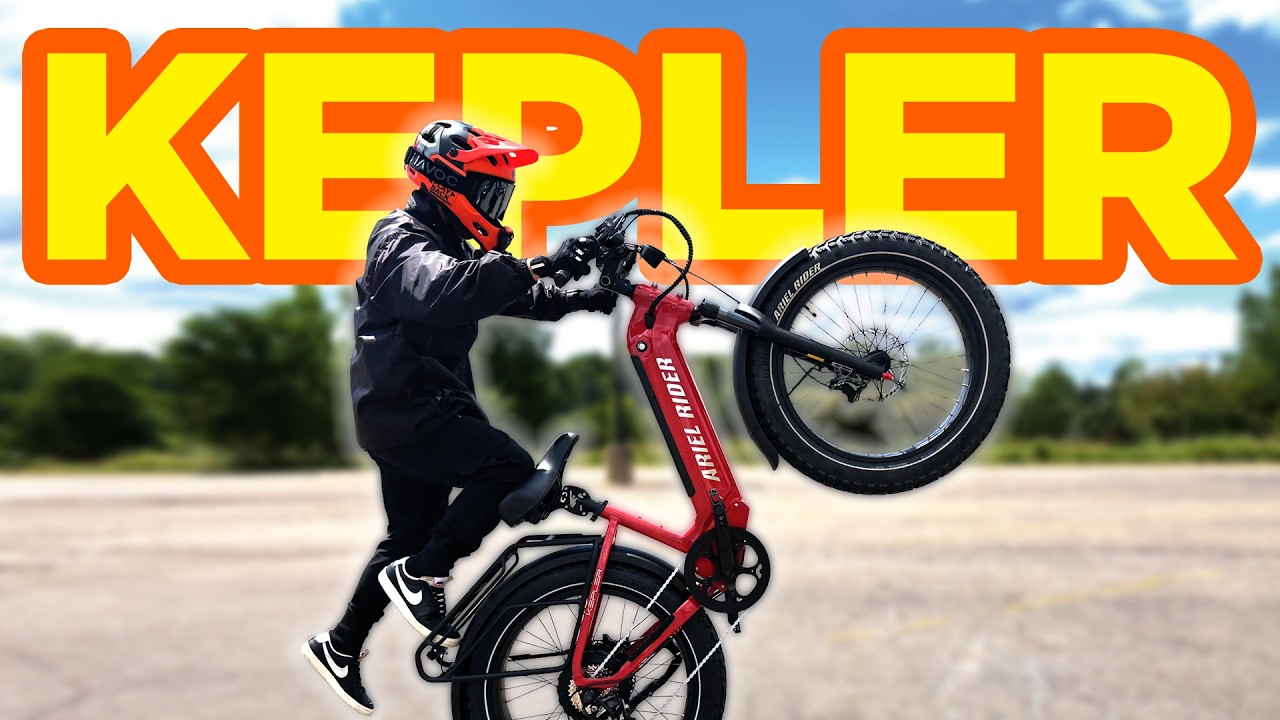
Ariel Rider Kepler Review: A Seriously Fun All-Terrain eBike (That Prefers Pavement)
August 13, 2026
Some links in this article may be affiliate links. If you buy through them, we may earn a small commission at no extra cost to you.
The Ariel Rider Kepler is the kind of eBike that makes you grin the moment it starts pulling. It’s quick, it’s stable, and it has that fat-tire “steamroller” vibe that makes rough pavement feel less annoying.

But after spending time riding it around town, pushing it up to speed, and poking at its off-road ambitions, my take is pretty simple: the Kepler is a strong commuter-first fat tire eBike that can handle some dirt when you need it—just don’t buy it expecting a plush trail bike.
This is my hands-on Ariel Rider Kepler review, focused on what it’s actually like to live with and ride.
First Impressions
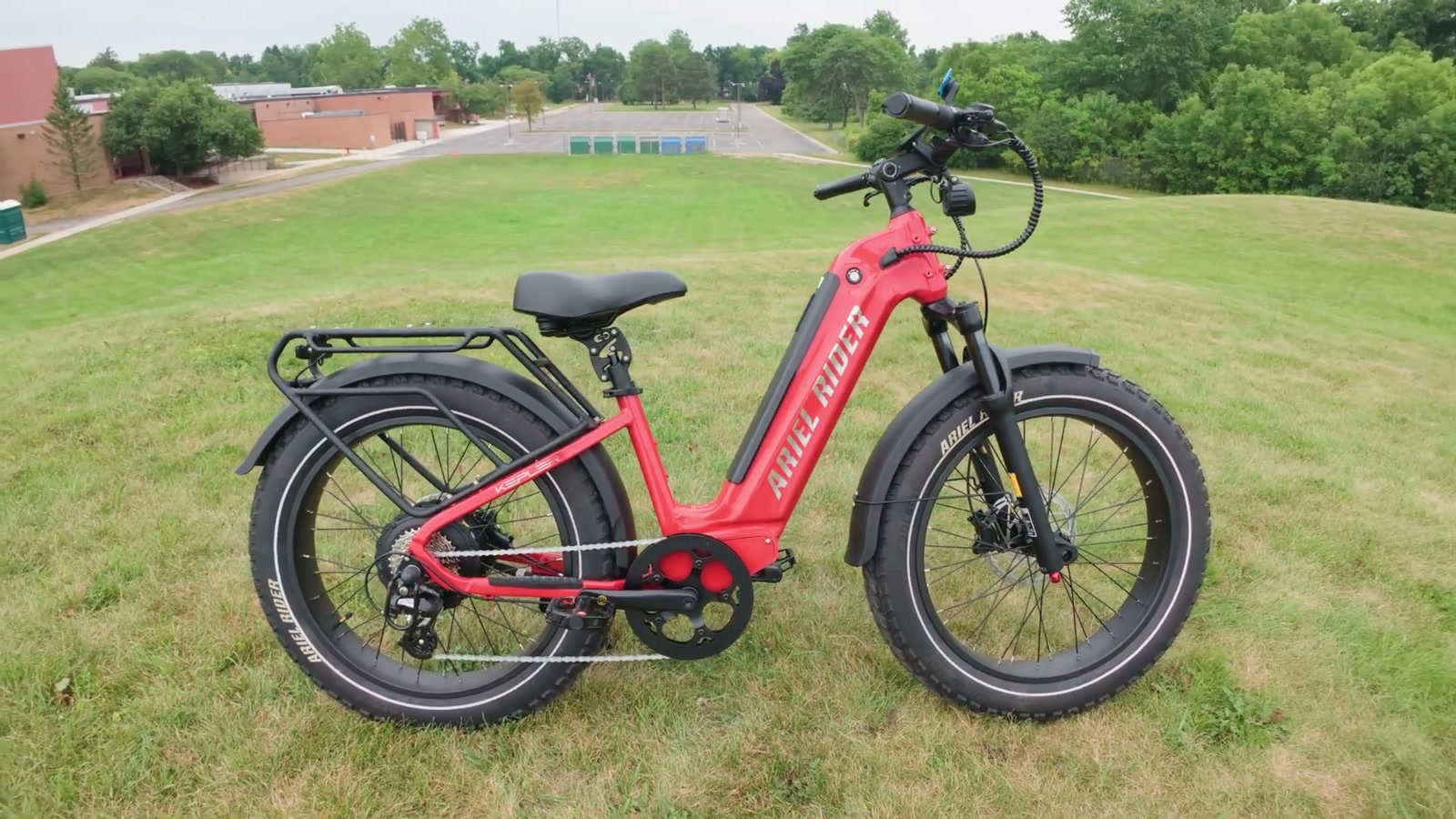
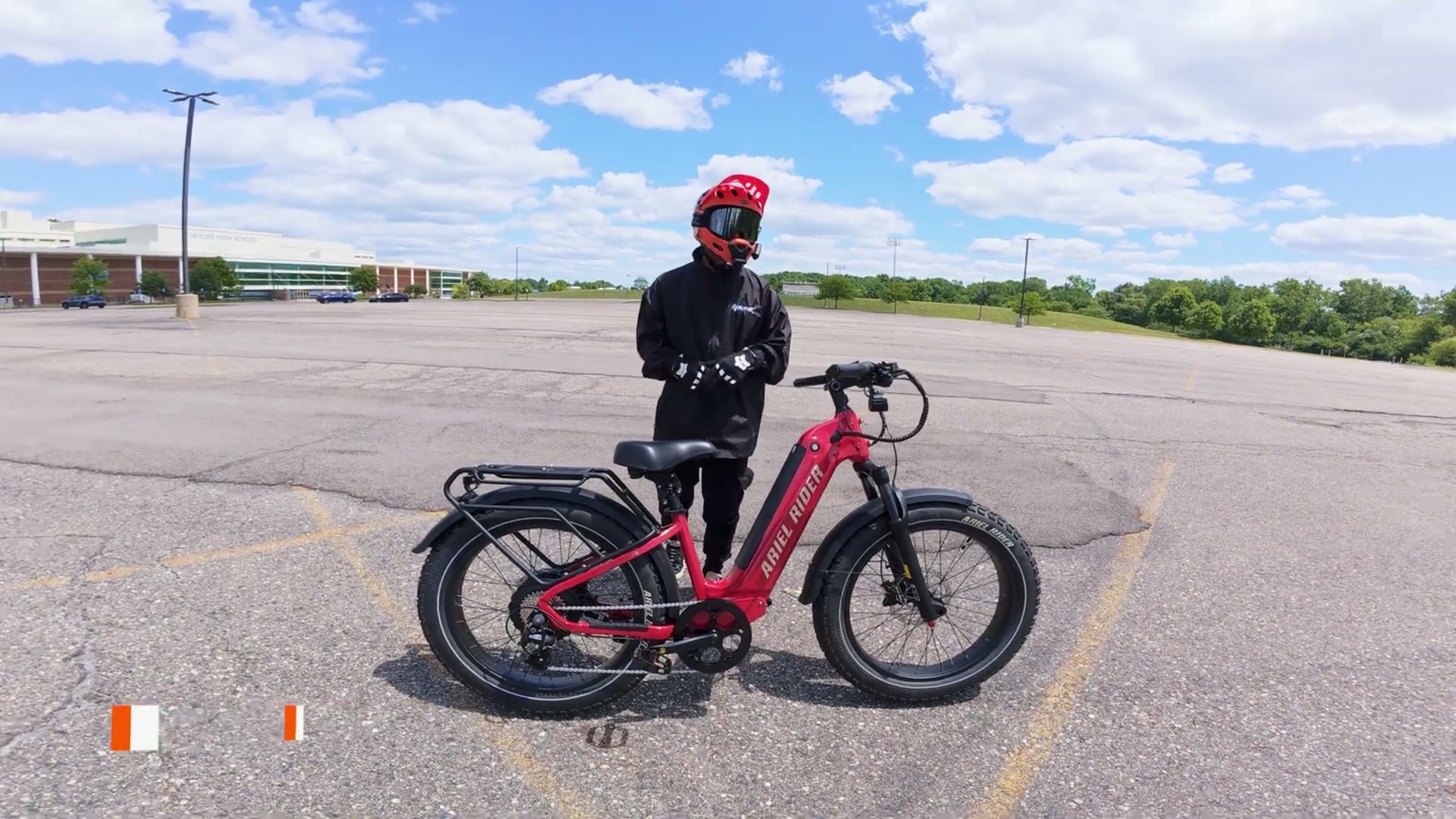
The Kepler I tested is the single-battery version in a dark, glossy red that looks better in person than I expected. In the sun it has a subtle sparkle, and the black accents keep it from feeling loud.
The overall shape is classic “fat tire mountain-style commuter,” but with a step-through frame that makes it way more approachable than the typical high top-tube fat bike. If you’re hopping on and off a lot—running errands, commuting, dealing with stoplights—step-through just makes life easier.
It’s also a big bike. At about 73 pounds, it’s not something I’d want to carry up stairs every day. It’s doable if you have to, but it feels far more at home in a garage, shed, or ground-floor storage.
The Setup That Matters: Torque Sensor vs Cadence Sensor
One of the most interesting things about the Ariel Rider Kepler is that it lets you switch between a torque sensor and a cadence sensor.
That one feature changes the personality of the bike more than any spec sheet ever will.
Torque sensor mode feels intuitive and “bike-like.” The harder I pedal, the more naturally it responds.
Cadence sensor mode feels more like a mini-moped. Once it detects pedal rotation, it feeds power regardless of how hard I’m pushing.
The catch: switching between those modes takes a few steps in the menu system. It’s not hard, but it’s not a quick “tap a button and go” kind of thing either. I get why Ariel Rider does it (it avoids accidental mode changes), but in day-to-day riding, I definitely wanted a faster way.
Comfort: Big Seat, Real-World Suspension, and Where It Shines
The Kepler is a hardtail, and you feel that. It does have a front suspension fork (with lockout and rebound adjustment) and it includes a suspension seatpost, plus a huge, thick saddle.
That combination sounds like it should be cushy—and in some ways it is—but weight and riding surface matter.
On smooth pavement, the Kepler is genuinely comfortable. The fat tires and upright-ish cockpit do a lot of heavy lifting.
On rough pavement (cracks, broken edges, parking lot chop), I felt more of the hits than I expected, especially in the rear. Part of that is rider weight: I’m around 135 pounds, and suspension seatposts tend to feel better when there’s more weight on them. If you’re heavier than me, I can see the seatpost doing more work.
The funny thing is: at speed, it almost feels more comfortable. The bike settles in, and the bigger tires smooth out the chatter better than when you’re creeping around.
Ride Experience: How the Kepler Feels on the Road
This is where the Kepler earns its keep.
Getting rolling
Because it’s a heavier fat-tire eBike, it takes a beat to get moving from a dead stop. But once it’s rolling, it feels planted and confident.
In the lowest assist settings with the torque sensor, the tune feels surprisingly well-behaved. Some powerful hub-motor bikes can feel jumpy or awkward at low speeds—especially for beginners—but the Kepler is easy to control when you keep it calm.
That matters if you’re riding bike lanes, mixing with pedestrians, or doing slow-speed maneuvering.
Eco, Trail, and Boost modes
The Kepler gives you different ride modes (Eco, Trail, Boost), and they don’t feel like meaningless labels.
Eco mode feels like the “commute politely” setting. It keeps power predictable and manageable.
Trail mode brings more overall punch and feels tuned for midrange speed.
Boost mode is where the Kepler starts to feel like it’s stretching its legs, especially once you’re past about 15 mph.
In Boost with higher assist, the bike noticeably “unlocks” as speed builds. It doesn’t do anything sketchy off the line, but once you’re moving, it keeps pulling.
Handling and turning
This is still a fat-tire bike, and it rides like one.
The Kepler wants wider turns and smoother inputs. It’s stable, not nimble. If you’re coming from a lighter commuter eBike, you’ll notice it immediately.
That said, the stability is part of the appeal. On imperfect streets, it feels secure.
Speed Test: What I Actually Hit
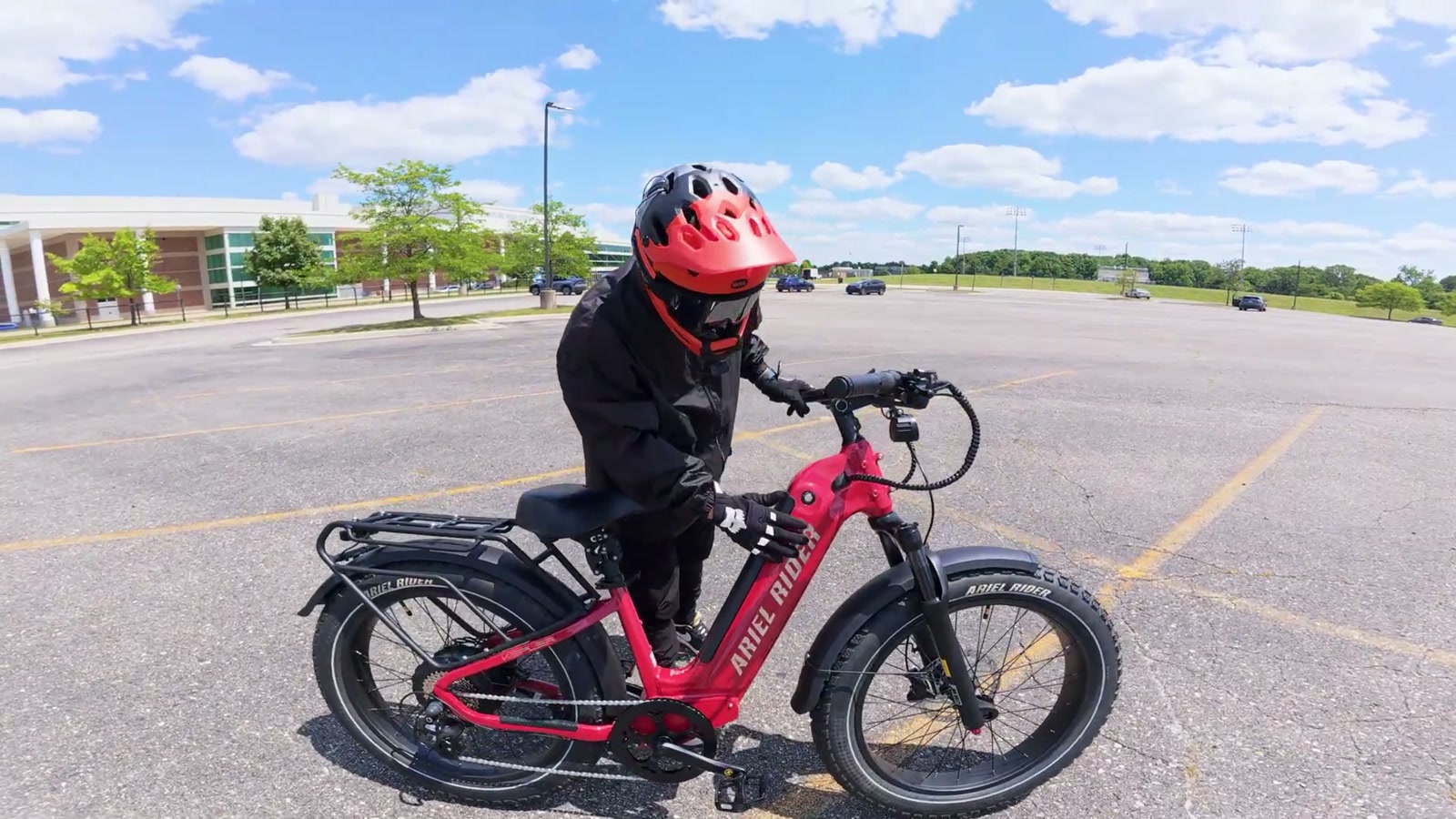
I tested top speed in pedal assist level 5 using the cadence sensor.
In my runs, I saw about 33–35 mph depending on direction and grade. Pedal assist only and pedal-plus-throttle ended up landing in basically the same range.
In other words: once it’s near its top speed, adding more input doesn’t radically change the result. The Kepler gets up there, then it’s done.
That’s still very fast for a fat-tire commuter-style eBike. It’s also the kind of speed where you need to be realistic about your roads, your traffic environment, and your personal comfort level.
Cadence Sensor Mode: The “Just Rip” Setting
Switching the Kepler to cadence sensor mode changes the vibe immediately.
It becomes more of a freewheeling, coast-along experience—especially combined with throttle. Power comes on strongly and consistently, and it’s easy to modulate once you’re used to it.
If your ride is long stretches of road with few interruptions, cadence mode makes a ton of sense. You can sit into the bike’s rhythm and let it do its thing.
But if you’re riding in crowded paths, tight bike lanes, or stop-and-go urban stuff, I preferred torque mode because it’s easier to “ride precisely.”
Braking and Safety Features (The Stuff You Notice in Traffic)
The Kepler uses hydraulic disc brakes with big 203mm rotors and a four-piston setup. In real riding, the brakes felt strong—strong enough to lock the wheels when I grabbed a handful.
That’s what I want on a bike with this much mass and speed potential.
For commuting, the integrated lighting package is also a big plus. The headlight is extremely bright and adjustable. In the rear, you get a brake light that brightens when you squeeze the lever, plus integrated turn signals.
Turn signals on an eBike aren’t a gimmick if you actually ride around cars. Visibility and clear communication matters, especially when you’re moving faster than a typical pedal bike.
Off-Road: Capable, But Not a Trail Bike
The Kepler can absolutely handle light off-road.
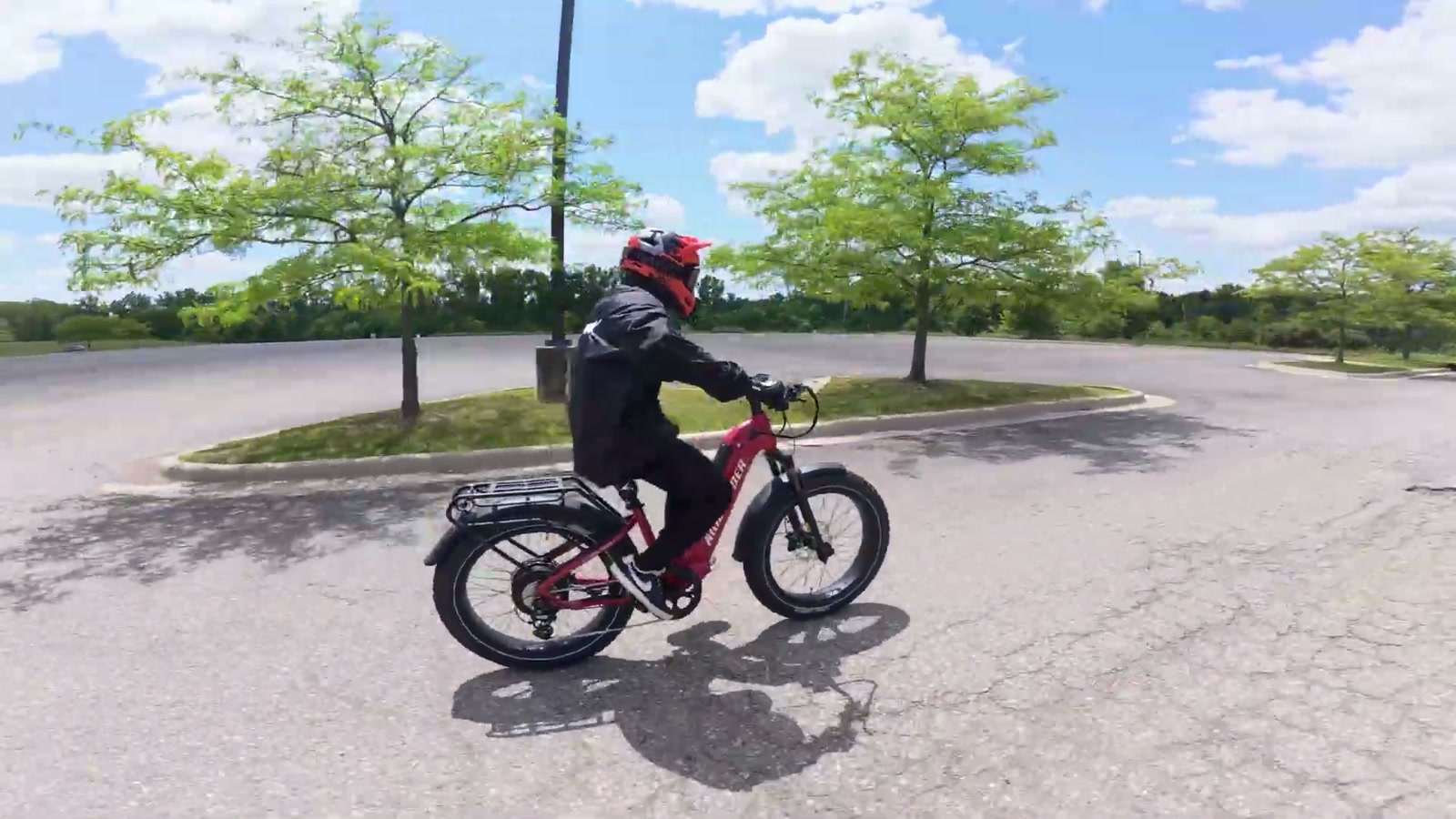
I rode it onto grass and tested a small hill. It’ll do it, but you feel the weight—and on steeper stuff, I needed to add real leg power to make progress.
The bigger takeaway is comfort: even with the front suspension and fat tires, it’s still much happier on pavement than on rough trail.
So yes, “all-terrain” in the sense that it can transition between surfaces and handle sketchy streets, dirt paths, and grass. But if your main goal is trail riding and you want a plush ride over roots and rocks, this isn’t the bike I’d pick.
Everyday Use: Commuting and Cargo
Where the Kepler makes the most sense is everyday transportation.
You get:
A rear rack rated for 60 pounds
Full fenders
Fat tires for potholes, debris, and rough streets
Lighting and signaling that feels designed for real commuting
If your commute is a few miles and you want something that can handle bad pavement, carry a bag, and still be fun on the way home, the Kepler fits that job well.
Controls and Adjustability
The cockpit is set up for comfort: swept-back bars, ergonomic grips with a wrist-rest style shape, and an adjustable-angle stem so you can bring the bars closer or tweak your posture.
The display and control pad give you access to settings, including ride modes and the sensor swap.
One important note: changing top speed requires a password you get from Ariel Rider, and you have to go through a compliance step. It’s a little annoying if you hate extra steps, but I also understand why it exists. It’s a simple barrier that ensures people know what they’re doing before turning a powerful eBike into something faster.
What We Like
Strong power delivery that stays controllable at low assist
Torque sensor and cadence sensor options change the ride feel in a meaningful way
Fast real-world top speed for a commuter-style fat tire eBike
Bright headlight, brake light, and turn signals that are genuinely useful
Big brakes with strong stopping power
Step-through frame makes it easy to live with
Rear rack and fenders make it commute-ready
Things To Consider
Heavy at around 73 pounds (stairs and small apartments won’t be fun)
Rear comfort is still hardtail comfort; it’s better on pavement than trails
Switching between torque and cadence modes takes too many menu steps
Off-road capability is real, but it’s not a plush trail bike
Final Thoughts
The Ariel Rider Kepler feels like it lives in the sweet spot between “normal commuter eBike” and “high-power fun machine.” It’s quick, stable, well-equipped for real transportation, and the torque vs cadence sensor choice is a genuinely useful feature depending on your riding style.
I’d recommend the Kepler to riders who want a fat tire eBike for commuting, errands, and weekend cruising—especially if your route includes rough pavement or you like the idea of occasionally cutting through grass or dirt paths.
I’d skip it if you need something light enough to carry daily, or if your priority is real trail comfort. The Kepler can do off-road, but it clearly prefers pavement.