
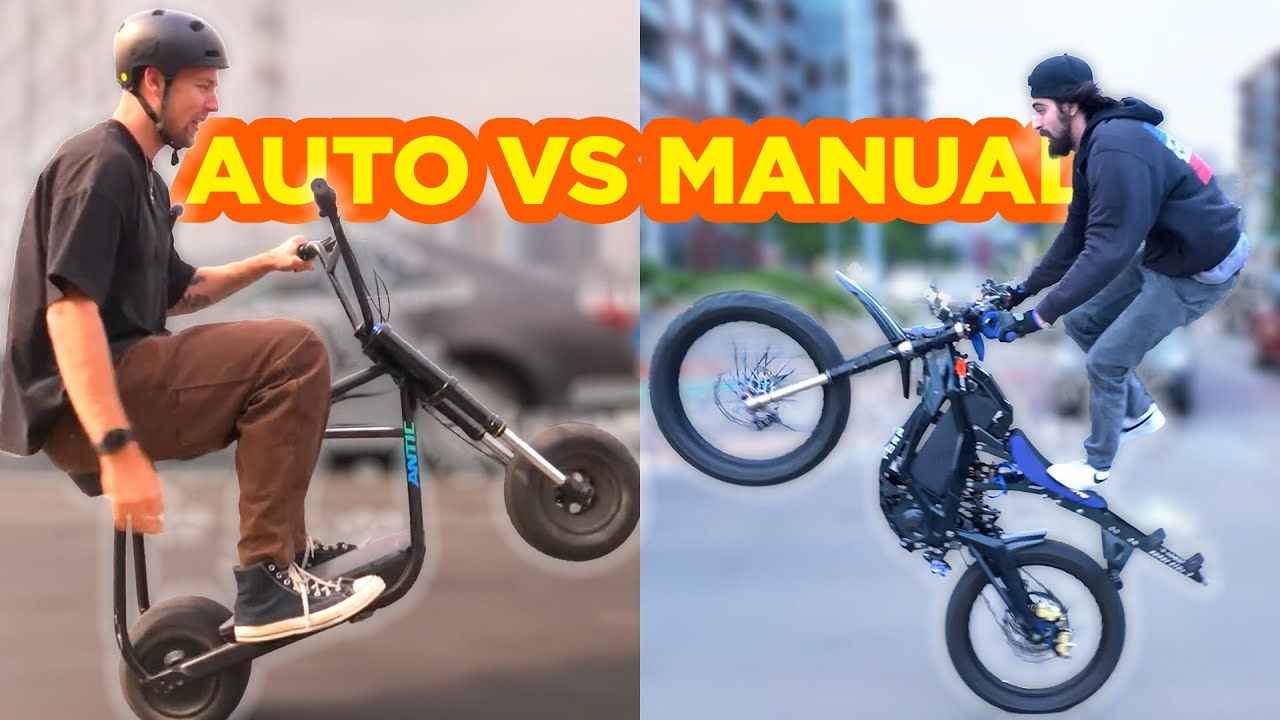
Auto Wheelie Electric Bikes: Are They Helping or Hurting Riding Skills?
January 19, 2026
Some links in this article may be affiliate links. If you buy through them, we may earn a small commission at no extra cost to you.
Auto wheelie tech is starting to pop up everywhere in the e-moto and high-power e-bike world—bikes and controllers that can bring the front wheel up and help keep it there. Some riders see it as the fastest on-ramp to balance and confidence. Others see it as a shortcut that changes the culture of riding.
Read more: Torp Motors (use promo code RunPlayBack5 for a discount) and Powerful Lithium 72v 50ah R-Spec Elite Pro Battery (use promo code RUNPLAYBACK for a discount)
Read more: Torp Motors (use promo code RunPlayBack5 for a discount) and Powerful Lithium 72v 50ah R-Spec Elite Pro Battery (use promo code RUNPLAYBACK for a discount)
After spending time around this trend and digging into how these systems behave on real rides, I’ve landed somewhere in the middle: auto wheelie can be a legit training tool and a blast, but it can also create habits that don’t transfer when the assist is gone.
How auto wheelie feels in the real world
The first thing you notice is how different the initial lift is compared to learning naturally.
When you learn wheelies the old-fashioned way, you’re constantly juggling throttle, body position, rear brake, and that internal “oh no” meter. Auto wheelie changes the rhythm. The bike wants to help you find a zone—less panic, less guessing, and less immediate punishment for being a little sloppy.
That’s the upside: it lowers the barrier to entry.
The downside is subtle: if the system is doing the heavy lifting at the exact moment you’d normally learn the most (the lift and the first corrections), you can end up riding the assist instead of riding the bike.
Controllers and modes: where the magic usually lives
A lot of the auto wheelie conversation centers on controllers and tuning—not just the bike itself.
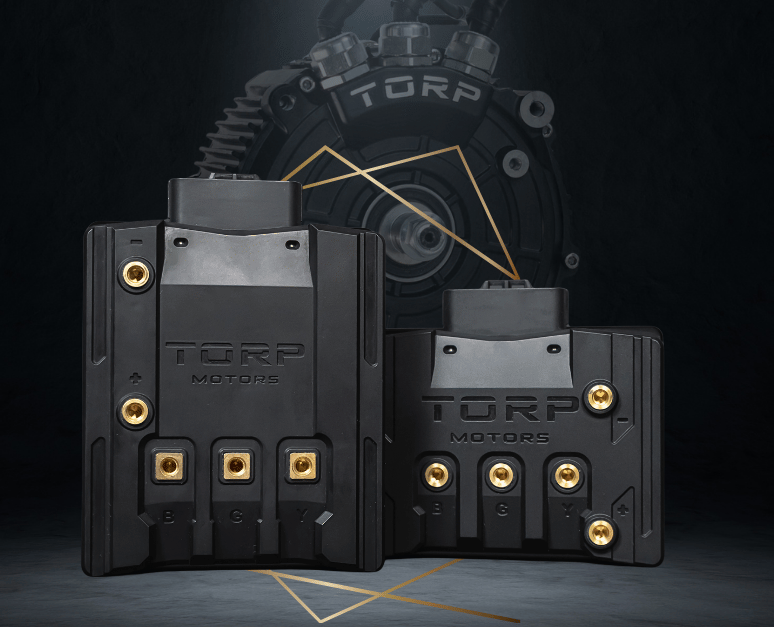
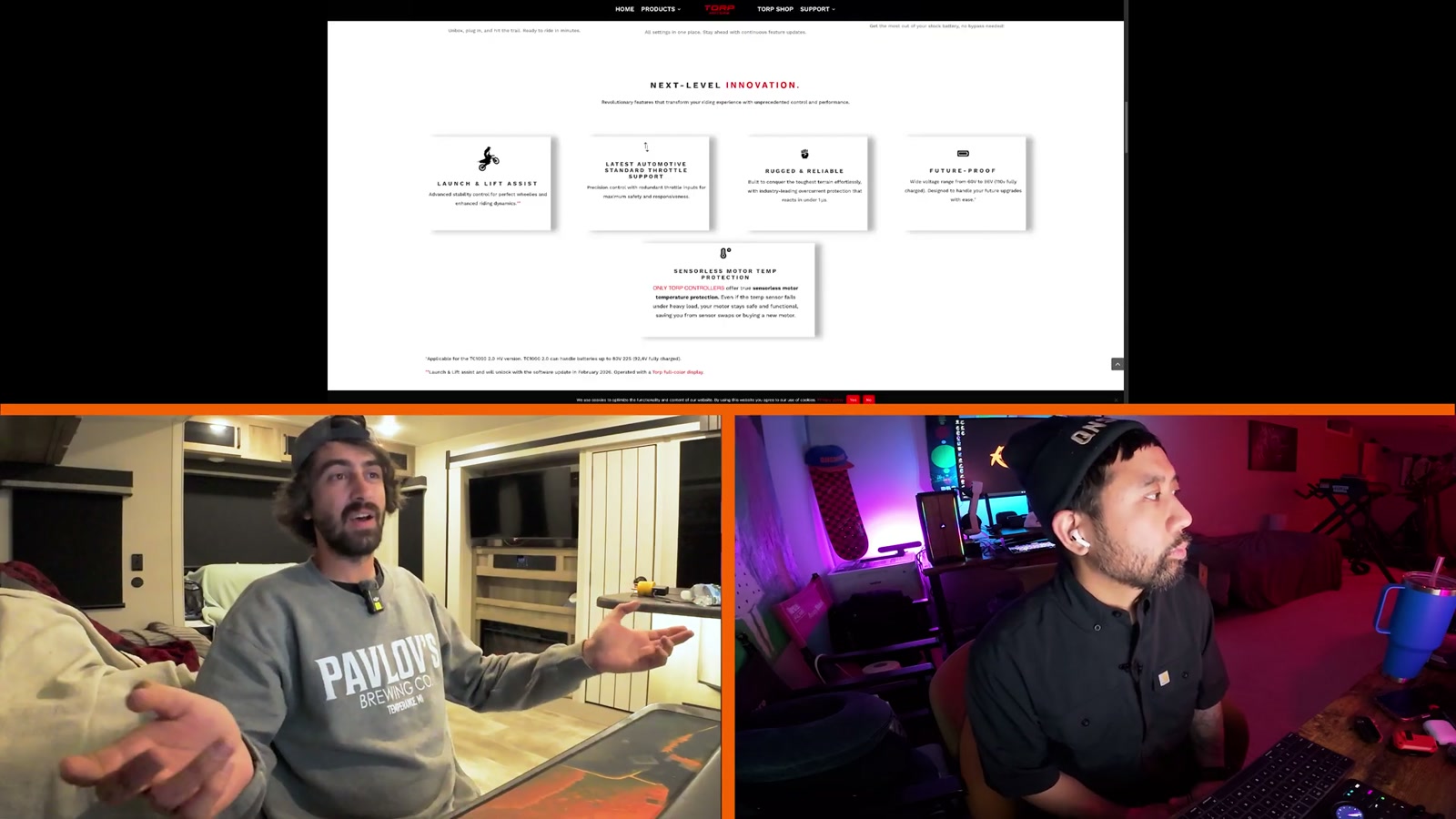
On the controller side of the world, systems like the Moxin controller and Torp’s TC1000 2.0 represent what many riders actually mean when they say “auto wheelie.” It’s not always a separate mechanical feature. It’s software behavior: power delivery, ramp rates, and how the bike responds once the front end gets light.
In practice, the “auto wheelie” feeling usually comes from some combination of:
A predictable hit of torque that makes lift repeatable
A smoother ramp that keeps the bike from snapping past the balance point
A controlled power curve that helps you stay up without frantic corrections
Even when it’s not marketed as a full self-balancing stunt system, the end result can still feel like the bike is coaching you into a wheelie.
Auto wheelie bikes: fun, accessible, and controversial
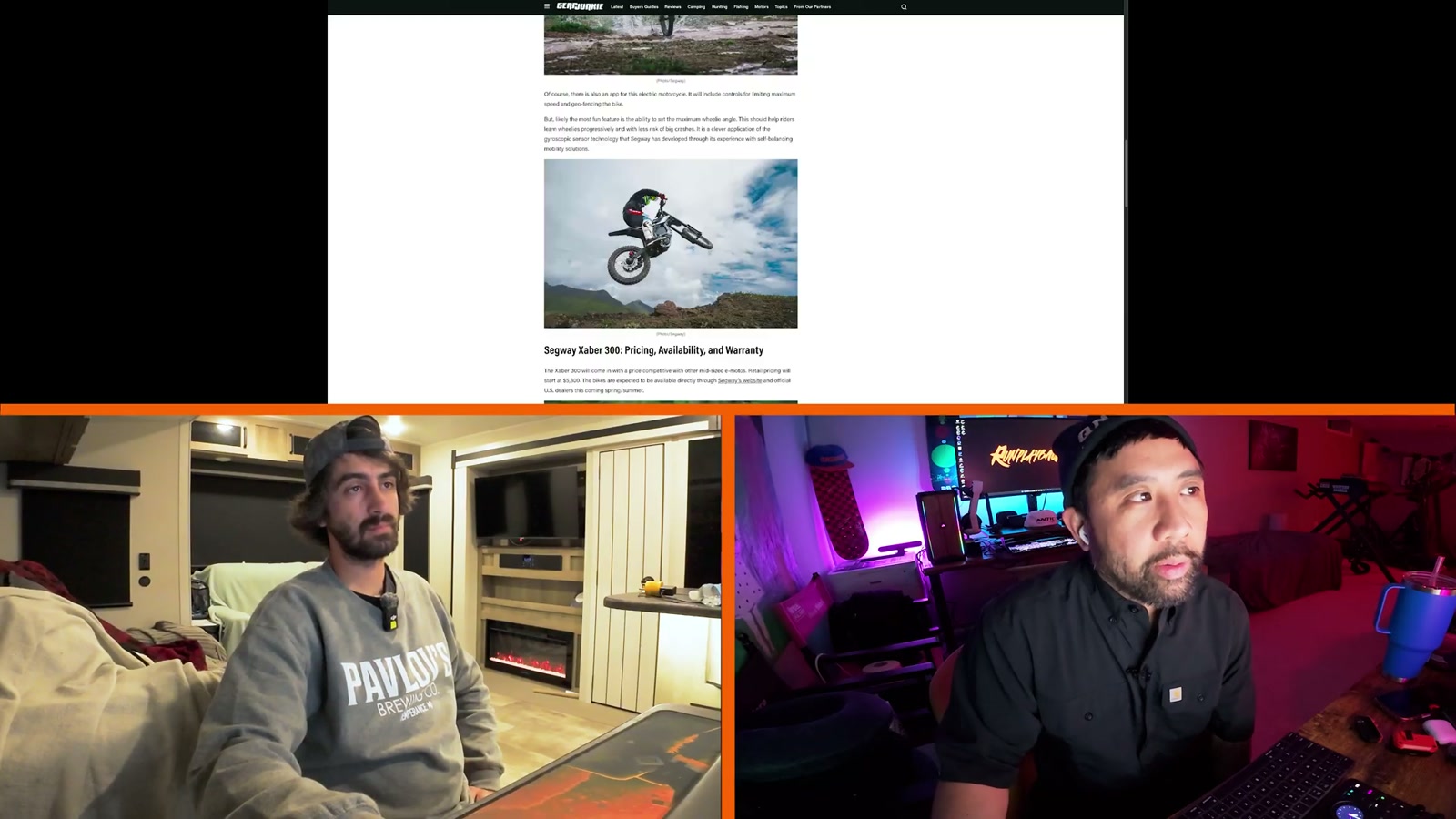
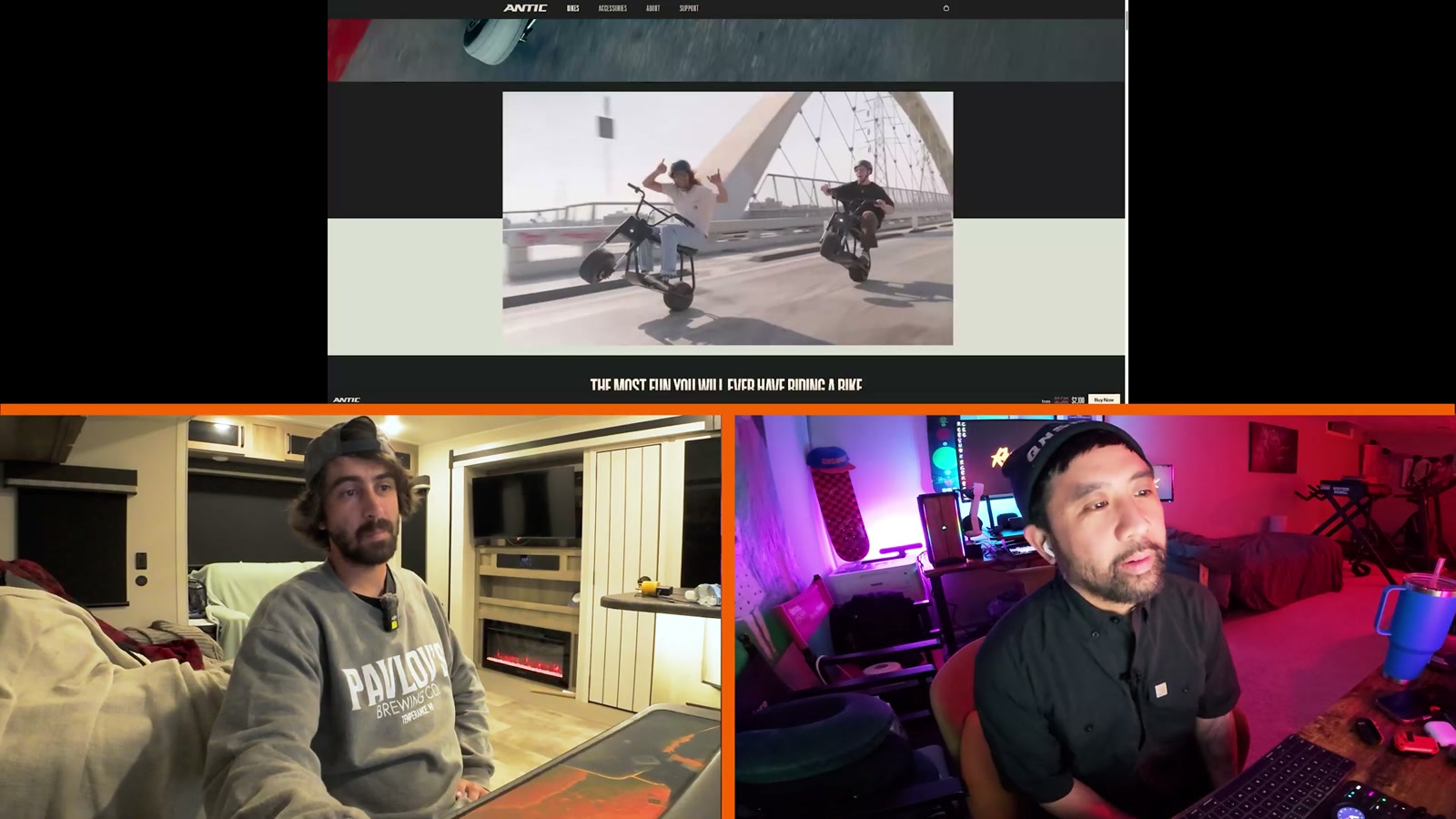
On the bike side, models that get talked about a lot in this space include things like the Segway Xaber 300, Antic, and the Wheelie Fun Bike.
What’s interesting is how this tech reshapes who can participate.
With enough assist, a rider who’s never held a wheelie can experience that “floating” moment quickly. That’s powerful. For some people, that moment is the hook that gets them riding more, practicing more, and eventually learning the real control skills.
But there’s a flip side: if the bike keeps saving you from consequences, you may not build the instincts that actually keep you safe—especially rear brake discipline. The rear brake is the great equalizer in wheelies. It’s also the first thing that gets neglected when tech steps in to smooth everything out.
Does it help you learn—or does it replace learning?
Here’s how I look at it after spending time around these setups.
Auto wheelie helps if you treat it like training wheels:
You use it to get comfortable with the feeling of balance
You practice consistent body position and relaxed arms
You still drill rear brake reflexes
You gradually reduce assistance (or switch it off) as you improve
Auto wheelie hurts if you treat it like the end goal:
You chase the longest wheelie with the least personal control
You never develop that “brake before panic” muscle memory
You become dependent on a specific mode/controller behavior
You get confident faster than your fundamentals actually support
I don’t think the tech is inherently bad. I think the intention matters. If your goal is to stunt and you care about skill, you still have to put the reps in.
What it means for riding culture
This is the part that’s hard to quantify but easy to feel.
Wheelies have always been a mix of progression, style, and community. When a system can “do the trick for you,” it changes what people celebrate. Is it about mastery, or is it about the spectacle?
I’m not here to gatekeep. If auto wheelie gets more people outside riding and having fun, that’s a win. But I also respect why skilled riders push back. There’s a real craft to controlled wheelies, and it’s worth preserving.
The best outcome is a culture where:
New riders use assist to get started safely
Experienced riders keep pushing real control and style
Everyone is honest about what the bike is doing versus what the rider is doing
Practical advice if you’re tempted by auto wheelie
If you’re shopping for a bike/controller combo with auto wheelie features or wheelie-friendly tuning, here’s what I’d do:
1) Prioritize rear brake practice
Even with assist, make “cover the brake” non-negotiable. Tap drills save bikes and bodies.
2) Don’t chase max assist forever
If your setup allows adjustment, start higher to build comfort, then slowly reduce the help.
3) Test it in a safe space
Empty lots, open areas, no traffic. Auto wheelie still involves unpredictable moments.
4) Remember that consistency beats intensity
Ten controlled, repeatable lifts are more valuable than one sketchy moon shot.
What We Like
Lowers the barrier for riders who want to feel a wheelie without months of frustration
Can build confidence and encourage more practice time
Controller tuning can make power delivery smoother and more predictable
Opens up a new category of “fun-first” riding experiences
Things To Consider
It can delay learning core fundamentals like rear brake discipline
Some riders may become dependent on the assist and struggle without it
It can create confusion about skill versus software
It may shift stunt culture toward spectacle over mastery (depending on how it’s used)
Final Thoughts
Auto wheelie isn’t automatically helping or hurting riding skills—it’s a tool that amplifies whatever approach you bring to it.
If you use it to learn the feel of balance, then wean yourself toward doing it unassisted, it can speed up progression and keep things safer early on. If you use it as a replacement for fundamentals, it can build confidence faster than control—and that’s where problems start.
For me, the best version of this tech is the one that gets you riding more, practicing smarter, and eventually turning the assistance down because you don’t need it anymore.