
Detroit Moped Works: Where Vintage Mopeds and Ebikes Actually Co-Exist
June 27, 2022
Some links in this article may be affiliate links. If you buy through them, we may earn a small commission at no extra cost to you.
Detroit has a special kind of two-wheel energy. Wide roads, lots of alternative routes, and a city layout that feels like it was built for way more people than live here today. It’s the kind of place where a small, fun, practical ride makes sense—whether that’s a smoky old two-stroke moped or a modern electric bike that just… works.
Read more: Detroit Moped Works and ChiBatterySystems Rebel Touring or Rebel Max
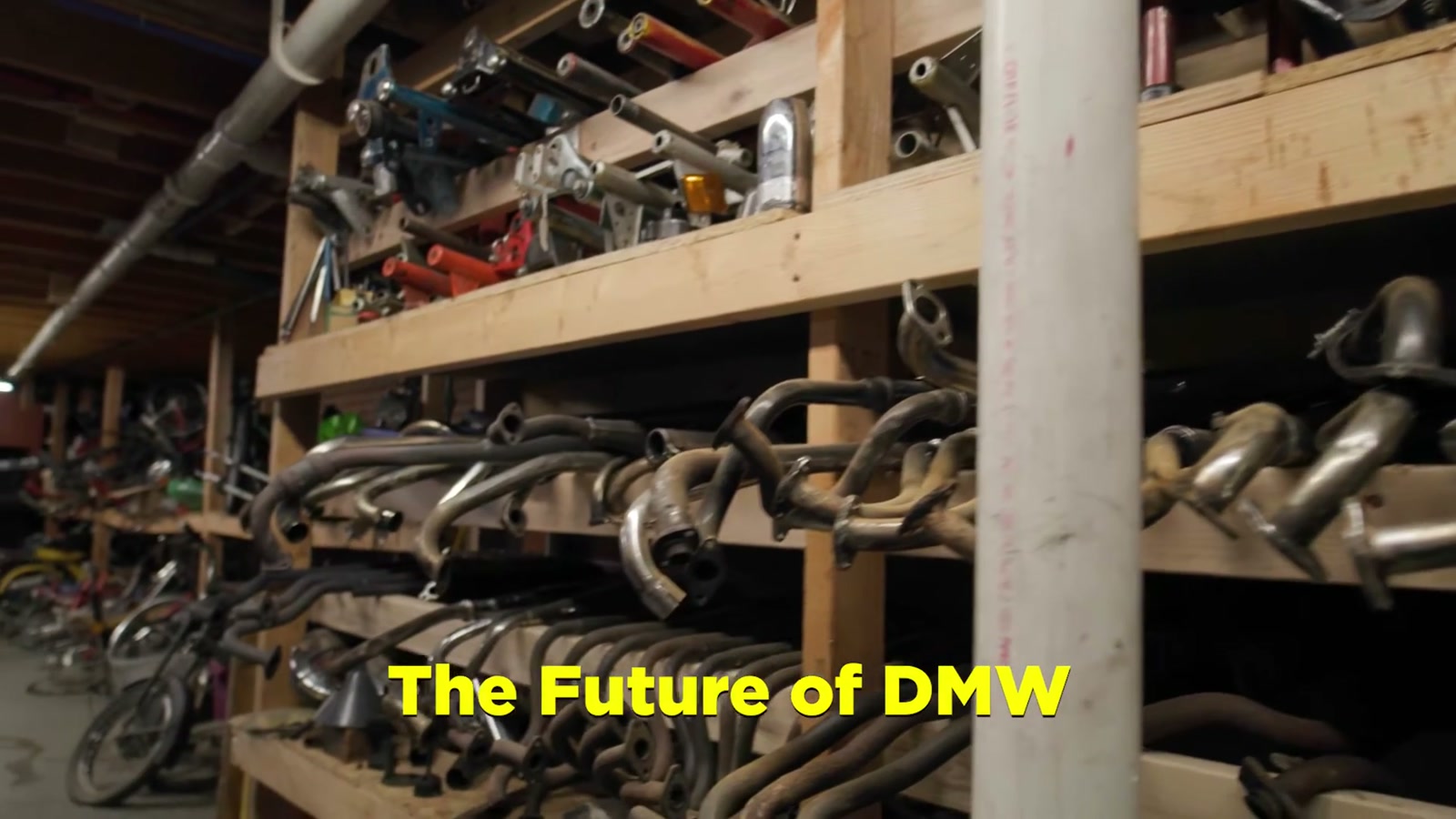
I went to Detroit Moped Works (DMW) in Southwest Detroit to spend time in their shop, talk with the crew, and get a feel for how a vintage-first moped store can genuinely embrace ebike culture without losing its soul.
First impression: this is a real-deal moped shop
DMW doesn’t feel like a lifestyle boutique that happens to sell a couple bikes. It feels like a place where people wrench, ride, break things, fix things, and come back with friends.
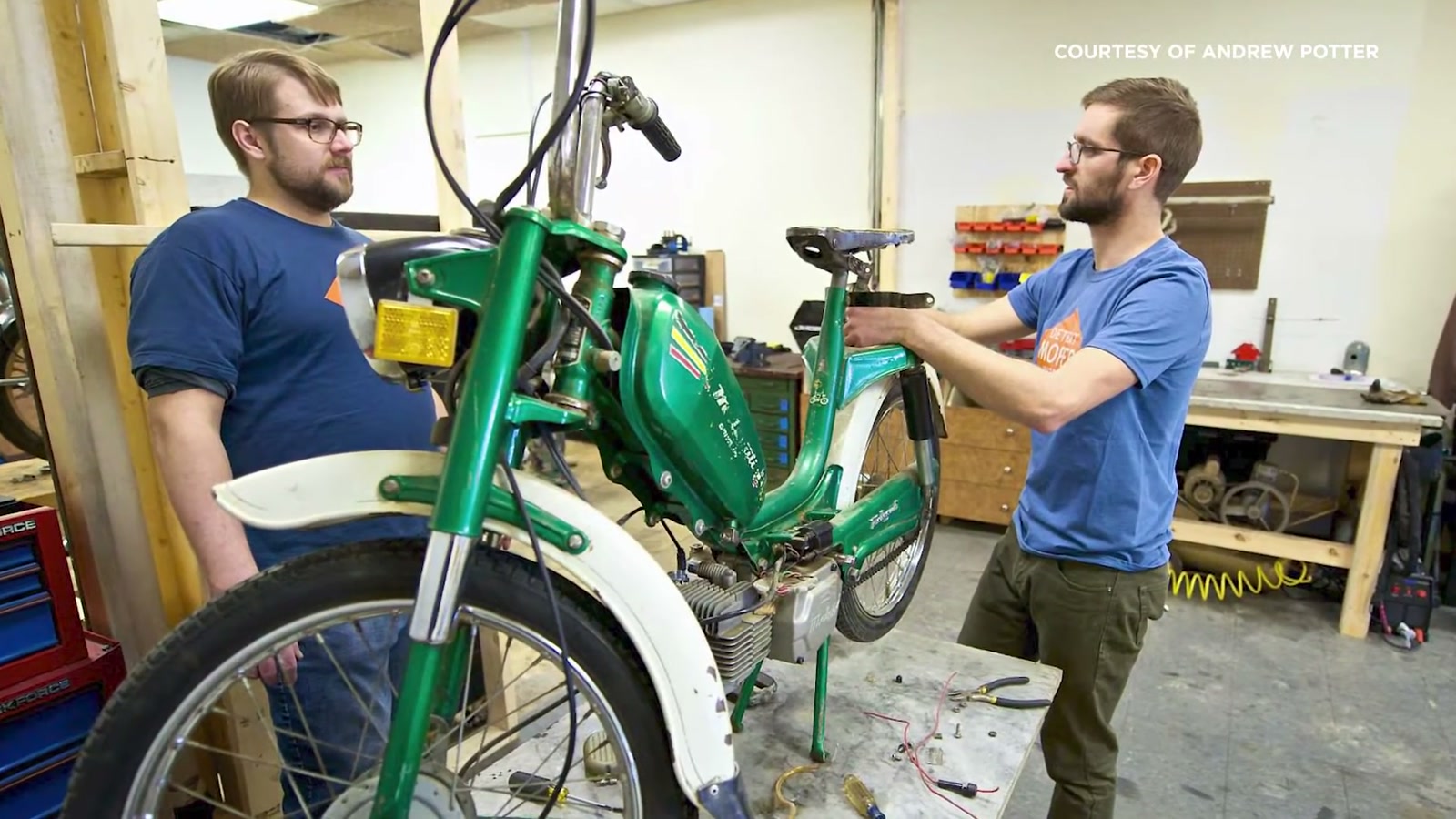
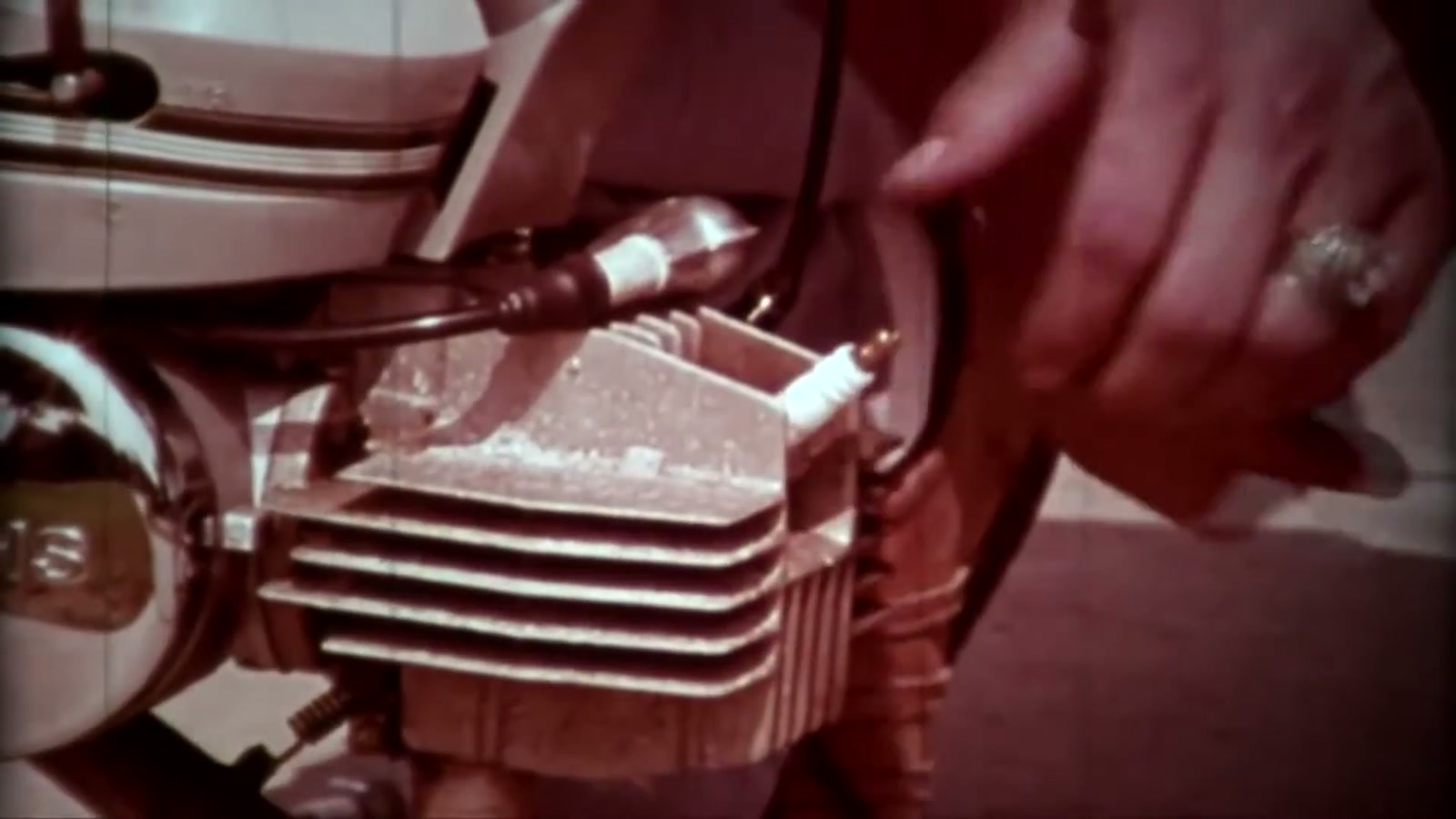
The shop’s roots are deep in vintage mopeds—those “toy motorcycles” that were originally sold with the expectation you’d be your own mechanic. That history matters because it shapes the entire conversation around reliability, expectations, and what kind of rider you are.
If you’re here because you want a vehicle and freedom, you’ll think about things differently than if you’re here because you want a hobby.
Riding Detroit: why two wheels fit this city
What stood out to me is how Detroit’s layout supports two-wheel life. Major roads can run fast (think 35–50 mph depending on traffic), but there’s often another parallel street nearby that’s calmer, emptier, and honestly more fun. That “choose your own route” vibe makes mopeds and ebikes feel less like a compromise and more like the smart play.
And the other reality: public transportation here isn’t the solution for most people. If you’re trying to live without a car (or just drive less), two wheels can be the gap-filler.
Moped culture is a hobby (and that’s the point)
Vintage mopeds look cool, sound cool, and bring people together. There’s nothing quite like a group ride where a pack of old machines rolls through the city making noise and turning heads.
But the ownership experience is the trade.
A vintage moped is a relationship. Let it sit a couple weeks and it might not be thrilled about it. Long rides can shake things loose. Small fixes become part of the rhythm.
If you want the culture, the DIY, and the story—vintage mopeds deliver. If you want to turn a key (or press a button) and go every time, you’re probably shopping for a different experience.
Ebikes: the appeal is that they simply work
Here’s the most honest way I can put it: the best thing about ebikes is usability.
No gas. Less fuss. Lower barrier to riding more often.
At DMW, the ebike approach isn’t anti-moped—it’s practical. For last-mile transportation, quick errands, cruising around town, or just an easy weekend rip, an ebike is hard to argue with.
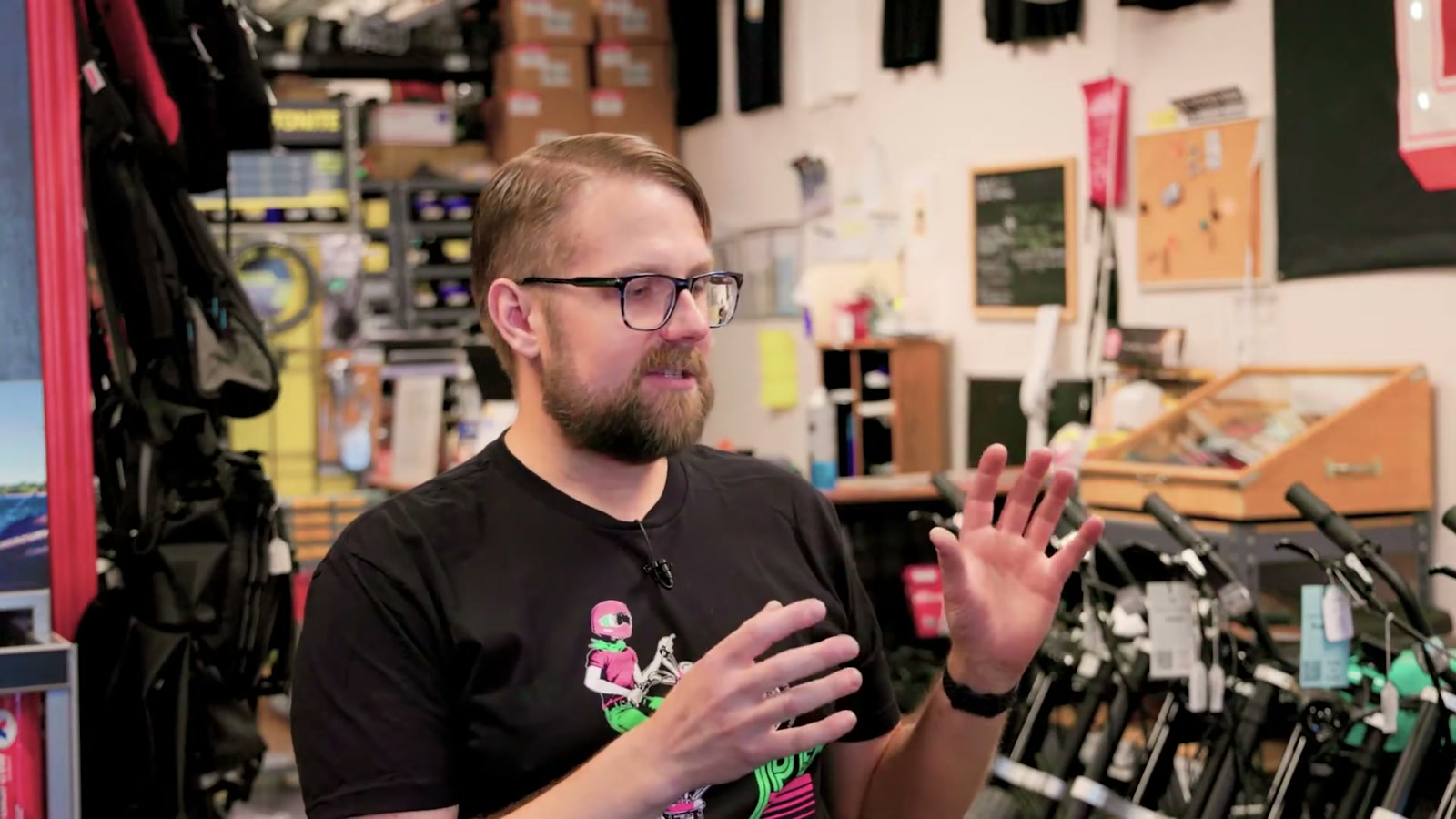
There’s also something I really appreciate about the brick-and-mortar angle: you can actually get a feel for different shapes and styles. People walk in thinking they want one thing, then leave with something totally different once they sit on it, test ride it, and understand what it feels like in real life.
The modding conversation: moped logic still applies
I’m a modder at heart, so of course I wanted to talk about what happens when people start pushing electric bikes beyond how they were engineered.
The take from inside a shop that has to support customers long-term is refreshingly grounded:
Warranty matters. Don’t sabotage it on day one.
After warranty, experimentation makes more sense.
More speed usually means more wear—just like a vintage moped with a bigger carb and cylinder.
That last point is important. Whether it’s gas or electric, pushing performance tends to “consume” something faster: range, components, longevity, peace of mind, or all of the above.
The dealer reality check: support is the whole game
One of the clearest themes I walked away with is this: selling electric bikes through real stores raises the bar.
A shop has to care about comfort, fit, safety, and serviceability for the life of the bike. That’s a different responsibility than shipping a box to someone’s doorstep and hoping for the best.
I also loved the nuance here—some electric bikes borrow heavily from classic moped DNA (components and form factor). That can be awesome because parts and service can be more approachable through a moped shop ecosystem. But it also raises a fair question: when a modern, expensive electric ride leans on old-school moped tech, is that always the right engineering choice, or just a cool aesthetic shortcut?
Either way, it shows why places like DMW matter: they can actually service things, source compatible parts, and keep riders rolling.
Can mopeds and ebikes co-exist?
After time in this shop, the answer feels obvious: yes.
They serve different moods and different riders.
Vintage mopeds are a hobby, a community, a mechanical adventure.
Ebikes are practical freedom, low-friction fun, and a gateway for more people to ride more often.
The healthiest two-wheel scene isn’t one or the other. It’s a place where both exist—and where riders can cross over depending on what they want out of a given day.
What We Like
A vintage moped shop that genuinely welcomes ebikes without pretending they’re the same thing
Detroit is an underrated city for two-wheel exploring thanks to wide roads and alternate routes
Real-world, brick-and-mortar support makes a huge difference for new riders
Honest perspective on modding: protect the warranty first, then experiment later
A community-first vibe that keeps the culture alive
Things To Consider
Vintage mopeds are not “buy it and forget it” transportation; they demand attention
If you want maximum reliability, ebikes are the easier ownership experience
Performance mods (gas or electric) tend to reduce longevity and increase maintenance
Not every electric bike is designed with long-term serviceability in mind—having a local shop helps
Final Thoughts
DMW feels like proof that two-wheel culture doesn’t have to pick sides. You can love the smell and noise of old mopeds and still respect the logic of electric. You can be into wrenching and also want something that starts every time.
For me, the biggest takeaway is how valuable a shop like this is in 2026: it’s not just about buying a ride. It’s about having a place where your questions get answered, your bike gets supported, and you get pulled into a scene that makes you want to ride more.