

Onyx CTY2 Review: The Friendlier, Step-Through Onyx I Actually Want to Ride More Often
June 8, 2022
Some links in this article may be affiliate links. If you buy through them, we may earn a small commission at no extra cost to you.
The Onyx RCR gets most of the spotlight, but the CTY2 is the Onyx that makes more sense for a lot more people.
Read more: Get $100 off your Onyx order with our referral code: RUNPLAYBACK and John Angel
Read more: Get $100 off your Onyx order with our referral code: RUNPLAYBACK and John Angel

I bought the CTY2 with my own money, set it up myself, and put it through the kind of riding I actually do: casual city runs, rougher streets, and a top-speed pull when I had a safe stretch of road.
If you’ve been curious about Onyx but the RCR feels like too much bike (or too much commitment), the CTY2 hits a really interesting middle ground: still fast, still very “moped,” but way easier to live with day to day.
Why the CTY2 exists (and why it matters)
The CTY line originally showed up years ago and then basically disappeared while Onyx focused on the RCR. This new CTY2 feels like Onyx taking the lessons from the RCR community—what people mod, what breaks, what annoys riders—and applying some of it to a step-through design that’s simply more approachable.
Even before I rode it, the vibe was obvious: the CTY2 looks friendlier. It still has that Onyx aesthetic (wood grain battery cover, halo-style lighting, minimalist “electric moped” presence), but it doesn’t scream “small motorcycle” the way an RCR does.
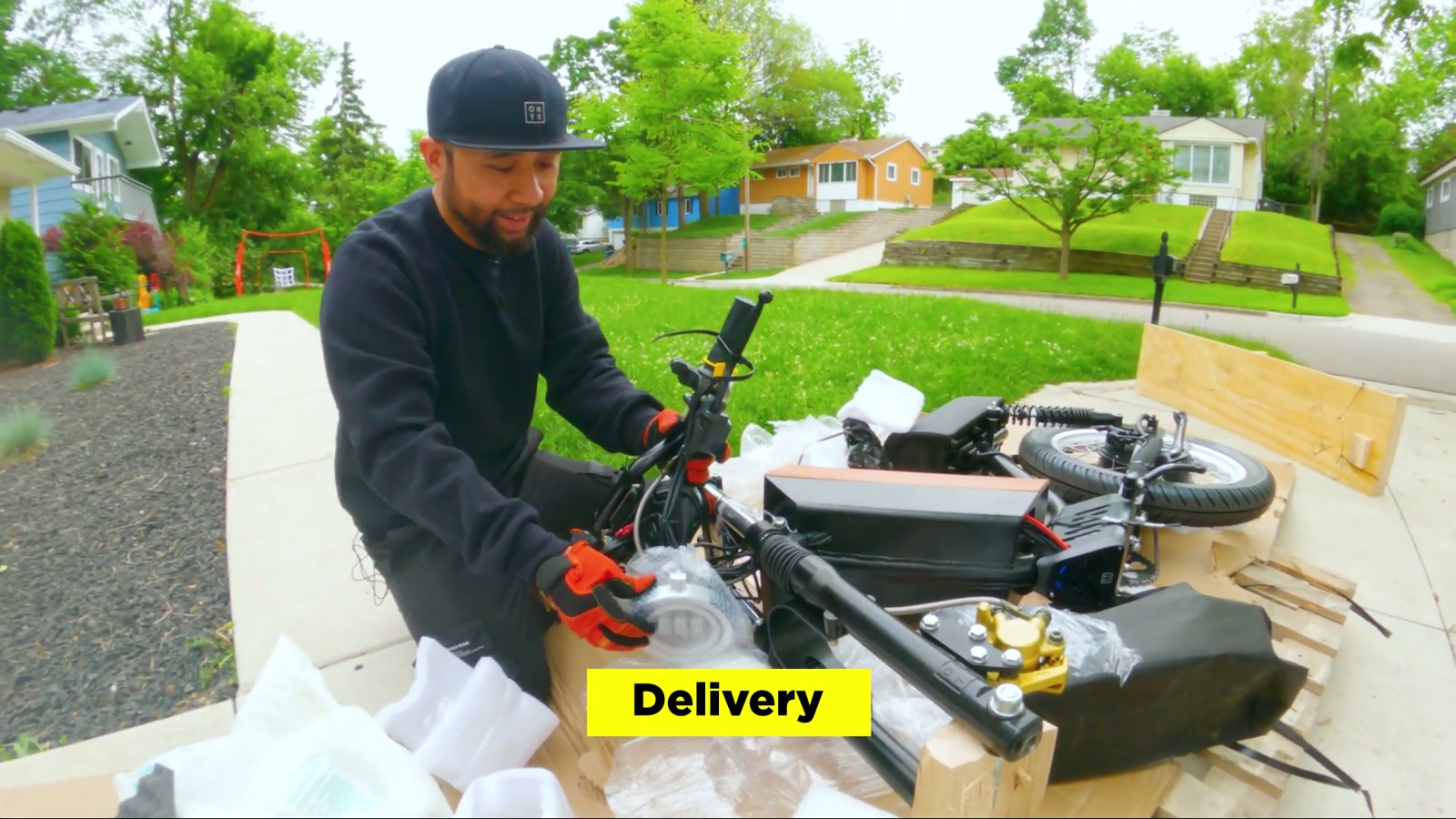
Delivery and unboxing: freight reality check
My CTY2 arrived via FedEx Freight on a pallet. That’s a very different experience from a “bike shop delivery” vibe, and it comes with some practical considerations:
You need space to receive it (driveway/garage makes life easier).
You’ll be dealing with a pallet and packing materials.
Freight shipments can shift around.
My crate wasn’t catastrophic, but it did show signs of movement in transit, and one small piece (a stand) was missing. The bike itself was fine, but it’s a good reminder: if you’re ordering one of these and you live in an apartment with limited space, plan ahead.
Onyx also includes a Certificate of Origin, which is useful if you decide to register it as a moped (depending on where you live).
Assembly: not hard, but not “zero effort” either
Assembly was straightforward: front wheel and handlebars are the main tasks. Nothing about it felt like advanced wrenching, but it’s also not something I’d call plug-and-play if you’ve never touched tools.
If you want fully assembled delivery and white-glove convenience, you might prefer other options. For me, getting the bike sooner and doing a bit of setup was worth it.
Design and practicality: step-through is the whole point
The biggest difference isn’t a spec sheet number—it’s how the bike fits my body and how it feels at stops.
The step-through frame makes mounting and dismounting effortless. On an RCR, getting on and off is more “swing a leg over and commit.” On the CTY2, I can just step through. That sounds small until you’re stopping a lot in the city, or you’re wearing everyday clothes, or you’re simply not trying to wrestle a heavy bike at every red light.
A few design details stood out immediately:
Open frame (no big side panels): it feels more bicycle-like between the legs, and I don’t get that “sail effect” in wind.
Lower, more locked-in feel: the bike feels planted and easy to balance at low speeds.
Knee comfort and control: I can bring my knees closer in and hug the bike more naturally than on the RCR.
It still draws attention. A lot of it. People will ask if it’s a motorcycle, if it’s an e-bike, what brand it is, how fast it goes—the usual.
Small improvements I wish the RCR had from day one
A couple updates felt like Onyx quietly fixing pain points:
Turning clearance: the fork/frame clearance is improved compared to the RCR’s known “turn and smack” issue. I’d still consider adding bump stops for long-term protection, but it’s better out of the box.
Turn signals included: front and rear indicators come standard, and the rear units are compact and stealthy.
Charging port placement: it’s located on the bottom of the frame, which is cleaner and more convenient than having a port dangling off the side.
Battery straps: the strap approach is upgraded from the older mini-buckle style.
One notable omission: no front fender. If you ride in real weather or on dirty streets, you’ll probably want to add one.
Getting it ready: Sport Mode and charging quirks
Two setup moments caught me off guard because they’re not obvious if you’re new to this platform.
Enabling Sport Mode
On my CTY2, Sport Mode wasn’t active until I connected a green wire under the battery area. Once connected, the display cycled properly through Eco, Normal, and Sport.
I actually like this. It’s a simple “are you sure?” gate that prevents a brand-new rider from accidentally jumping from mellow riding to nearly 50 mph capability.
Charging behavior
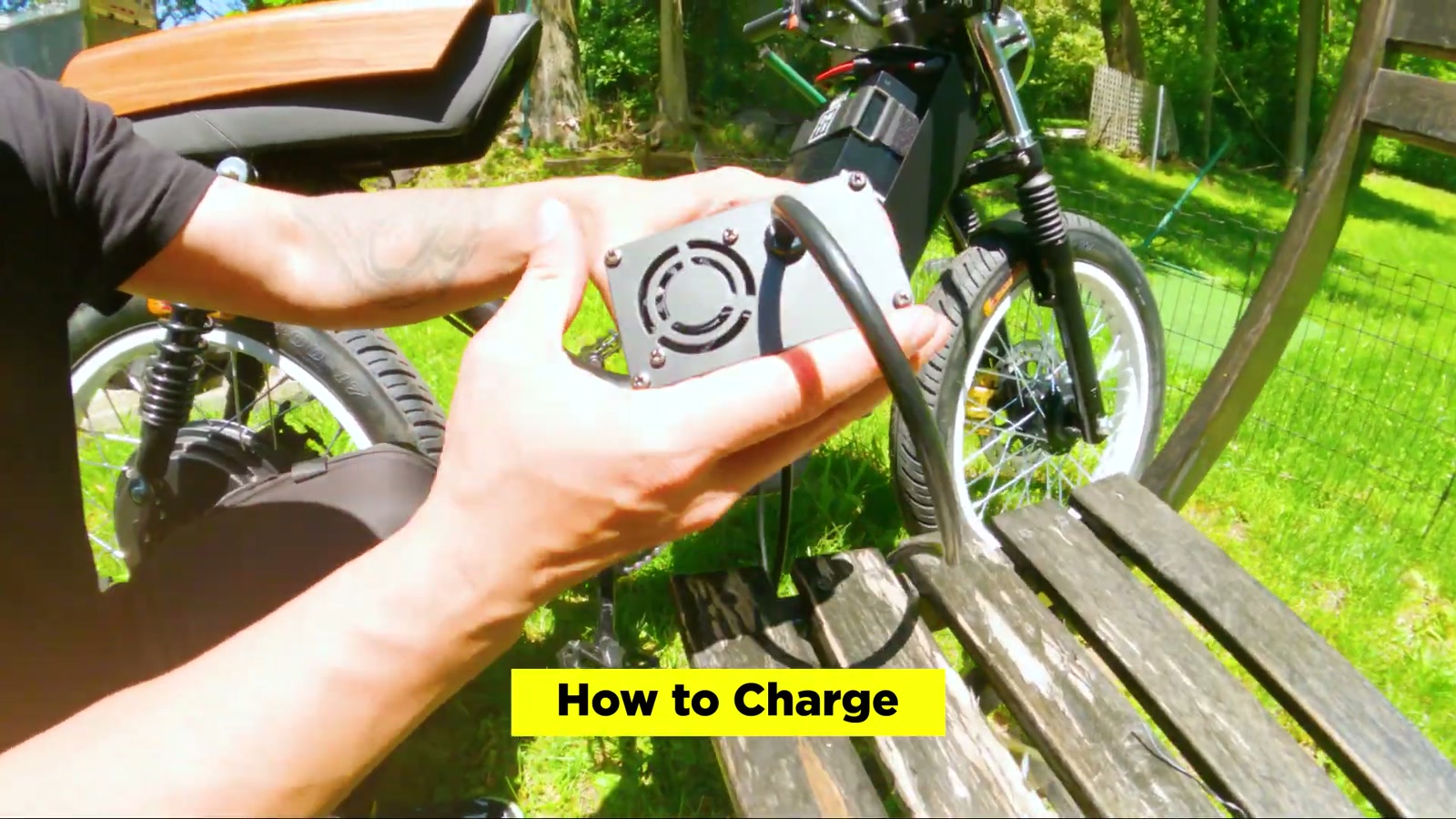
The charger behavior also took a second to understand: plugging in isn’t always enough—on my bike I had to twist the connector to engage charging. Once engaged, the charger indicator changed as expected.
If you’re the type who wants super polished documentation and a guided onboarding experience, this is one of those areas where you’ll want to be patient.
Real-world ride impressions: Eco, Normal, and Sport feel like three different bikes
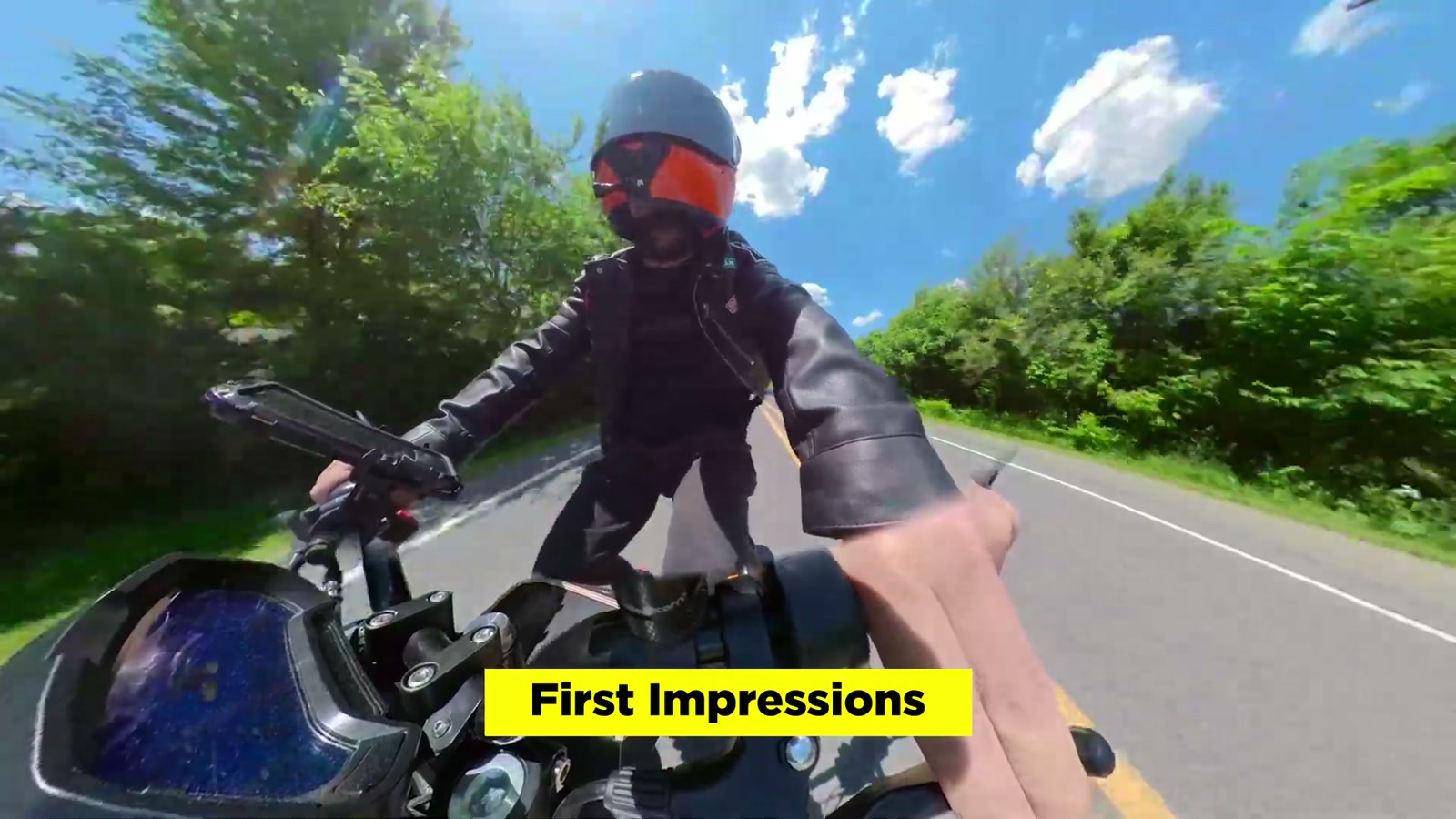
I rode the CTY2 the way I’d actually use it: starting in Eco, moving through Normal, and then opening it up in Sport.
Eco Mode: calm and city-friendly
Eco is the mode I’d use on bike paths or in situations where I’m intentionally trying to keep things chill. It felt capped around the high-teens/near-20 mph range in my riding, and uphill it behaved predictably—no drama.
It’s not exciting, but it’s the kind of mode that makes the CTY2 feel more accessible.
Normal Mode: smooth, but conservative
Normal gives you more speed, but the bigger thing I noticed was throttle character. The ramp-up is smooth and controlled, not abrupt. If you’re coming from something with a more aggressive hit, it can feel like the bike is holding back.
There’s a big gap between Normal and Sport on this bike, and Normal feels intentionally restrained.
Sport Mode: the Onyx personality shows up
Sport is where the CTY2 stops feeling like a “tame step-through” and starts feeling like an Onyx.
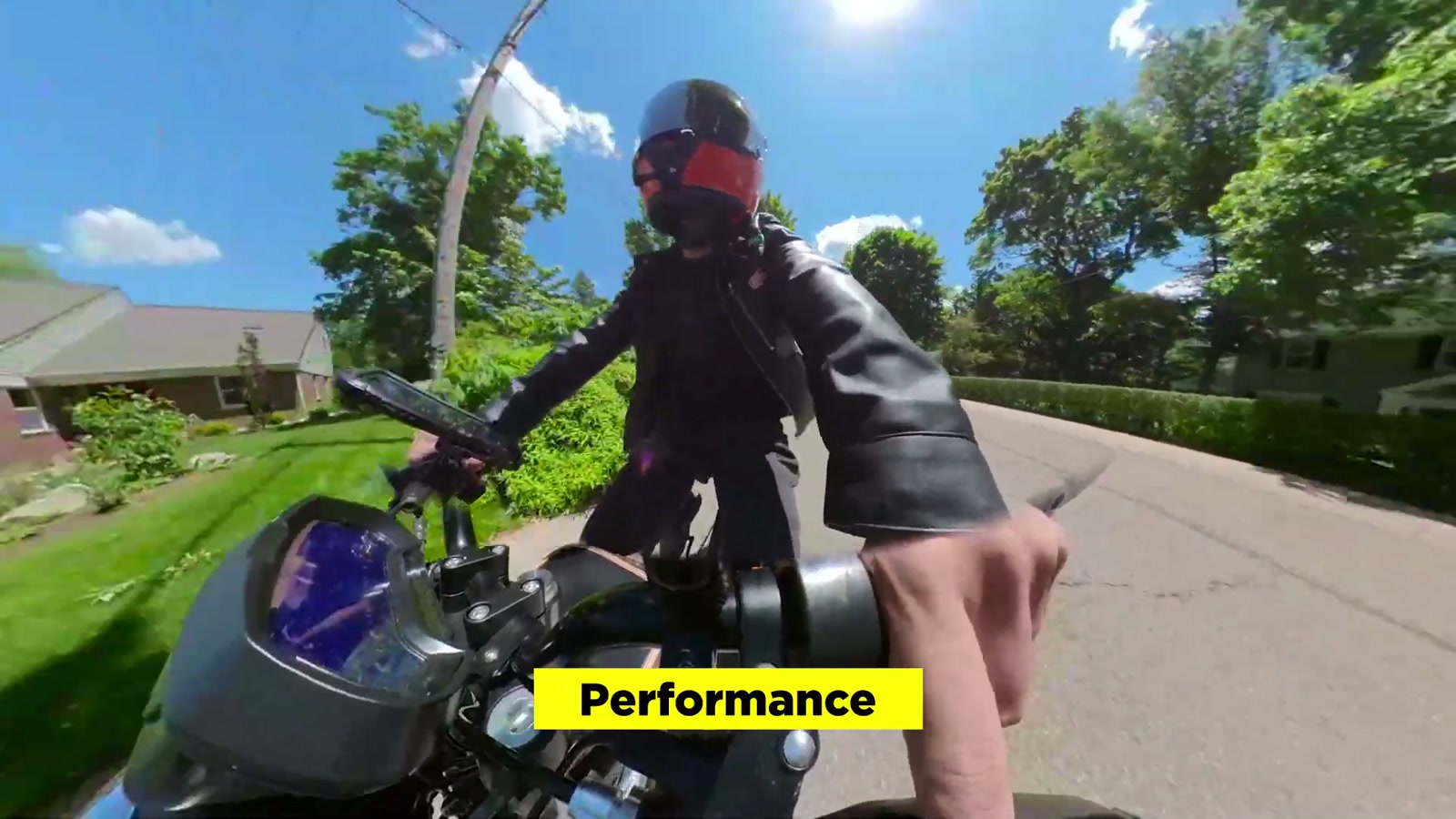
Acceleration builds quickly, and it finally delivers that familiar Onyx thrill. It still doesn’t have the same punch as a higher-voltage setup, but it’s absolutely fast enough for real traffic flow on 35–40 mph roads.
The jump from Normal to Sport is serious. That’s great when you want it, but it’s also why I consider Sport something you should work up to.
Top speed test: what I actually saw
On a safe, open stretch, I did a top speed pull and hit 48 mph on the display.
Onyx advertises around 45 mph, so seeing 48 was a nice surprise. For this style of bike, that’s plenty. Past that point, I’m not sure I’d want much more speed on the CTY2’s step-through form factor anyway.
Comfort and road feel: smooth roads good, rough roads remind you it’s 140-ish pounds
On smoother pavement, the CTY2 feels stable and maneuverable, and the lower center of gravity helps me feel more “in” the bike instead of perched on it.
On rough terrain, the weight makes itself known. The suspension takes the edge off, but if the road gets truly jarring I naturally found myself standing a bit to let my legs absorb impacts.
This isn’t a featherweight e-bike. It’s an electric moped-style machine, and it rides like one.
Where the CTY2 fits (especially if you already own other e-rides)
The CTY2 makes a lot of sense as the “everyday Onyx.”
I like having something that sits between a small, casual e-bike and a full-send machine. The CTY2 feels less like overkill than an RCR for certain rides—errands, relaxed cruising, shorter hops—while still giving me a real high-speed option when I need it.
And because it’s step-through, it’s simply easier to live with. That matters more than people think.
What We Like
Step-through frame makes mounting, stopping, and everyday riding way easier
Sport Mode delivers legit Onyx speed and excitement
More natural knee position and “hug” on the bike thanks to the open middle
Improved turning clearance compared to common RCR fork/frame issues
Turn signals included out of the box
Charging port placement is clean and convenient
Still has that signature Onyx look, but with a more stealth “e-bike” silhouette
Things To Consider
You need space (and a little patience) for freight delivery and assembly
Documentation/setup guidance isn’t as polished as mainstream e-bike brands
Eco and Normal can feel too limited, and the jump to Sport is huge
It’s still heavy and powerful enough that new riders should respect it
It draws attention everywhere—if you want to blend in, this isn’t that
Pedals are technically there, but practically not the reason to buy this bike
No front fender included, so wet/dirty streets may push you toward a quick mod
Final Thoughts
The CTY2 feels like Onyx taking the intensity of the RCR and shaping it into something more approachable without losing the core fun.
I’d recommend the CTY2 to anyone who loves the moped vibe, wants real speed on tap, but doesn’t want a bike that feels like a constant adrenaline decision. The step-through design isn’t just a style choice—it changes the entire ownership experience.
If you’re comfortable with a little DIY, willing to learn your way around a few quirks, and you want an electric moped that actually feels special to ride, the CTY2 lands as a solid pick.