

Onyx RCR 80V: First Ride Impressions of the Cult Classic’s Next Chapter
October 13, 2025
Some links in this article may be affiliate links. If you buy through them, we may earn a small commission at no extra cost to you.
The Onyx RCR has always been one of those e-moto-style bikes that lives in its own lane. It’s not trying to be a bicycle, and it’s not pretending to be a full motorcycle either. It’s this cult-classic, moped-meets-future-funk machine that people personalize, keep for years, and pass around the community.

I finally got saddle time on the production Onyx RCR 80V, and the big headline isn’t just “more volts.” It’s the way this new setup rides. The whole experience feels more polished, more maneuverable, and way more dialed than the older RCR generations I’ve spent time on.
A quick vibe check: this is still an RCR
If you’ve never ridden one, an RCR feels unlike most e-bikes immediately.
You sit into it, not on top of it.
Your feet live on pedals, but the pedals are more about stance, balance, and body positioning than “pedal assist.”
The silhouette, posture, and presence are unmistakably Onyx.
What surprised me is how familiar the vibe is while still feeling noticeably refined the moment you start rolling.
Throttle tune: smoother, calmer, and more confident
The first thing I noticed was the throttle ramp. It’s just… smooth. Like “why doesn’t everything feel like this?” smooth.
In Eco, the bike still has plenty of torque to get off the line without feeling jerky or sketchy.
In Normal, it pulls harder but stays controlled, and it’s the mode I’d actually use most for real riding.
In Sport, it wakes up in a big way—torque comes on strong, but it still feels predictable.
There’s also a Hyper mode for full power, and the overall tuning feels more refined than the older RCR setups I remember. The result is that I felt comfortable quickly, even when traffic, intersections, and tighter turns started stacking up.
Handling: the biggest upgrade you feel on day one
This is the part that caught me off guard.
The RCR 80V felt easier to maneuver than my previous experiences on the 72V generation. Turning feels lighter. Leaning into curves feels more natural. At speed, it tracks smoothly. At low speed, it doesn’t fight you.
I don’t care how good the spec sheet looks—if a bike feels awkward in tight city moves, you’ll ride it less. With the 80V bike, I found myself leaning more confidently and carrying smoother lines through curves.
On a fun stretch of road with rolling turns, it just clicked. Braking, leaning, cornering—intuitive and controlled.

Brakes: strong, smooth, and reassuring
Braking feel matters a lot on something that can move like this, and the hydraulic setup inspired confidence right away.
I was able to scrub speed smoothly without drama.
Hard stops felt controlled and stable.
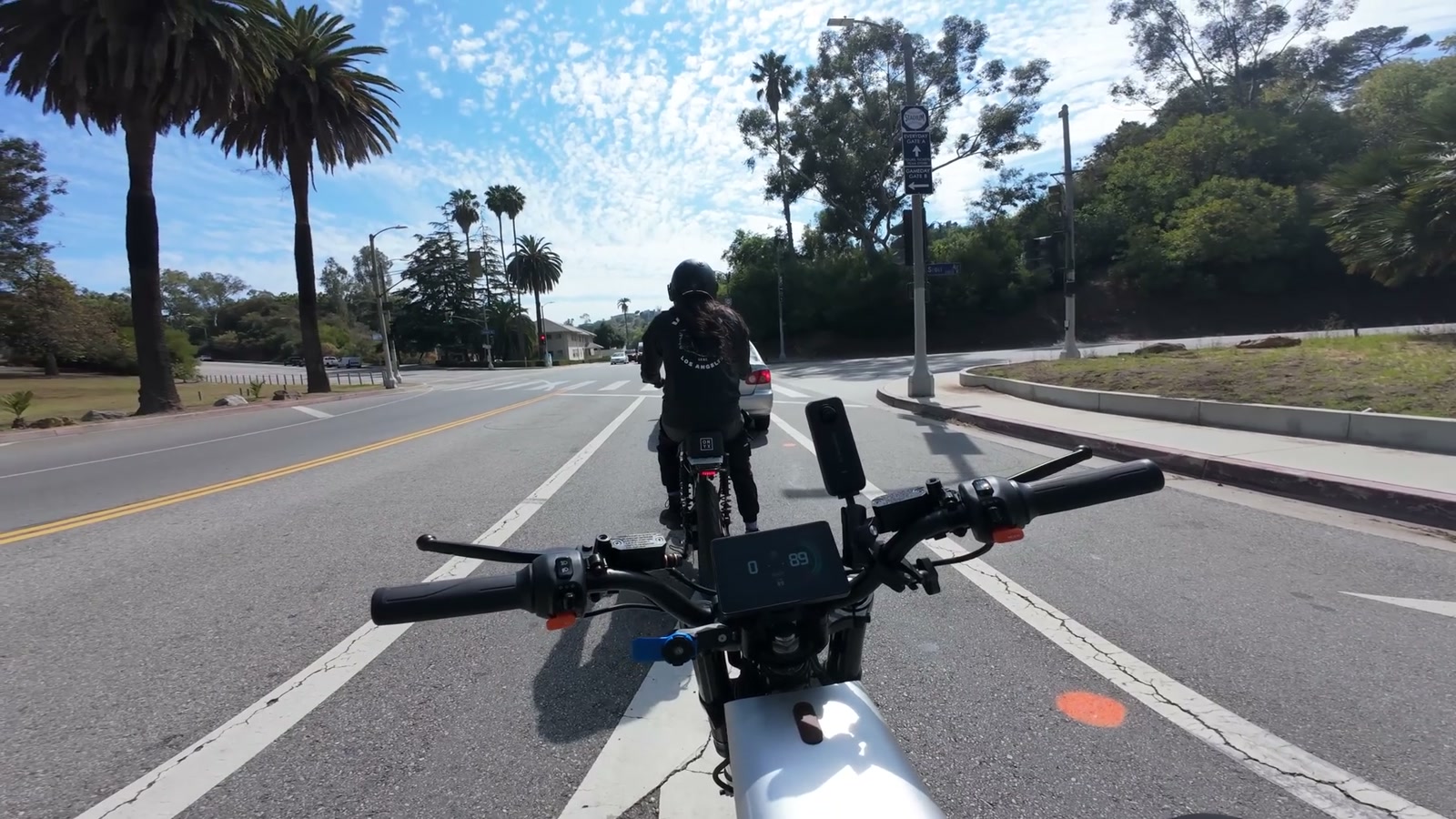
Overall braking performance made me comfortable mixing it up with cars and flowing through real traffic.
Whether you’re commuting or just ripping side streets, that confidence matters.
Comfort and ride feel: surprisingly livable
RCR comfort is always a hot topic because the seating position is unique and the bike invites customization.
Stock seat comfort worked for me better than I expected. I’ve ridden builds with custom seats before, and yes—there’s a deep mod culture here if you want to change the shape, foam, or upholstery. But out of the box, I didn’t feel like the seat was a must-fix.
Suspension also felt composed across imperfect pavement and even some rougher terrain. It stayed comfortable enough that I wasn’t constantly bracing for impacts.
And one small thing: being able to shift foot position on the pedals while cruising actually adds to comfort and control. I found myself adjusting stance depending on whether I was upright and cruising, setting up for turns, or stopping.
Standard height vs. shorter riders (my reality check)
I rode the standard-height bike, and with a roughly 30-inch inseam, I couldn’t flat-foot it.
That said, it was still manageable.
One foot down at stops was fine.
Once rolling, the bike felt stable and easy to place.
But if you’re around my height and you want maximum confidence in stop-and-go city riding, the shorter configuration is probably the move.
The display and controls: modern, but with Onyx personality
The cockpit feels meaningfully upgraded. The interface has that retro-inspired look, but it’s functional and easy to read while riding.
One of the more interesting pieces is the phone connectivity/screen mirroring approach. The practical benefit is you can keep your actual phone put away (safer and less tempting for a grab-and-go theft situation) while still having access to navigation and apps on the bike’s screen.
It’s one of those “EV lifestyle” touches that sounds like a gimmick until you’re in a busy city and realize you’d rather not have your phone mounted out in the open.
Range and speed: what mattered in the real world
I’m not here to bench race this thing on paper. What mattered to me was how it behaved during real riding:
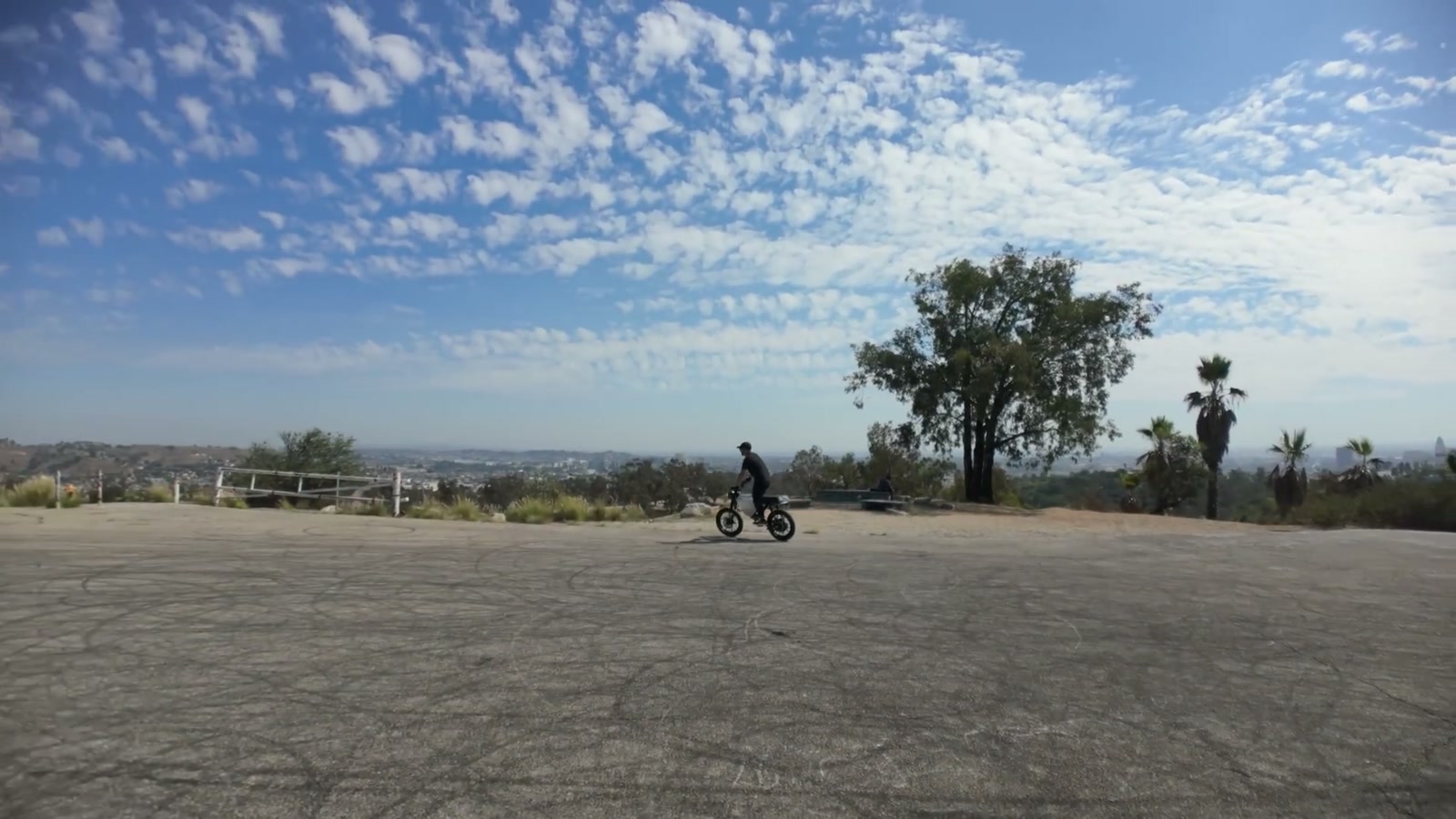
It handled hills without hesitation.
It didn’t feel like it was bogging down when the road tilted up.
Power delivery stayed consistent and usable.
When I had a safe stretch to open it up, it had plenty of speed on tap—more than enough for the kind of mixed urban riding this bike is built for.
Why the RCR still hits in 2026
A lot of brands can build something fast.
The reason the RCR has stayed relevant is that it’s a platform people care about. The community treats these like long-term toys, projects, commuters, and identity pieces all at once. You see it in how people mod them, maintain them, and keep them circulating instead of dumping them.
Riding the 80V production model, I got that same core RCR vibe—just with better manners.
What We Like
Exceptionally smooth throttle tuning that feels controlled across modes
Handling feels more maneuverable and confidence-inspiring than prior generations I’ve ridden
Strong hydraulic braking with a predictable, reassuring feel
Great urban ride character: easy to place in traffic, fun on side streets, comfortable while cruising
Thoughtful cockpit upgrades, including a practical approach to phone integration
Still very “Onyx”: style, stance, and mod-friendly culture intact
Things To Consider
Standard height can be tall for shorter riders; one-foot stops are fine, but it’s not a flat-foot experience for everyone
Pedals are more about stance and control than meaningful pedaling—some riders love that, some won’t
This category of bike demands rider responsibility: it has real power, and it wants real protective gear and smart riding habits
If you’re the type who hates tinkering culture, know that a lot of RCR ownership involves personalization (which is a positive for most people)
Final Thoughts
The Onyx RCR 80V feels like the RCR it’s always been trying to become.
It has that unmistakable cult-classic styling and presence, but now the ride experience feels smoother, more refined, and easier to handle in the real world. The biggest win for me was how quickly I trusted it—especially in corners, in traffic, and during quick speed changes.
If you’ve wanted an RCR but held off because older versions felt a little raw or a little heavy in the way they steered, the 80V production bike finally feels like the version that’s properly dialed.