

Jasion Patrol FarDriver Upgrade Review: The Mod That Finally Makes It Feel Dialed
July 7, 2026
Some links in this article may be affiliate links. If you buy through them, we may earn a small commission at no extra cost to you.
The Jasion Patrol has always been a fun little 52V, dirt-bike-style e-bike—but stock, it never felt like it was fully using what the platform could offer.

After a full controller swap to a FarDriver 72300 (plus a twist throttle, Chaojie display, and a real 12V lighting/turn-signal setup), the Patrol finally rides the way I wanted it to from day one: smoother off the line, more predictable through the power modes, and just generally more “grown up” without turning into an out-of-control e-moto.
This build wasn’t about chasing ridiculous numbers. It was about making the Patrol faster where it matters, easier to live with, and nicer to ride every single time I twist the throttle.
The vibe shift: blacked-out and way cleaner
Before I even got to the performance stuff, the cosmetic changes completely changed how the bike reads in person.
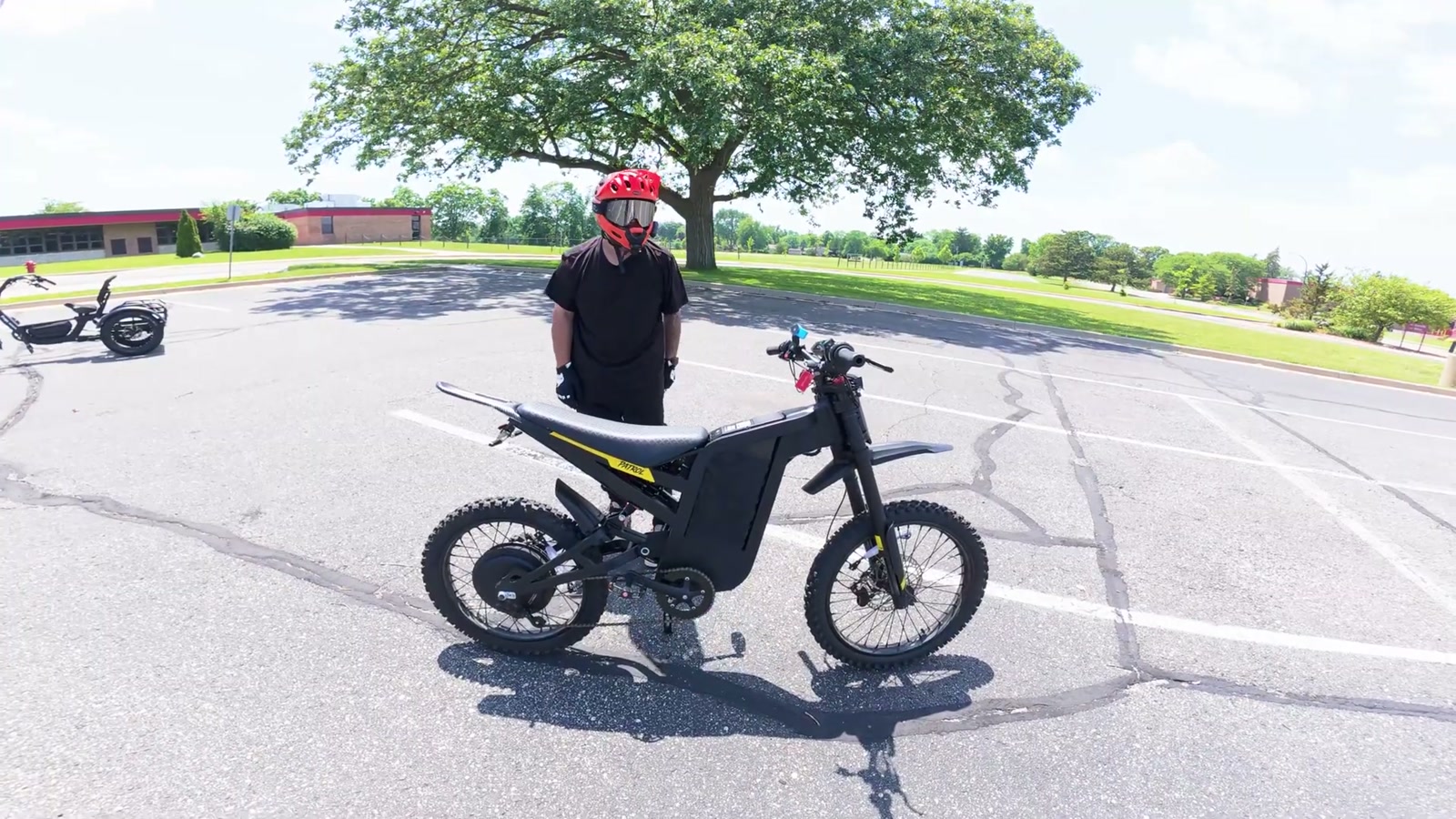
I blacked out the frame to kill the yellow accents, painted the fork guards, and kept the Patrol logo so it still has some identity. The battery got a camo vinyl wrap, and I swapped the number plate and added a simple sticker. None of that makes it ride better—but it absolutely makes it feel like my bike instead of a stock “out of the box” Patrol.
And once you start doing functional upgrades like signals and a proper headlight, the cleaner look actually matters. When everything is routed and mounted nicely, the bike feels intentional instead of hacked together.
The real headline: FarDriver 72300 controller swap
The biggest change by far is the controller. I installed a FarDriver 72300 controller (from Econic Cycles), and it’s the single mod that changed the Patrol’s personality.
The stock controller did the job, but the FarDriver makes the bike feel calibrated.
Fitment and install reality
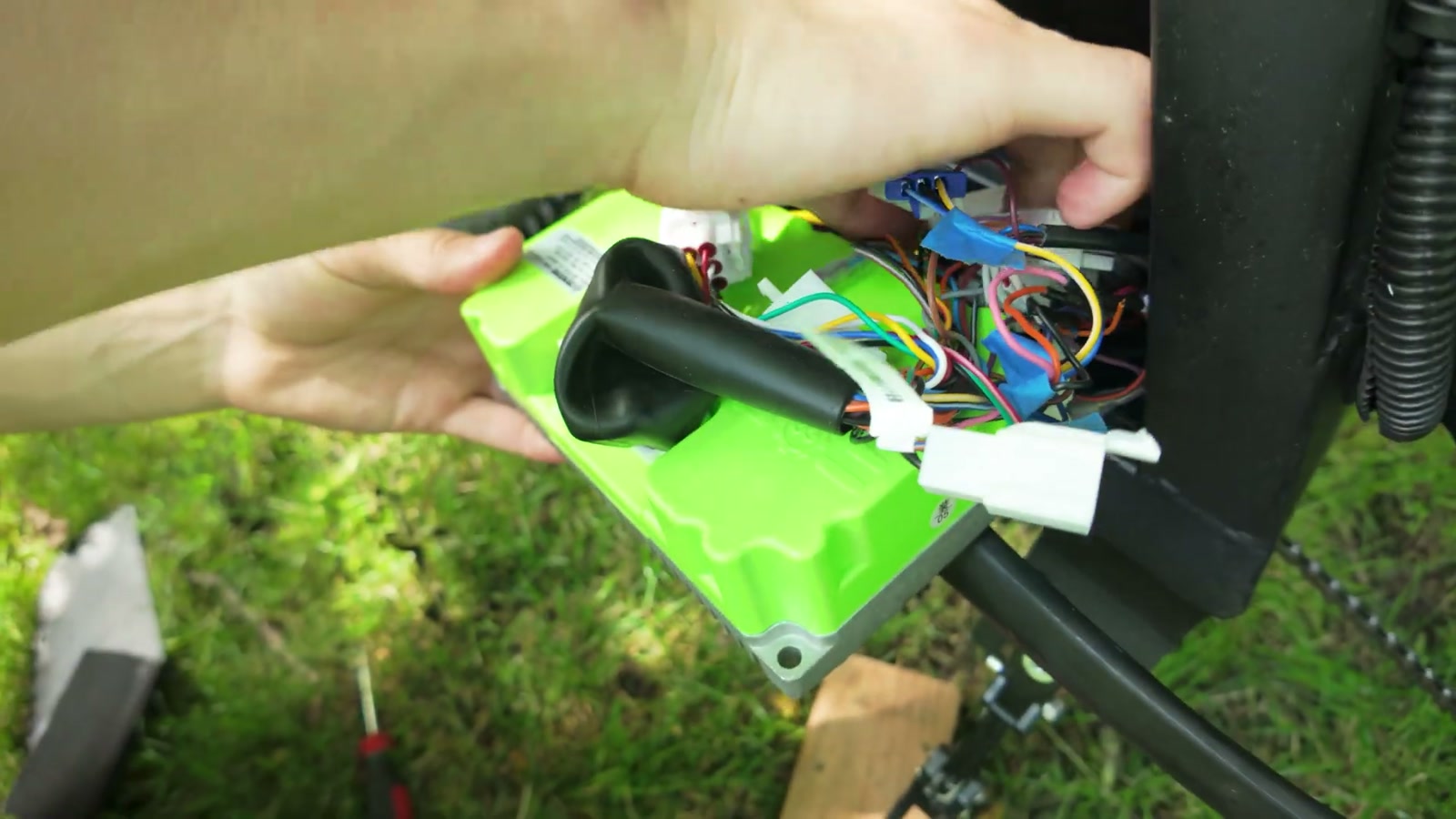
Good news: the 72300 fits inside the frame. I wasn’t 100% sure it would, but it slides in under the battery area once you’re careful about wire routing and harness positioning.
To keep it secure, I used a bit of foam to apply pressure so the controller stays put inside the frame when everything is bolted back up.
Less good news: this isn’t a pure plug-and-play swap.
The stock motor wiring didn’t match the FarDriver harness connectors, so I had to splice in a new hall sensor wire connector from the stock motor so it would connect properly to the FarDriver harness. If you’re comfortable doing wiring cleanly (and you’re patient), it’s totally doable. If wiring makes you nervous, you’ll want help—or at least plan for extra time.
Why I keep coming back to FarDriver
The big reason I like FarDriver controllers is that the tune can feel predictable.
With some controllers, the power modes can feel weirdly spaced or inconsistent—like mode 1 is too soft, mode 2 is jumpy, and mode 3 is chaos. With the FarDriver tune I’m running, the ramp feels smooth and intentional, and each mode feels usable.
The internal Bluetooth is also a practical win. No dongle required—just connect and adjust.
Controls and cockpit: twist throttle, key ignition, and a display (with a caveat)
I basically gutted the stock electronics and rebuilt the cockpit around the FarDriver ecosystem.
Here’s what I added:
A Sur-Ron-style full twist throttle
A key ignition with a built-in voltage display
A Chaojie display (3.13")
A 3-speed switch
A very loud moto-style horn
Most of these accessories were straightforward because they’re designed to work with the FarDriver harness.
The one annoying part: display calibration
Right now, I’m still sorting out the Chaojie display setup. Voltage reads correctly, but the speedometer and drive modes weren’t behaving the way I expected, and it seems like I may need a firmware update.
That said, the key ignition’s voltage display gives me a quick, reliable battery check, so I’m not stranded without info while I get the display dialed.
Lighting and signals: making the Patrol feel street-ready
This is the kind of upgrade you don’t fully appreciate until you ride in real traffic.
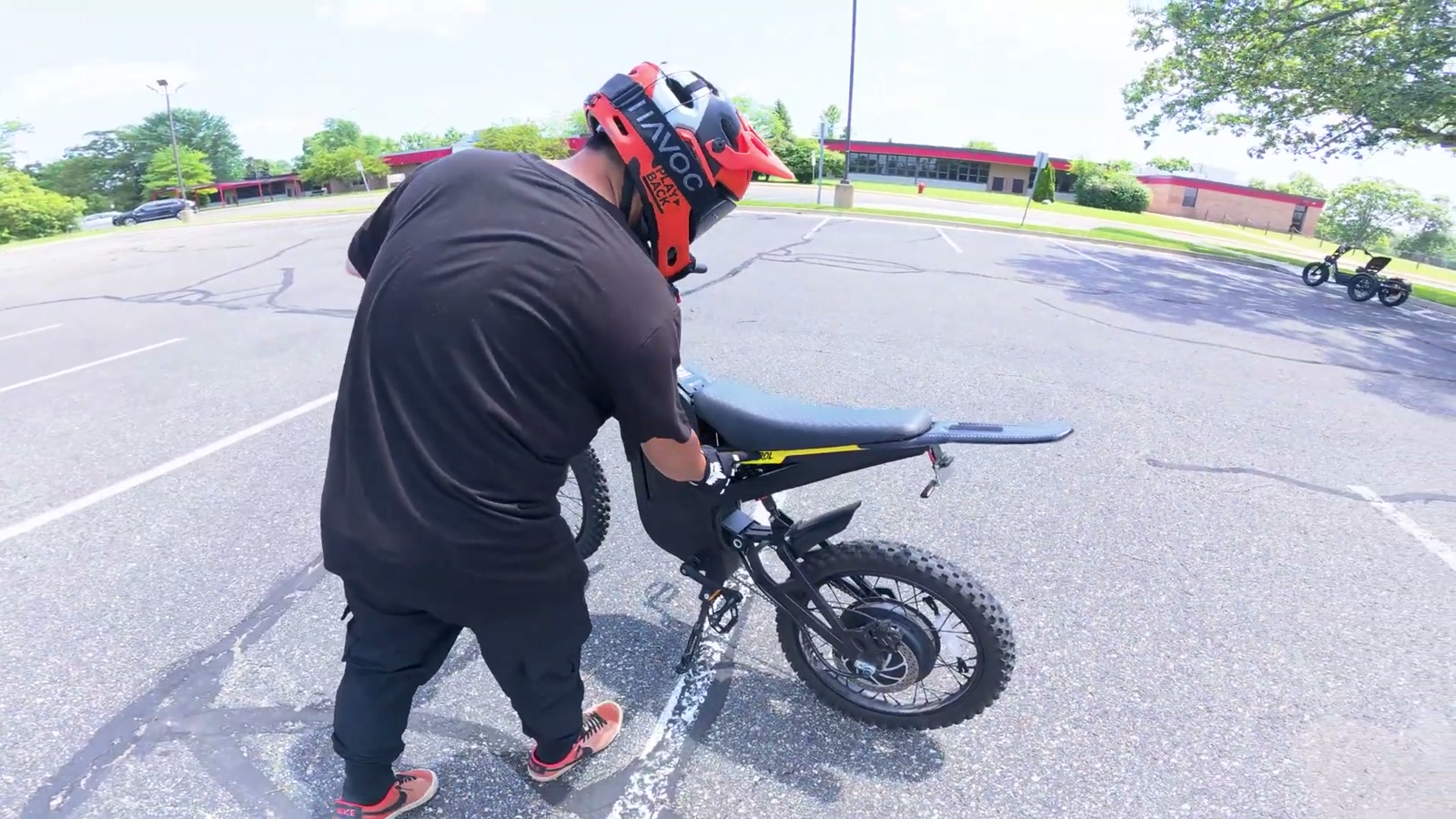
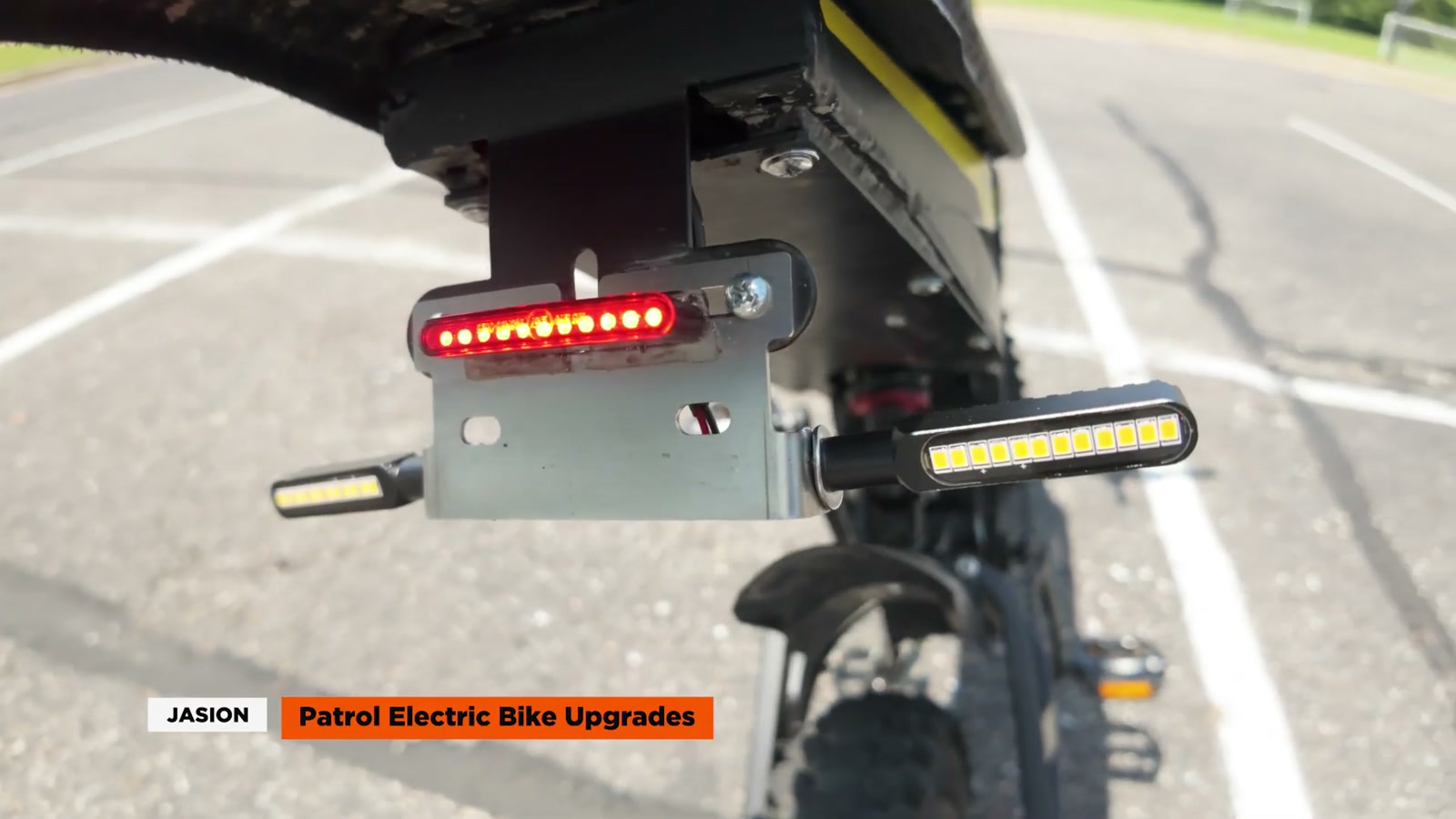
I added a 12V step-down converter (52V to 12V) and tucked it out of the way inside the bike, then wired it to a full lighting setup:
12V headlight
Rear tail light
Front and rear sequential turn signals
The sequential signals are a surprisingly good choice. The animation draws your eye in a way that feels more noticeable than a basic blink—especially from the rear.
Tail light note
My rear brake light is not wired to brighten when I pull the brakes. Instead, I left it on a high-visibility constant setting.
In a perfect world, I’d love true brake-actuated brightness, but in practice I’d rather have a tail light that’s always very visible than a half-baked setup that’s finicky. For this build, constant-on works.
First ride: smoother, stronger, and way more controllable
The first thing I felt wasn’t “more speed.” It was smoothness.
On power level one, the throttle ramp is noticeably smoother than stock. It’s not just softer—it’s more controlled. I can roll into the power without that vague on/off feeling.
And even in the lowest mode, I felt a bit more low-end torque compared to how I remember the stock bike.
Power modes that actually make sense
Power level one: smooth and surprisingly usable. Great for neighborhood cruising or anywhere you want to stay chill.
Power level two: my favorite balance. More torque off the line, still super controllable.
Power level three: not a night-and-day jump from level two, but it’s definitely there. It feels like the bike is “awake” without suddenly turning sketchy.
A key point here: the Patrol is still 52V. This build doesn’t magically turn it into a high-voltage monster. But it does feel like it’s using its 52V system more effectively.
Speed and “opened up” feel
I did a Dragy run and saw more top speed than I got with the stock controller. I’m not going to overhype it as a totally different class of bike—but the extra speed is real, and it pairs nicely with the smoother delivery.
More importantly, the bike feels opened up.
It’s that sensation of the drivetrain not feeling held back by conservative stock programming. The Patrol still has its character, but it feels more refined—like the controller is working with the bike instead of just limiting it.
Handling, comfort, and the Patrol’s sweet spot
Once I started mixing pavement with little transitions—curbs, mild off-road, uneven surfaces—the Patrol reminded me what it does best.
It’s comfortable.
If you mostly ride pavement, this setup feels close to perfect. The predictable tune makes it easier to hold a steady pace, and the bike just feels friendly.
On light off-road, it’s still fun and capable, but I did notice the rear shock felt a little too soft for how I was riding. I could see myself going stiffer if I wanted to push harder off-road or carry more speed over rougher stuff.
But for casual dirt paths, curb hops, and mixed-surface cruising? It’s great.
The app and tuning: powerful, but it’s a rabbit hole
I’m using the Worthless Controls FarDriver app for tuning.
Tuning is the whole reason to do a FarDriver swap, but I’ll be honest: getting the most out of it takes time.
The Patrol’s current tune was set up by Ryan Goodyear, and it feels like a strong starting point—smooth calibration, predictable power, and usable modes.
If you’re new to FarDriver, you can absolutely learn it, and there’s a ton of documentation out there. Just don’t assume you’ll bolt it in and instantly have a perfect tune without any learning curve.
Real-world use cases: where this build makes sense
This modded Patrol hits a really practical middle ground.
There’s a big crackdown in a lot of places on high-power e-motos, and I get why some riders are trying to stay under the radar. The Patrol isn’t “too much” bike. The gearing isn’t set up to be ridiculously torquey, and it’s still a relatively easy platform for newer riders.
With the lighting, horn, and turn signals, it also feels more legitimate for street riding and commuting.
And because the power delivery is smoother and more controllable, it’s easier to ride responsibly—whether that’s on streets (where appropriate) or slower bike-path cruising depending on your local rules.
Is the FarDriver upgrade worth it?
For me, yes.
The controller swap gave me:
Smoother throttle ramp
Better-feeling power delivery across modes
More top speed than stock
The ability to tune the bike to match how I actually ride
The Patrol is a really solid platform for this kind of mod because the controller fits cleanly, and once the wiring is sorted, the FarDriver accessory ecosystem makes it feel like a cohesive build.
What We Like
The FarDriver 72300 makes the power delivery smoother and more predictable
The bike feels “opened up” and more refined than stock
More top speed than the stock setup
The 12V lighting, signals, and horn make it way more practical for real streets
The blacked-out frame and camo battery wrap look stealthy and custom without being flashy
Things To Consider
This is not fully plug-and-play; wiring/splicing may be required
You’ll want real DIY confidence (and the right tools) to install it cleanly
Tuning a FarDriver takes time if you want it to feel perfect
Modding can void your warranty
My tail light is constant-on and not wired to brighten under braking
The Chaojie display may need firmware/calibration to get speed/modes reading properly
Final Thoughts
This Jasion Patrol FarDriver upgrade didn’t just add speed—it fixed the feel.
The stock Patrol is fun, but with the FarDriver tune, it becomes the bike I wanted it to be: smoother at low speed, more predictable in the modes, and genuinely nicer to ride every time.
If you’re the kind of rider who wants to personalize your setup, learn tuning, and build a Patrol that feels cleaner and more street-capable, this is a killer direction.
If you want a totally hands-off experience with zero wiring, zero tuning, and zero DIY—stay stock or look for a more turnkey option. This build rewards effort.