
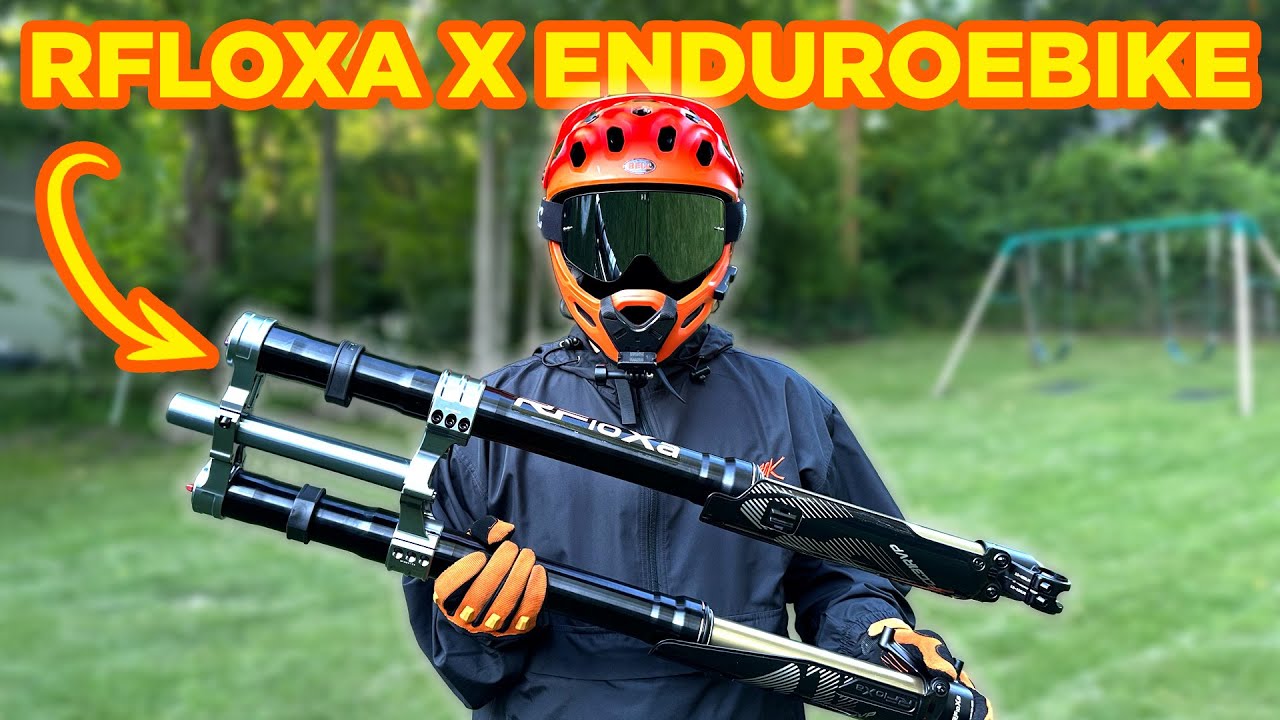
RFLOXA Hawk31 Pro Unboxing + First Impressions for My DIY Enduro E‑Bike Build
June 25, 2025
Some links in this article may be affiliate links. If you buy through them, we may earn a small commission at no extra cost to you.
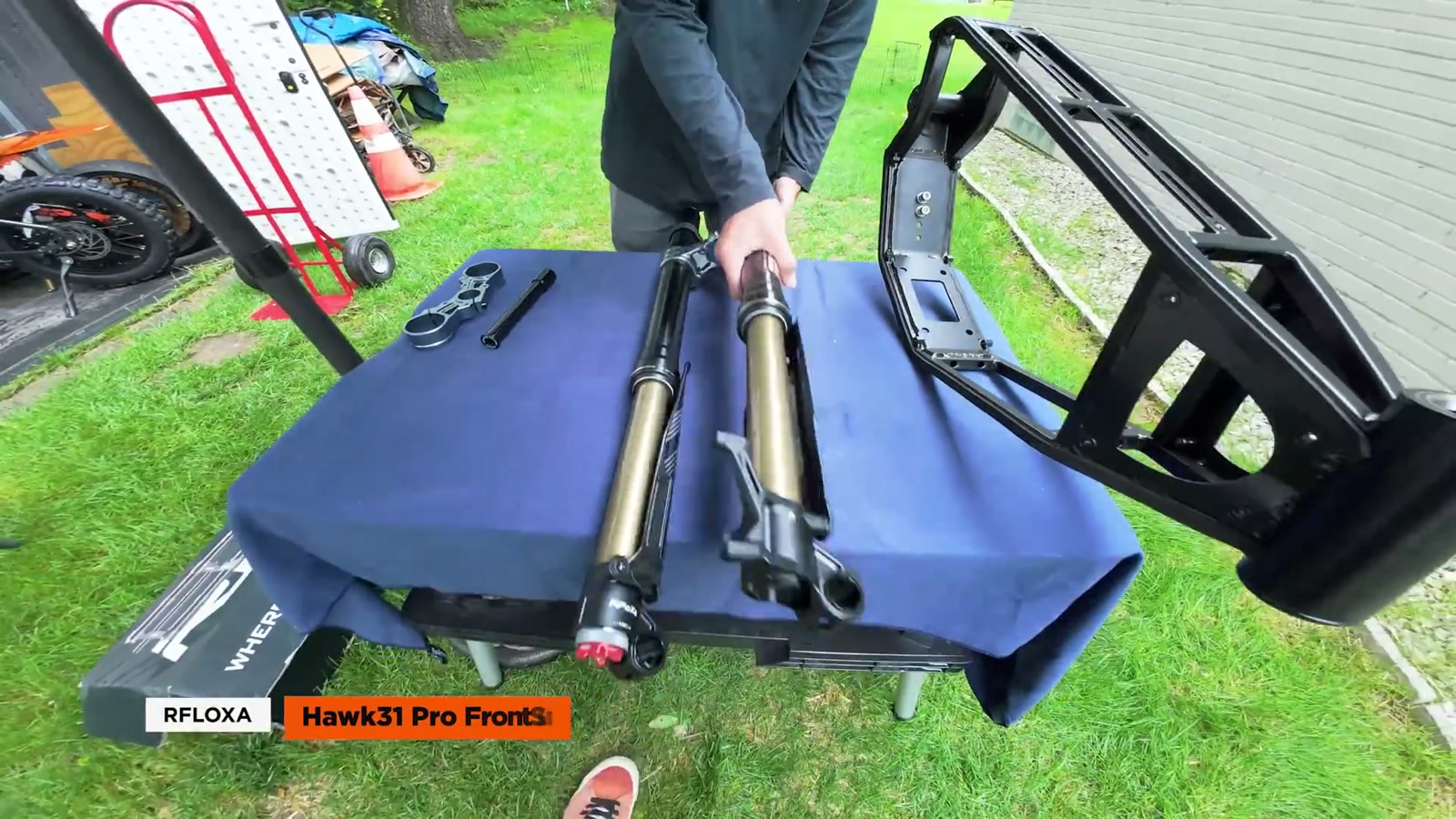
I’ve been piecing together a DIY enduro e-bike build that can handle real trail riding, not just mellow paths. Suspension is one of those make-or-break parts of the whole setup, so when the RFLOXA Hawk31 Pro showed up, I treated it like a key milestone: open it up, inspect the details, and get a feel for whether it looks and feels like it’s ready for the kind of riding this bike is being built for.
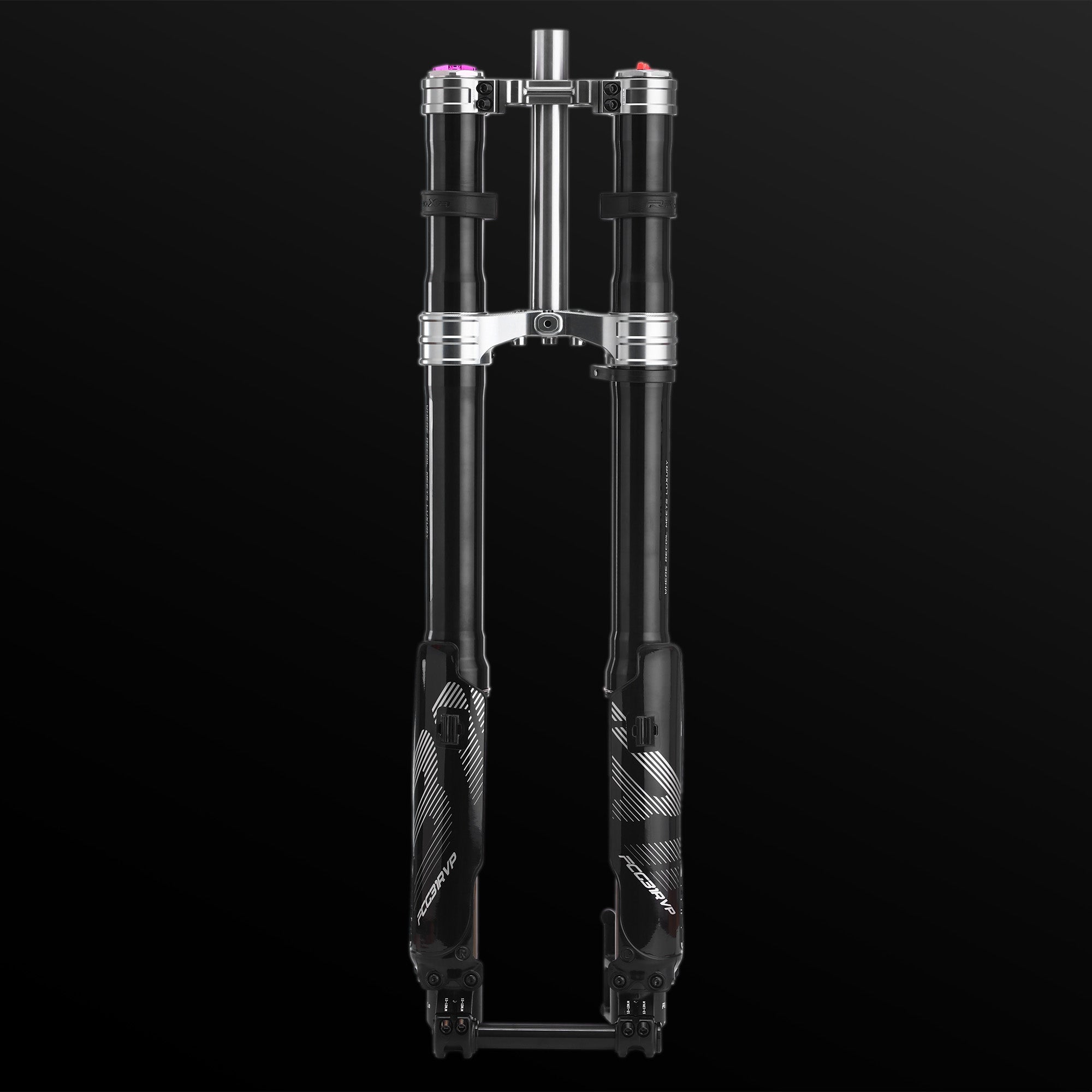
This is my hands-on unboxing and first-impressions write-up—what I liked immediately, what I’m keeping an eye on before I fully commit, and what’s next once it’s on the bike.
Why this fork is on my radar
This build is aimed at an enduro-ish riding style: faster pace, chunkier terrain, and the kind of hits that expose weak components quickly. I wanted a fork that looks purpose-built for performance, not something that feels like a compromise just to get the bike rolling.
The Hawk31 Pro is marketed as a high-performance suspension fork with a progressive spring. For an e-bike—especially a DIY build where weight, speed, and torque can amplify everything—progressive feel is exactly what I’m chasing: supportive in the mid-stroke, but still willing to absorb the big stuff without feeling harsh.
Unboxing: the first quality check
When I crack open a fork like this, I’m looking for a few instant tells:
Finish and machining: Do the surfaces look clean and consistent? Any obvious blemishes or rough edges?
Hardware and packaging: Is it protected well, or does it feel like it barely survived shipping?
Overall “shop feel”: When I handle it, does it feel like a premium component or a generic part?
Right away, the Hawk31 Pro gave me that “this is a real performance part” vibe. The presentation and the way it’s packaged matters less than how it rides, but good packaging usually signals the company expects this product to live in the higher-end conversation.
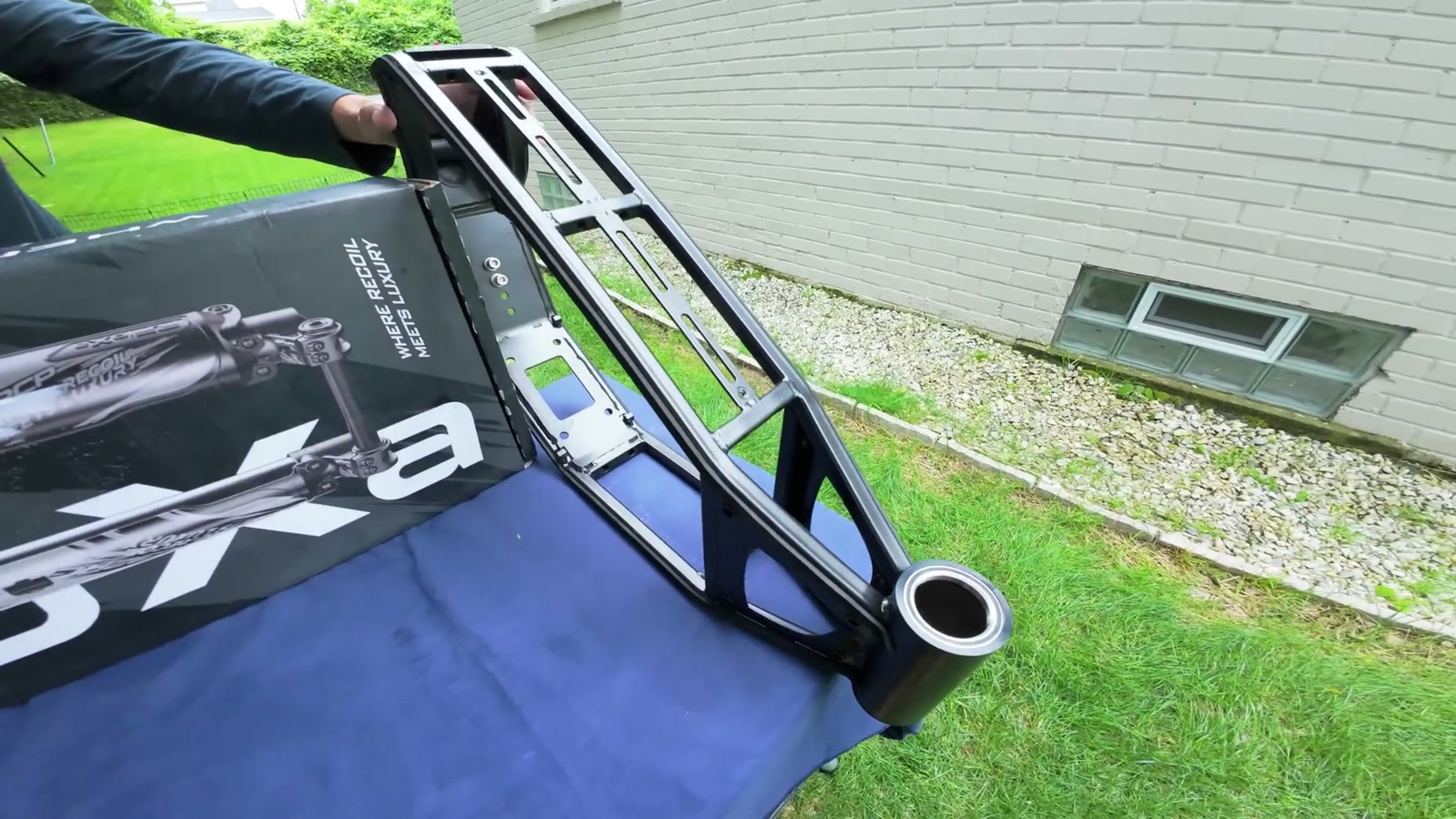
First impressions in-hand
Before a fork ever touches the trail, you can still learn a lot just by handling it.
It feels like it belongs on a serious build
This isn’t the kind of component that feels like it was made to look the part only. Picking it up and giving it a close look, it matched what I want for this enduro e-bike direction: something that appears designed for aggressive use, not just casual cruising.
Progressive spring: what I’m expecting on trail
The progressive spring angle is what really interests me here. In real-world terms, what I’m looking for is:
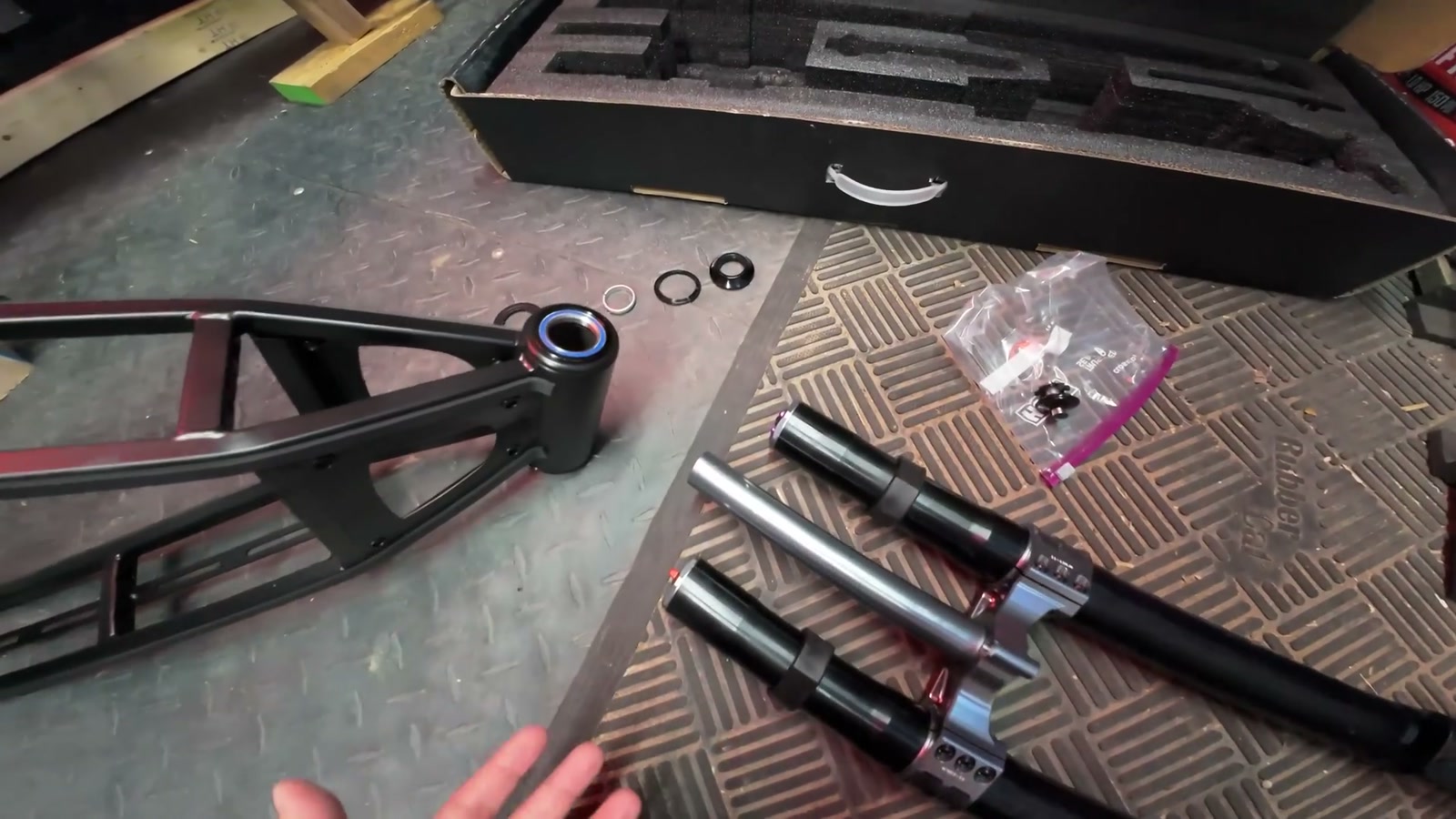
Better support when I’m braking hard or loading the front end into corners
Less “diving” feel compared to forks that blow through travel too quickly
A more controlled ramp-up when hits get bigger
Of course, the real verdict happens under braking, on repeated hits, and when the fork is working hard for an extended stretch. But as a design goal, progressive feel makes a lot of sense for an enduro-style e-bike.
Fitment + build planning (what I’m thinking about next)
On a DIY build, a fork isn’t just a fork—it’s also a geometry decision and a parts-compatibility decision. Before I call anything “perfect,” I’m thinking through:
How it’s going to pair with the rest of my front-end setup
Whether it aligns with the direction of the build (enduro vs. more moto-inspired)
How it’ll feel once the bike has full weight, battery, and real trail speed behind it
This stage is about confidence. The goal is to install it cleanly, set it up properly, and then judge it by how it performs when the trail gets rough.
What We Like
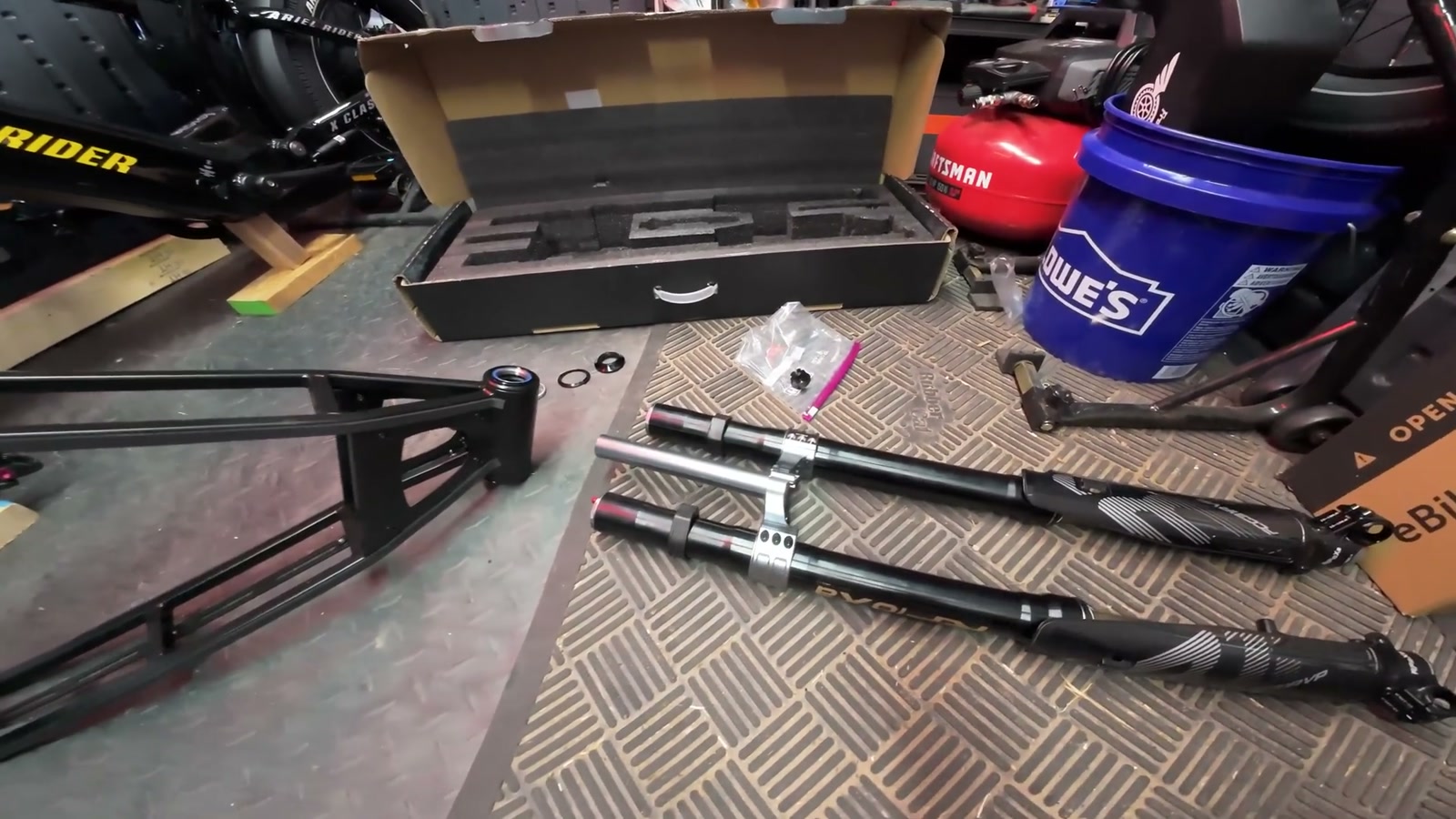
Feels like a performance-focused fork right out of the box
Progressive spring concept is a strong match for an aggressive DIY enduro e-bike build
Looks like a component that’s meant to be ridden hard, not babied
Things To Consider
First impressions aren’t trail performance—setup and real riding will decide whether it’s the right fork for this build
A fork choice affects the whole bike’s front-end feel and geometry, so it’s worth planning the rest of the build around it
Final Thoughts
Unboxing the RFLOXA Hawk31 Pro felt like a step toward making this DIY enduro e-bike build legitimately trail-ready. The overall presentation and the “in-hand” quality check left me optimistic, and the progressive spring approach is exactly the kind of feature that can translate into more control when speeds pick up and the terrain gets ugly.
Next up is getting it installed, dialing in setup, and putting real trail time on it—because that’s where a fork earns its spot on the bike.