
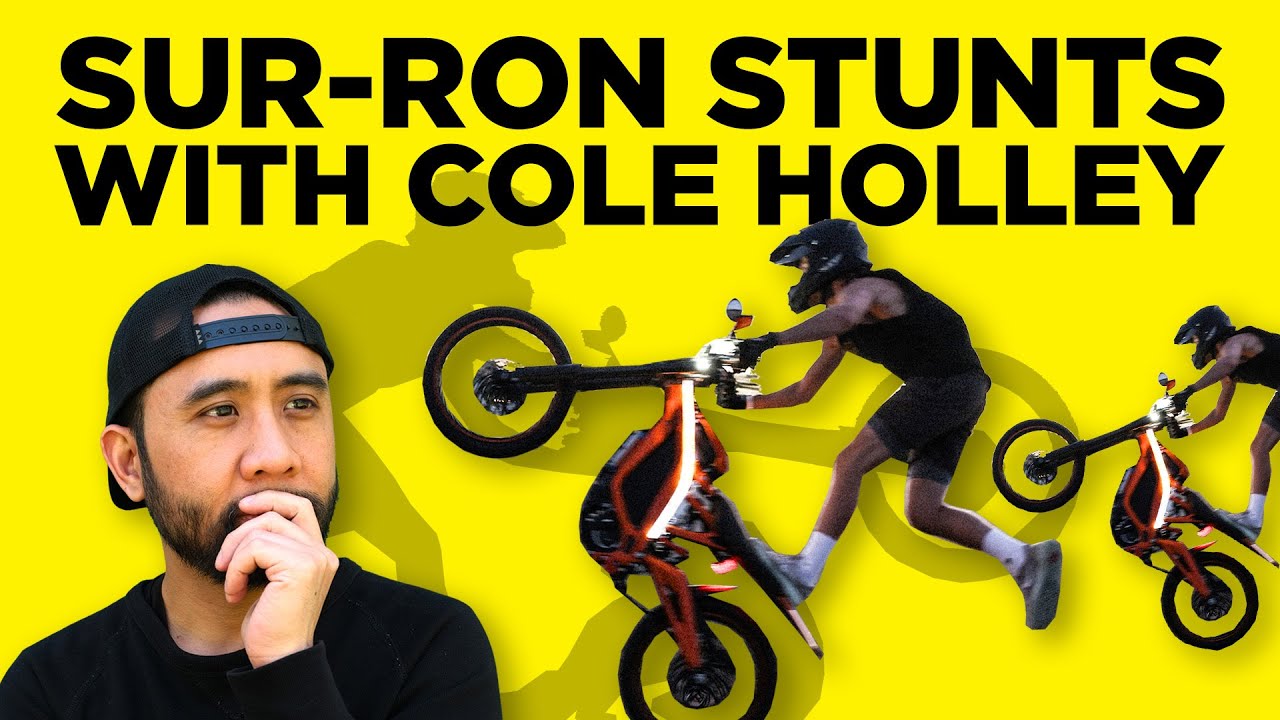
Sur-Ron Stunt Culture, Progression, and Why Electric Makes It Easier to Ride More
August 15, 2022
Some links in this article may be affiliate links. If you buy through them, we may earn a small commission at no extra cost to you.
Sur-Ron stunt culture has its own energy. It’s equal parts creativity, repetition, and that never-ending itch to try something just a little cleaner than last time. Spending time around riders who live for progression reshaped how I think about riding an e-moto day to day—especially if your goal is to actually get better, not just show up once in a while.

This isn’t a spec sheet kind of story. It’s about what happens when riding becomes accessible enough to do constantly, and how that changes the skills you build, the risks you take, and the kind of community that forms around it.
Daily riding beats weekend motivation
If you want wheelies (or any stunt progression) to feel less like a once-a-week gamble, the biggest lever is frequency.
What I noticed is how quickly “weekend-only riding” turns into a loop:
You show up Saturday feeling hyped
You spend half your session rebuilding confidence
You finally find a groove
Then you park it for a week and repeat
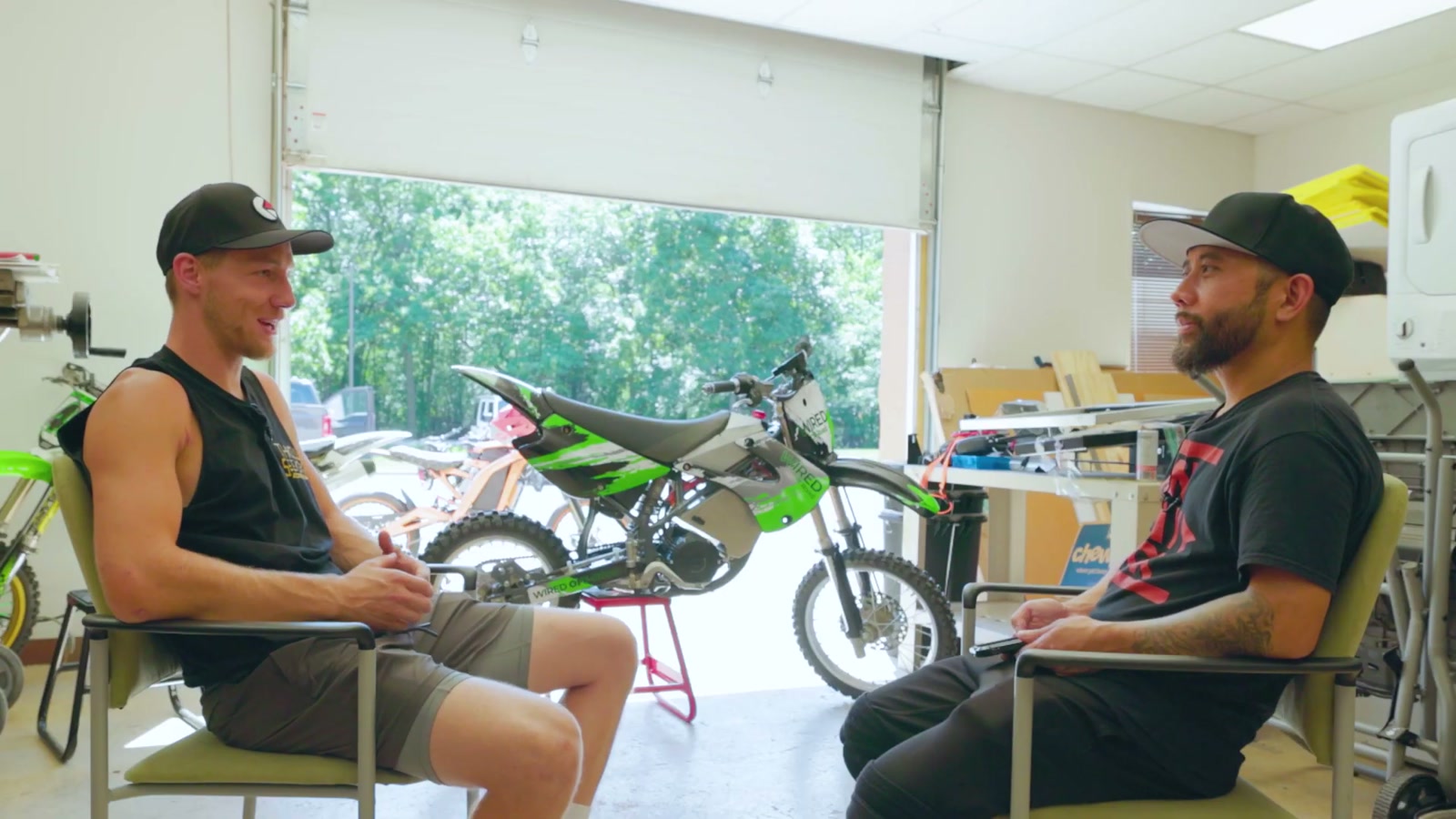
The daily approach is different. Even 15 minutes changes everything because your brain and body stay calibrated. Balance point doesn’t feel like a distant place you visit occasionally—it becomes a familiar zone you can return to on command.
The addiction to progression is real
Stunt riding rewards tiny improvements.
A wheelie becomes:
a longer wheelie
then a steadier wheelie
then brake control that actually looks calm
then one-hand control
then seat transitions
then combos
The part that stuck with me is how structured the mindset can be. Progression isn’t “send it until it works.” It’s a personal curriculum: trick → variation → link → combo. That’s also why the best riders have that unmistakable flow. It’s not just that they can do the trick—they’ve done it so many times it looks effortless.
Why electric changes the whole equation
Here’s the thing: electric makes consistency easier.
With a Sur-Ron-style e-moto, I can ride without turning it into a production. No planning a route that avoids drama. No warming up a motor. No feeling like I have to make the ride “worth it” because I loaded up and drove somewhere.
That ease matters because stunt progression isn’t built on heroic sessions. It’s built on showing up over and over—on a random Tuesday, for a quick lap, for a short practice block, for one trick.
Electric also shifts the tone of street riding. It’s still riding, it’s still adrenaline, but it can feel less disruptive. That’s a big deal as you get older, have more responsibilities, or simply want to ride without constantly calculating risk vs reward.
Risk vs reward, and growing up in the scene
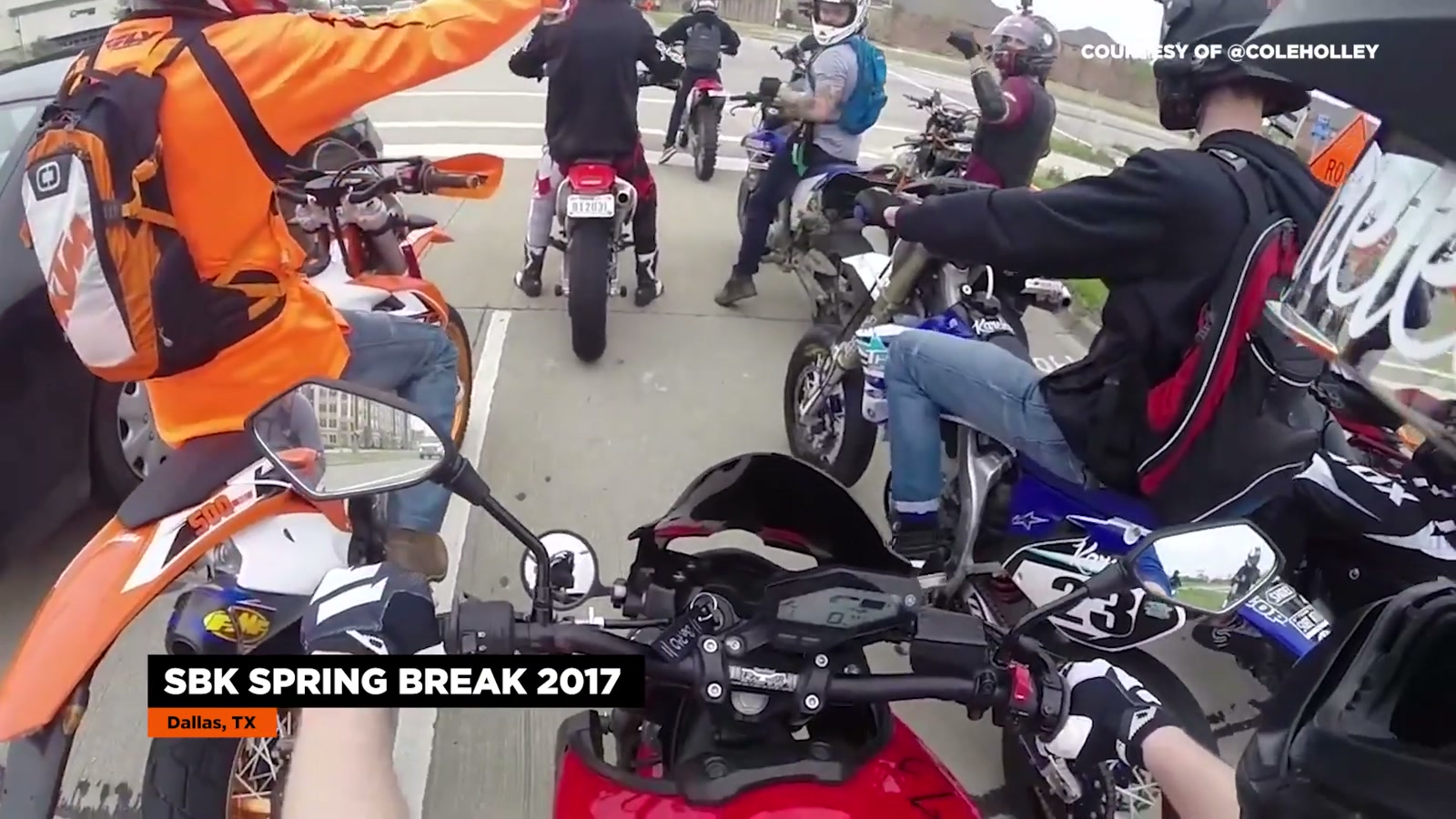
Stunt culture will always attract some chaos—part of the appeal is pushing boundaries. But the longer you ride, the more you start thinking about sustainability.
I relate to that shift: I want to ride wheelies and keep the passion alive, but I don’t want to make enemies doing it. It’s a different mindset than being 21 and invincible.
Electric doesn’t automatically make things “safe,” but it can make it easier to ride in a way that feels more responsible and less confrontational.
You can’t fake the work
One of the most honest things about stunt riding is that results show.
Even at the top, if someone disappears for a year and comes back, you can see it. They might still land the trick, but the style looks forced. The smoothness isn’t there. The transitions look rushed. The bike control doesn’t have that relaxed confidence.
That’s why daily reps matter so much. Not because you need hours—because you need continuity.
A practical way I’d train wheelies (without overthinking it)
If I were building wheelie skill from scratch, I’d keep it simple:
15 minutes a day, not one huge day a week
Repeat the same fundamentals until they feel boring (that’s a good sign)
Gradually work farther back, one small step at a time
Make brake control a habit, not an emergency move
Accept that you will fall and you will get bruised
The best part is you don’t need a full day. You need consistency.
What We Like
Electric makes it easier to ride often, and frequency is everything for progression
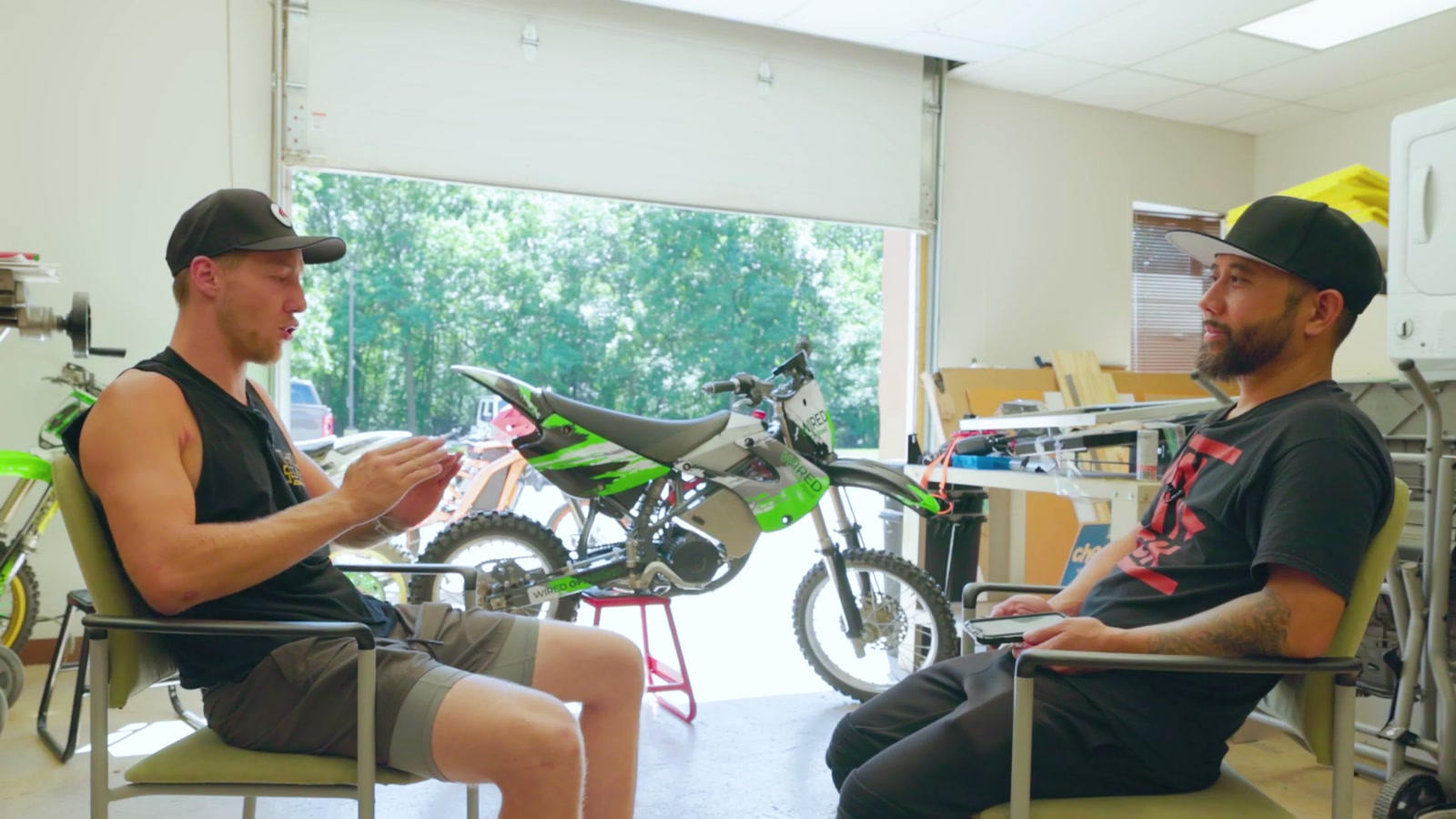
Stunt culture rewards creativity, personal style, and steady improvement
Short daily sessions can outpace long weekend rides for skill-building
The community aspect is real—people feed off each other’s motivation and ideas
Things To Consider
Progression has a cost: you’re going to fall, and it’s going to hurt sometimes
Street riding always carries legal/social risk; being mindful matters
If you only ride occasionally, expect to re-learn the same skills repeatedly
“Looking good” (flow/style) takes time beyond just landing the trick
Final Thoughts
What I walked away with is simple: riding more often makes you better faster, and electric makes it easier to ride more often.
That’s why Sur-Ron stunt culture has grown the way it has. You can get a huge percentage of the fun with fewer barriers—and once progression becomes part of your routine, it’s hard not to chase that next small improvement.
If you’re trying to build wheelies, combos, or just overall bike control, I’d bet on consistency over intensity every time.