
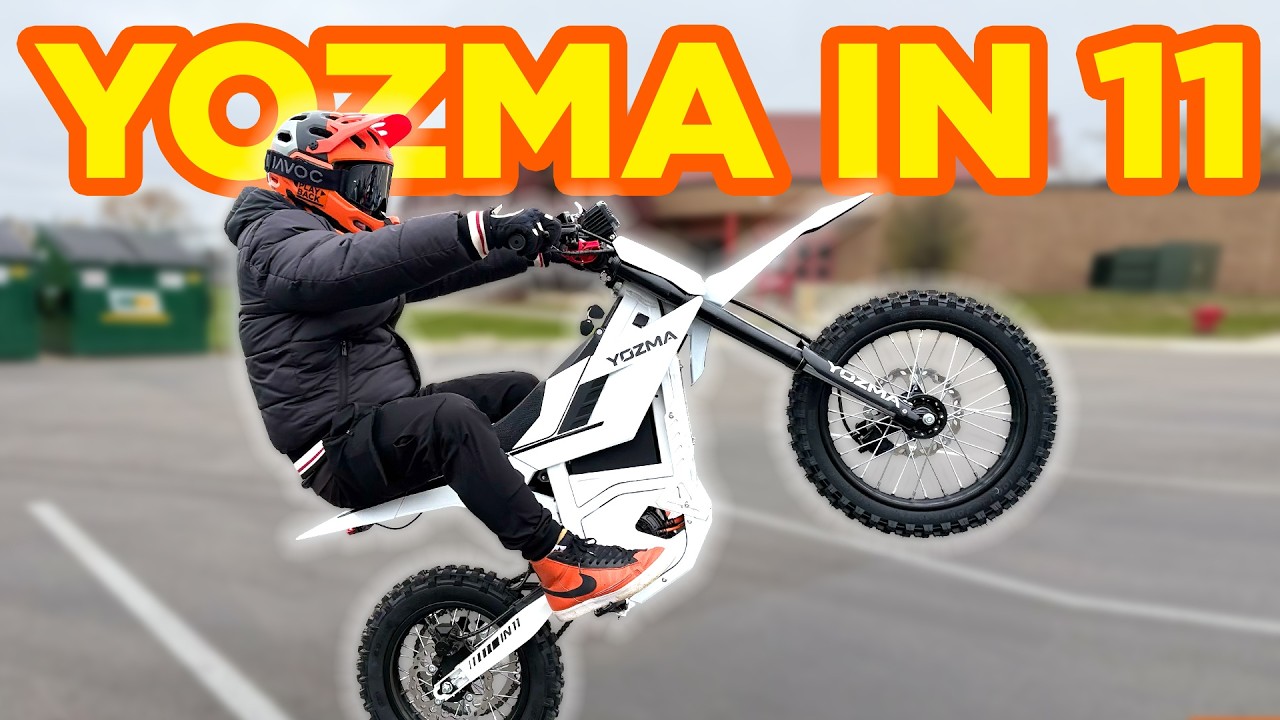
Yozma IN 11 Mini Electric Dirt Bike Review: More Torque, Stunt Mode, and One Big Weak Spot
November 18, 2026
Some links in this article may be affiliate links. If you buy through them, we may earn a small commission at no extra cost to you.
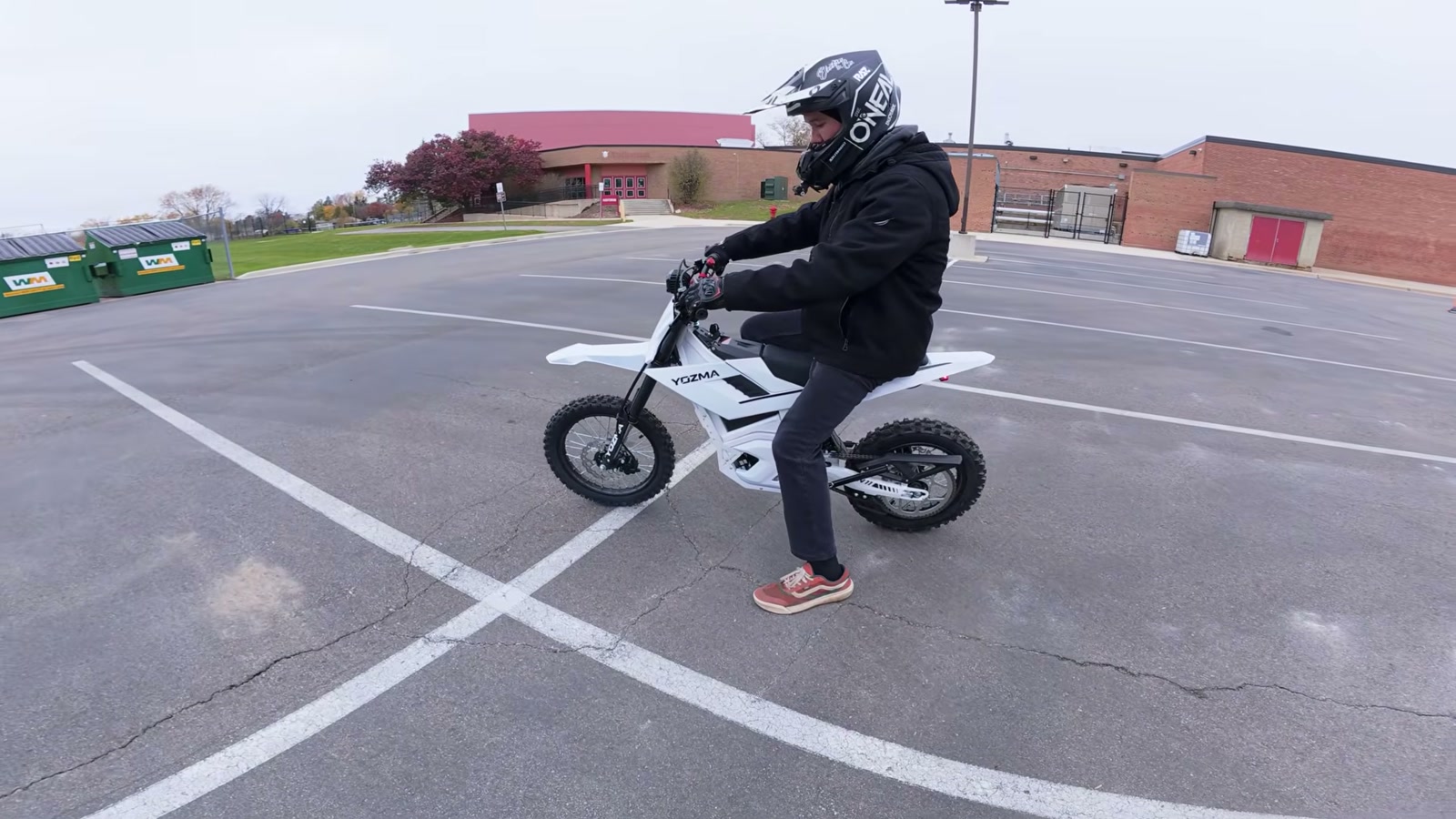
The Yozma IN 11 is one of those mini e-motos that feels familiar the second you walk up to it… but it doesn’t ride like a simple refresh. It’s basically the IN 10 silhouette with a handful of meaningful upgrades, plus one headline feature (stunt mode with wheelie assist) that sounds better on paper than it feels in real life.
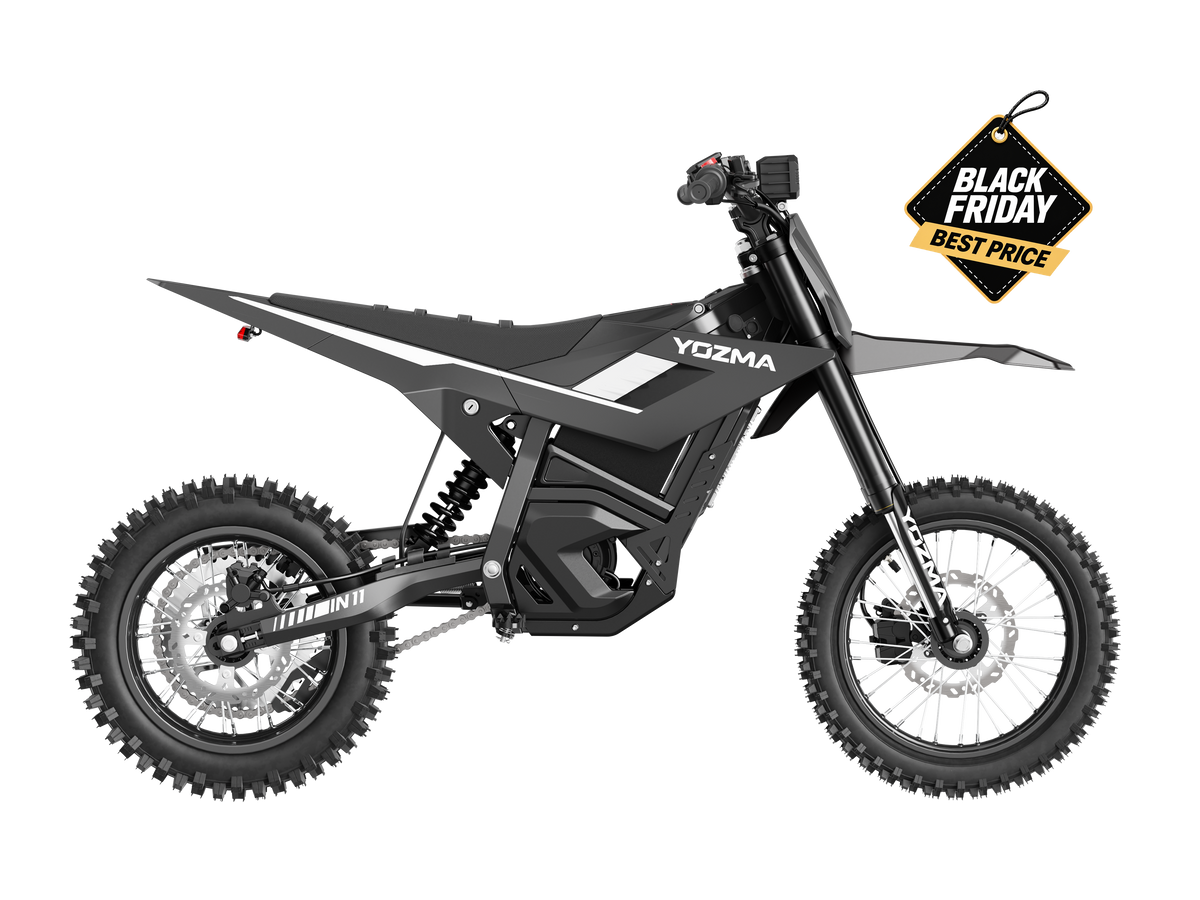
After spending time on it on pavement and off-road, my takeaway is pretty clear: the IN 11 is legitimately fun, it has strong low-end torque, and the brakes are shockingly good for a “budget” mini electric dirt bike. But the rear suspension holds it back, and the wheelie assist needs more refinement to feel like anything other than a novelty.
First Impressions
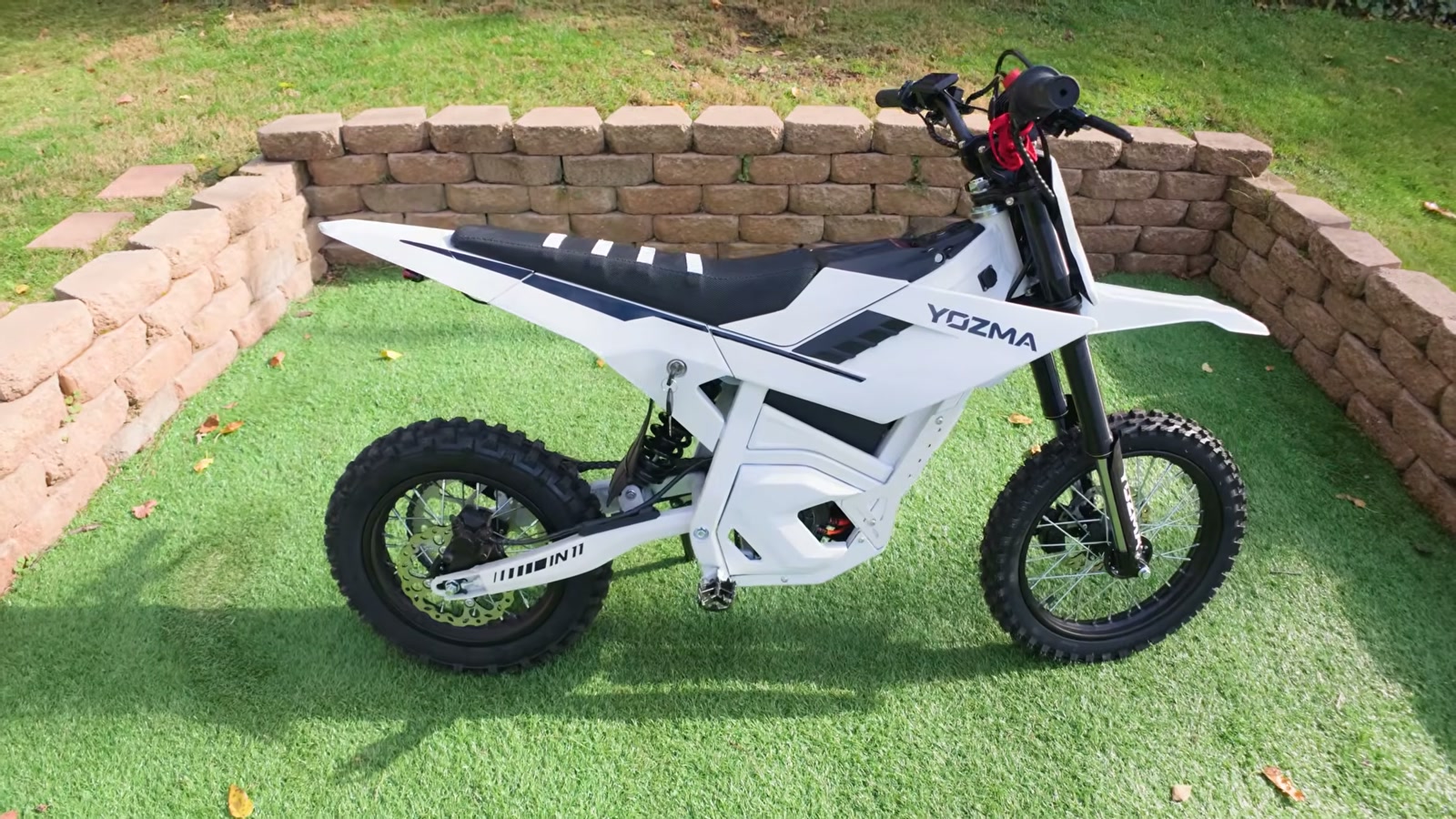
At a glance, the IN 11 looks extremely close to the IN 10. The frame and overall stance are basically the same, and it keeps that compact “mini dirt bike” vibe that made the IN series popular.
The white-and-black colorway looks clean, and the plastics are the easiest way to spot the difference. The side panels flare outward more than the IN 10’s, which were more flush. It’s a small change, but it gives the bike a slightly fuller look.
Build-wise, a couple things stood out right away:
The skid plate is metal and feels like a real upgrade.
There’s a chain guard in the rear that I don’t remember seeing on the IN 10.
The paint on my unit looked rough around the edges—purely cosmetic, but noticeable.
The lighting is also a nice surprise in this category. The headlight is genuinely bright, and you get a rear tail light that increases brightness when braking.
Controls and Day-to-Day Usability
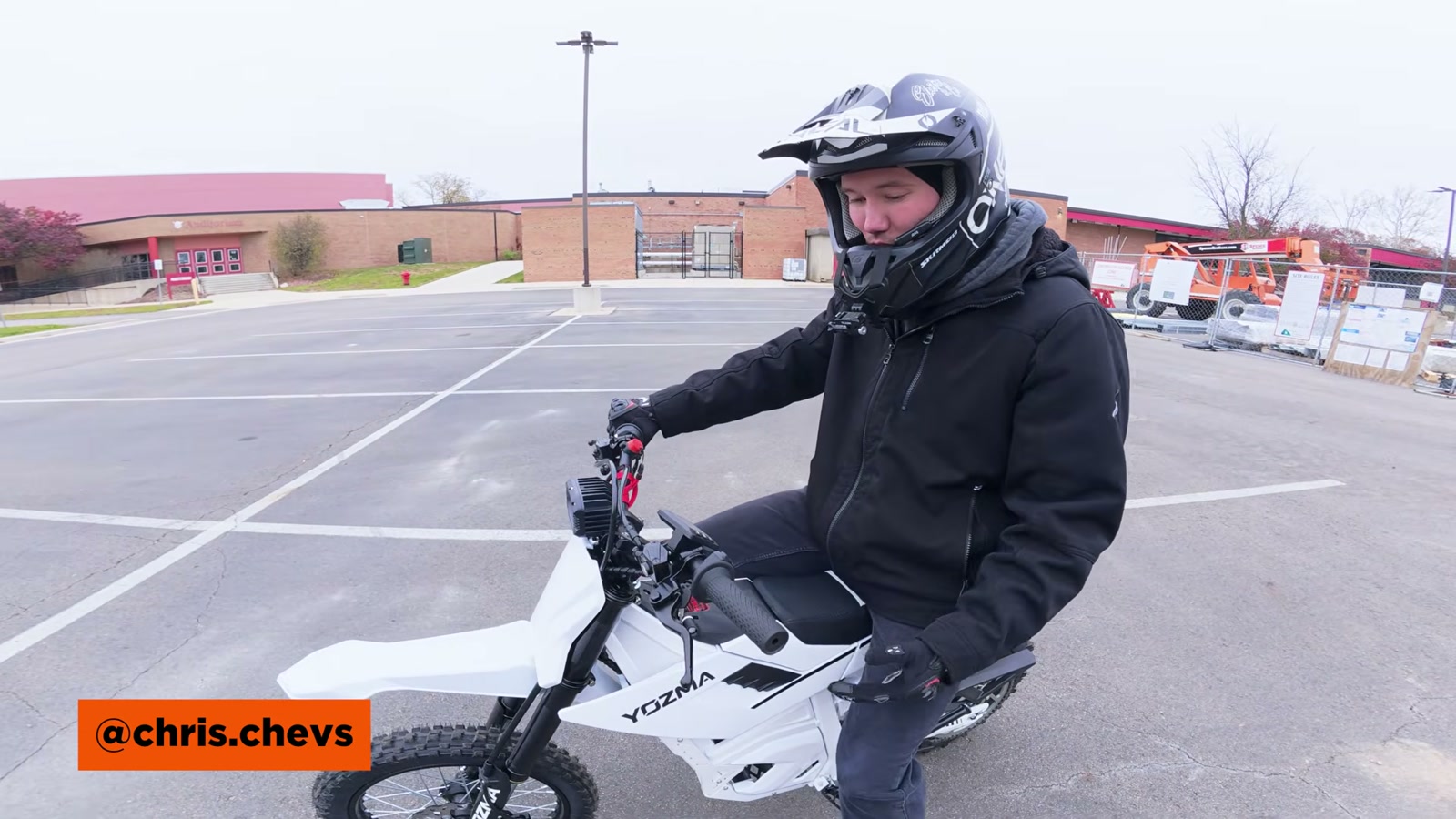
The cockpit is simple and familiar if you’ve been around Sur Ron-style layouts. You get a full twist throttle, a left-mounted display, and a key ignition.
Two additions I really appreciate:
Reverse
There’s a reverse button, and once you use it a few times you’ll wonder why more of these bikes don’t include it. It’s one of those “small” features that makes garage shuffling, tight parking, or getting unstuck way less annoying.
Kill switch with lanyard
You also get a lanyard-style kill switch. If you come off the bike, it cuts power. On a mini e-moto that encourages wheelies and goofing around, that’s a smart safety add.
One practical annoyance: the rear mud guard was long enough that it could rub the tire. I ended up zip-tying it up. You could trim it too, but either way it’s a quick fix.
The Battery Upgrade You Actually Feel
The big “real” upgrade on the IN 11 is the jump to a 52V 27Ah battery.
I’m always careful not to oversell voltage bumps—48V to 52V doesn’t magically transform a bike. But I could feel the difference in responsiveness and low-end torque, especially down low in the power modes. It’s subtle, but it’s there.
Battery access is also one of my favorite parts of the IN platform. The seat opens with the key, and the battery uses a drop-down bracket design that keeps it secure and makes removal easy. It’s simple, and it works.
Power Delivery and Performance
This bike uses a mid-drive motor (rated 4,800W peak per the manufacturer) and a FarDriver controller. I left the tune completely stock for my testing.
Four riding modes
You get four modes:
Mode 1 (eco)
Mode 2 (sport)
Mode 3 (race)
Mode 4 (stunt / wheelie assist)
Mode 1 surprised me. It’s not “fast,” but it’s more responsive than I expected, and it doesn’t feel dead.
Mode 2 is where the bike starts to feel punchy. There’s a noticeable jump once you roll deeper into the throttle, so it rewards a smooth hand.
Mode 3 is the “yep, this thing rips” mode. Wheelies come easily, and the bike has the kind of low-end torque that makes it feel playful instead of just quick.
Acceleration and real top speed
I ran acceleration and speed testing and saw about 42 mph on GPS.
That’s plenty for what this bike is (a mini dirt bike that wants to wheelie, carve, and hit trails), but it is a bit shy of the commonly advertised 45 mph figure. If you’re buying this purely because you want a guaranteed mid-40s top speed, set expectations accordingly.
Braking: The Unexpected Highlight
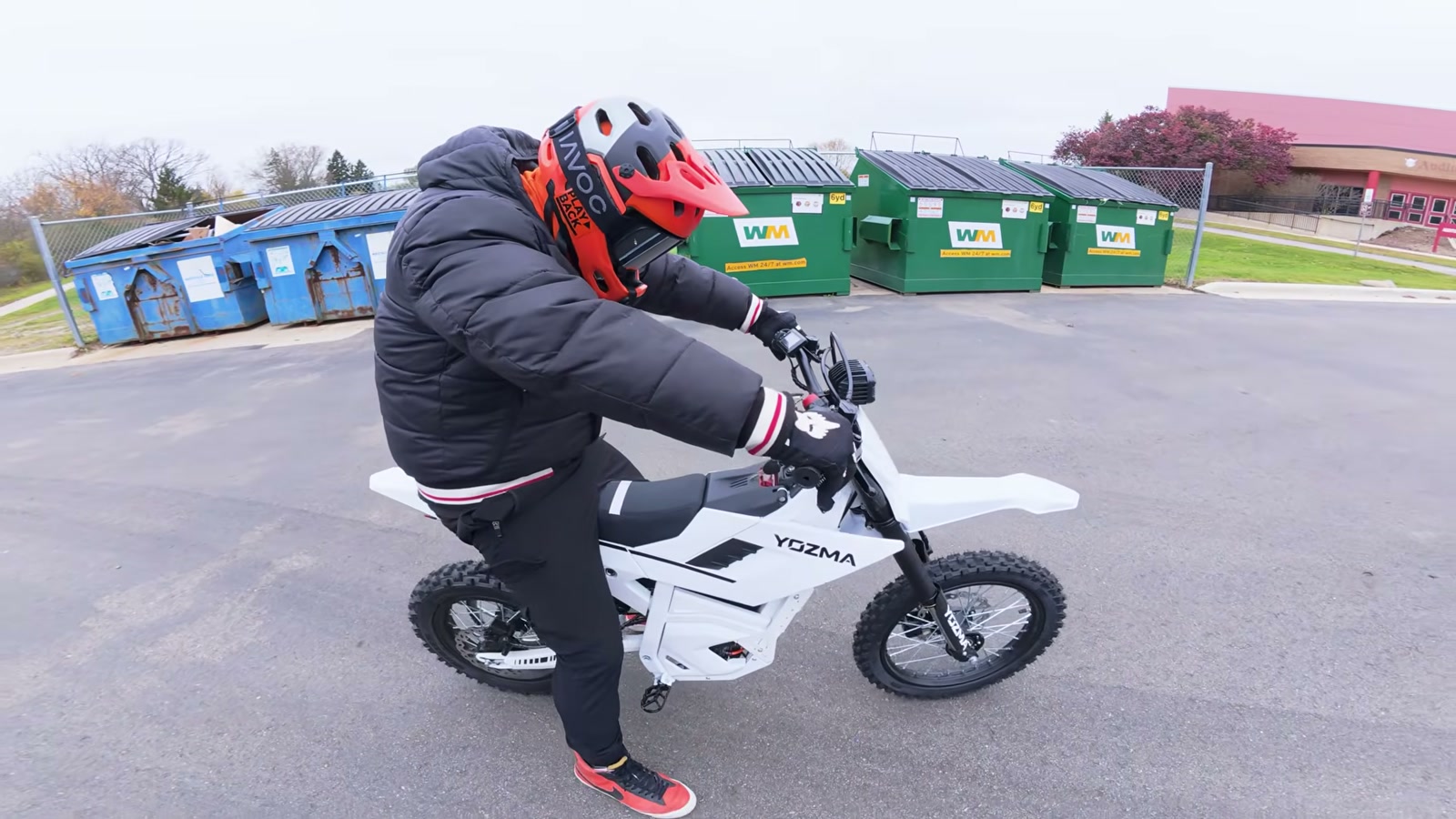
The IN 11 uses moto-style hydraulic disc brakes front and rear, and they’re excellent.
Not just “powerful,” but actually usable. I could modulate them smoothly, and that’s rare on budget mini e-motos where braking often feels like an on/off switch.
Lockup is easy if you want it, but what impressed me more was the control—especially when playing around with wheelies and needing to bring the front end down cleanly.
One note: I removed the rear brake sensor so the motor wouldn’t cut out under braking. That’s a personal preference (especially for wheelies), but it’s something to be aware of depending on how you ride.
Wheelies and the Reality of “Wheelie Assist”
Let’s talk about the feature everyone is going to ask about.
Mode 4 is stunt mode, and it includes wheelie assist with an adjustable target angle from 15 to 40 degrees.
You can change the angle in the display settings (P settings) and adjust it to your preference. I left it at 40 degrees because I wanted to see the maximum effect.
My experience
I’ll be blunt: I don’t think this wheelie assist is dialed.
The core issue is that 40 degrees doesn’t feel like enough to get you to a comfortable balance point at the slower speeds that beginners actually need. To even get near that angle, I had to push the bike harder than I’d want to if I were learning.
Instead of feeling like “training wheels,” it felt like I was chasing the wheelie. And if you chase it with more throttle, you end up going faster than you want—right when you’re trying to build control.
It does work better for slow, parking-lot-style wheelies where you’re deliberately creeping around. But if your dream is long, controlled wheelies at a comfortable pace, the assist felt too limited.
I also found it interesting that mode 4 didn’t pop the front the way mode 3 does. Full pin in stunt mode didn’t deliver the same instant lift I got elsewhere.
Wheelies by mode
Mode 1: not enough power for clean stand-up wheelies, but it can do slow circle wheelies if you really work the throttle.
Mode 2: it can wheelie, but you have to be careful because the power steps in once you’re deeper into the throttle.
Mode 3: easiest mode to wheelie, and once I got settled it was genuinely fun to hold and coast.
Mode 4: wheelie assist works in a narrow use case, but it didn’t feel like the best mode for actually learning or cruising.
Comfort and Suspension (Where the IN 11 Stumbles)
The front suspension felt good to me, especially off-road. It handled bumps and chatter without drama.
The rear shock is the problem.
I bottomed it out repeatedly—during wheelies, during off-road hits, even just compressing it aggressively. It created a bouncy feel that could throw off timing when I was trying to pop the front end up, and it made the bike feel less composed on rougher terrain.
If you’re lighter, you may have a better experience. But for me, the rear suspension was the clearest “upgrade this first” item on the entire bike.
There was also a knock-on effect: the number plate actually fell off during the off-road ride because the bike was bouncing around so much.
Off-Road Ride: Fun, Capable, Needs a Shock
Despite the rear shock issues, the IN 11 is still a blast off-road.
The torque makes it feel eager climbing and accelerating on dirt, and the bike had no problem getting up a hill from a standstill (a run-up would obviously help, but it still made it).
Traction felt solid with the knobby setup, and the drivetrain sounded clean—no weird chain noises or sketchy vibes.
If you’re planning to ride trails or do more aggressive dirt riding, I’d treat the rear suspension as a must-fix. Once that’s handled, the bike feels like it has the right foundation.
Small Details That Matter
A few smaller observations that stood out in actual use:
The handlebars felt a bit narrow for my taste. Wider bars would likely improve control and comfort.
The kickstand height felt right for the bike.
The mud guard issue in reverse was annoying—sometimes it tapped the tire and could get caught.
The FarDriver controller supports Bluetooth programming with an optional dongle, which is appealing if you’re the type who loves tuning. I didn’t tune it for this review, but it’s nice to know the platform is there.
What We Like
Strong low-end torque that makes the bike fun for wheelies, hill climbs, and dirt riding
Excellent hydraulic brakes with real stopping power and smooth modulation
52V battery upgrade adds noticeable responsiveness
Reverse button is genuinely useful
Kill-switch lanyard adds a smart layer of safety
Functional brake light and bright headlight are nice to have
Things To Consider
Rear shock bottoms out easily and can make the bike feel bouncy (especially off-road and during wheelies)
Wheelie assist feels limited at a 40-degree max angle and doesn’t help much with finding a slow-speed balance point
Real-world GPS top speed was around 42 mph, short of the often-mentioned 45 mph claim
Minor fit-and-finish notes (paint roughness on my unit, mud guard rubbing)
Final Thoughts
The Yozma IN 11 feels like a familiar mini electric dirt bike with a few upgrades that actually improve the day-to-day ride—especially the 52V battery feel, reverse, the safety lanyard kill switch, and that surprisingly good braking performance.
If you want a playful mini e-moto for wheelies, messing around in a lot, light off-road riding, and general ripping around, the IN 11 is easy to enjoy. In mode 3, it delivers the kind of torque that makes the bike feel alive.
But if you’re hoping the stunt mode wheelie assist is going to be the reason to buy this bike, I’d temper expectations. The assist works in a narrow window and didn’t feel like it was truly teaching-friendly or balance-point-friendly.
My bigger recommendation is simpler: if you’re buying the IN 11 and you plan to ride it hard, budget for a rear shock upgrade. Fix that, and you’ve got a very fun mini electric dirt bike with brakes that punch way above its class.