

Custom Sur-Ron Wheelie Trainer Machine Review: The Fastest Way I’ve Found to Feel Balance Point
December 5, 2022
Some links in this article may be affiliate links. If you buy through them, we may earn a small commission at no extra cost to you.
Learning to wheelie a Sur-Ron is one of those things that looks easy until you’re the one staring down that tiny gap between “front wheel up” and “loop out.” I’ve had coaching sessions, I’ve tried a wheelie guard, and I still didn’t have that calm confidence at balance point.

So I bought a wheelie trainer machine that claimed it would work with the Sur-Ron, bolted it on, and committed to a few days of real practice. The result surprised me: it didn’t magically turn me into a stunt rider, but it absolutely accelerated the one thing I was missing most.
Here’s the hands-on breakdown.
My Wheelie Backstory (and Why I Wanted a Trainer)
I learned the basics last year with a friend who really knows what they’re doing, and that session helped a lot. The problem was I didn’t put in enough repetition afterward, so I never fully built that instinct for balance point.
After that, I tried a wheelie guard. It was helpful, but for me it also felt like a bit of a crutch. The added weight changed how the bike popped up, and I could tell I was building habits around the hardware instead of around throttle and rear brake control.
What I wanted was something that could:
Let me experience “the scary part” (getting up near balance point)
Stop me from looping out while I learned the feel
Give me more reps per session with less fear
That’s exactly what this wheelie machine is designed to do.
Unboxing and First Impressions
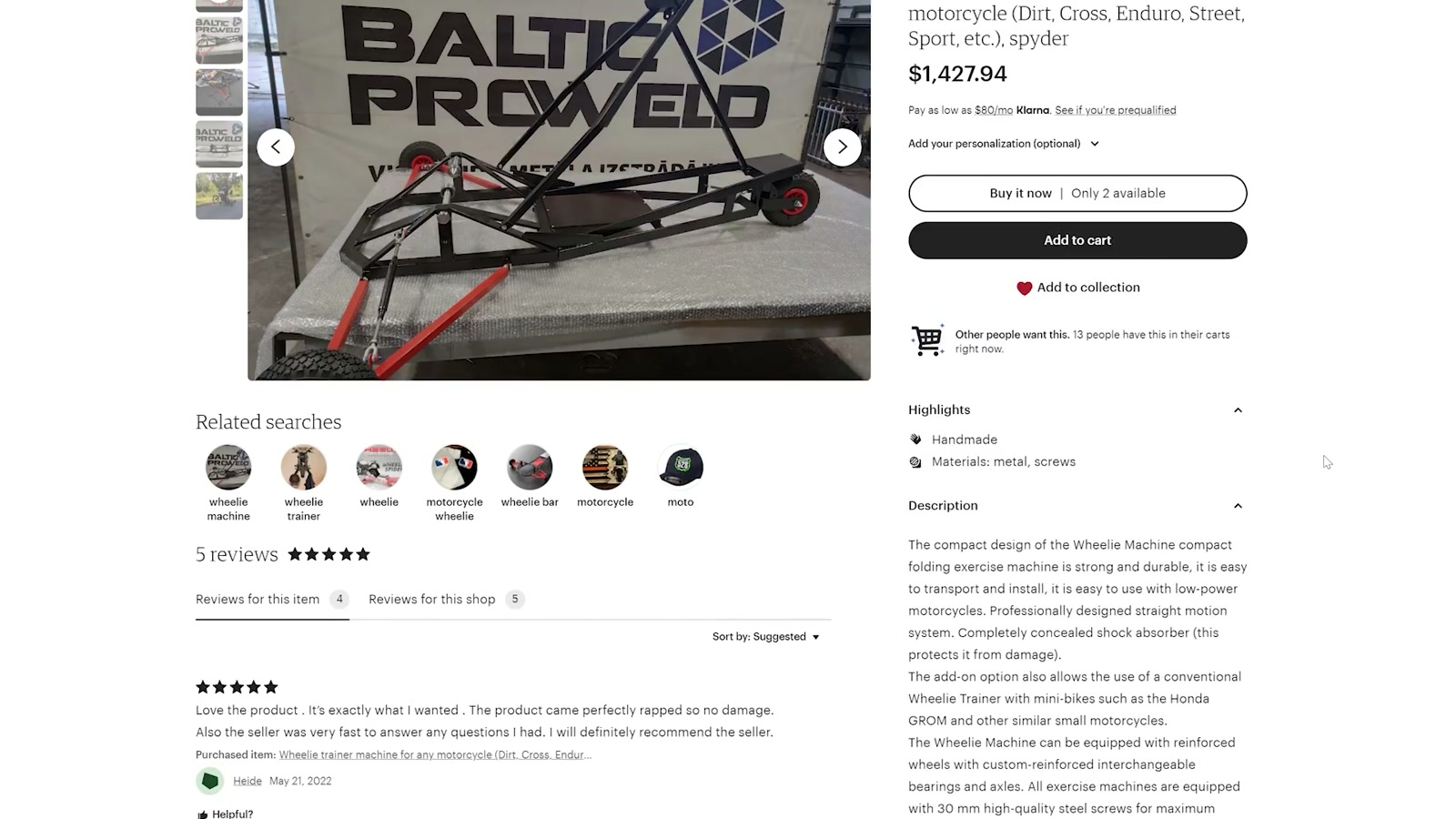
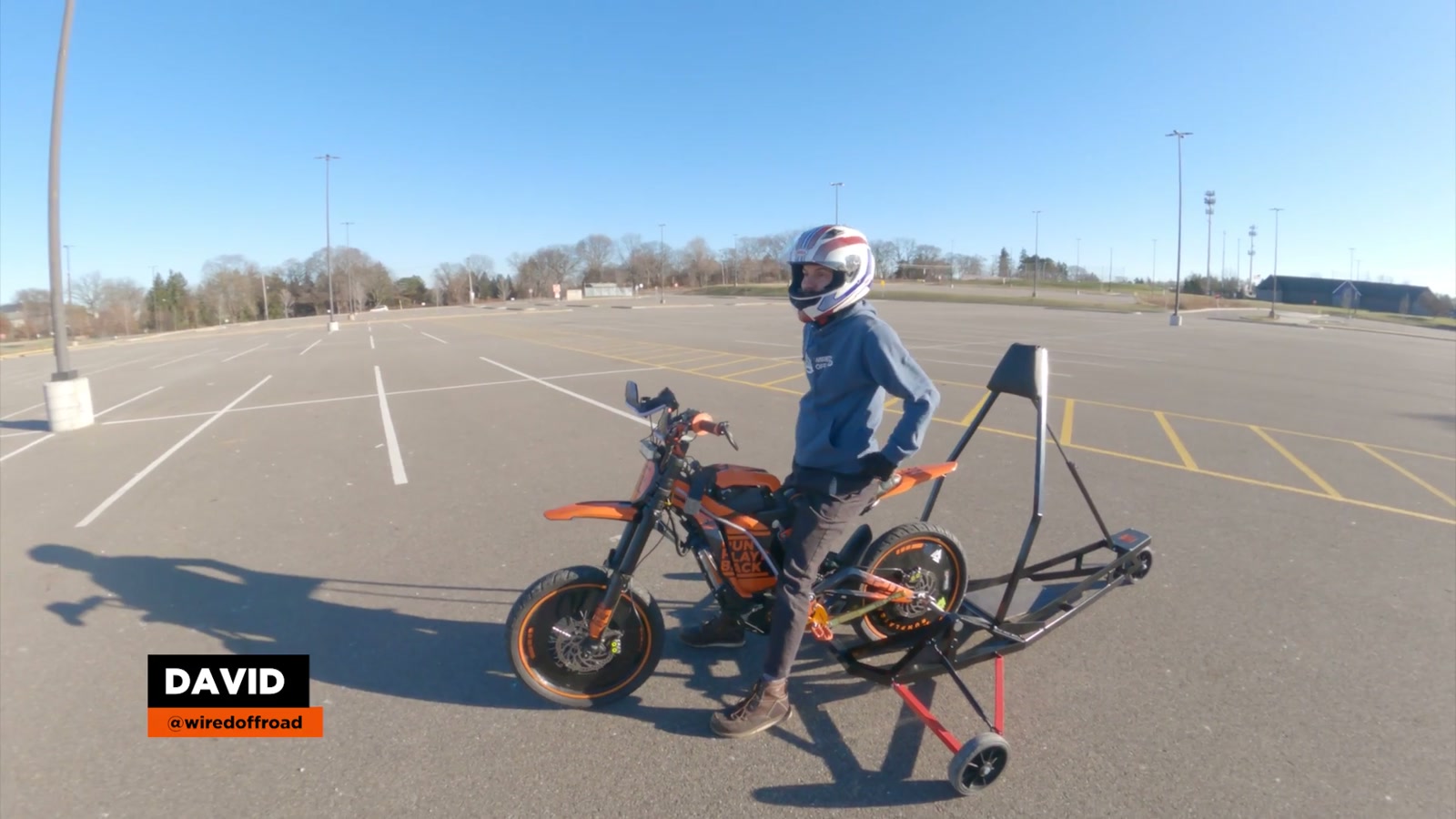
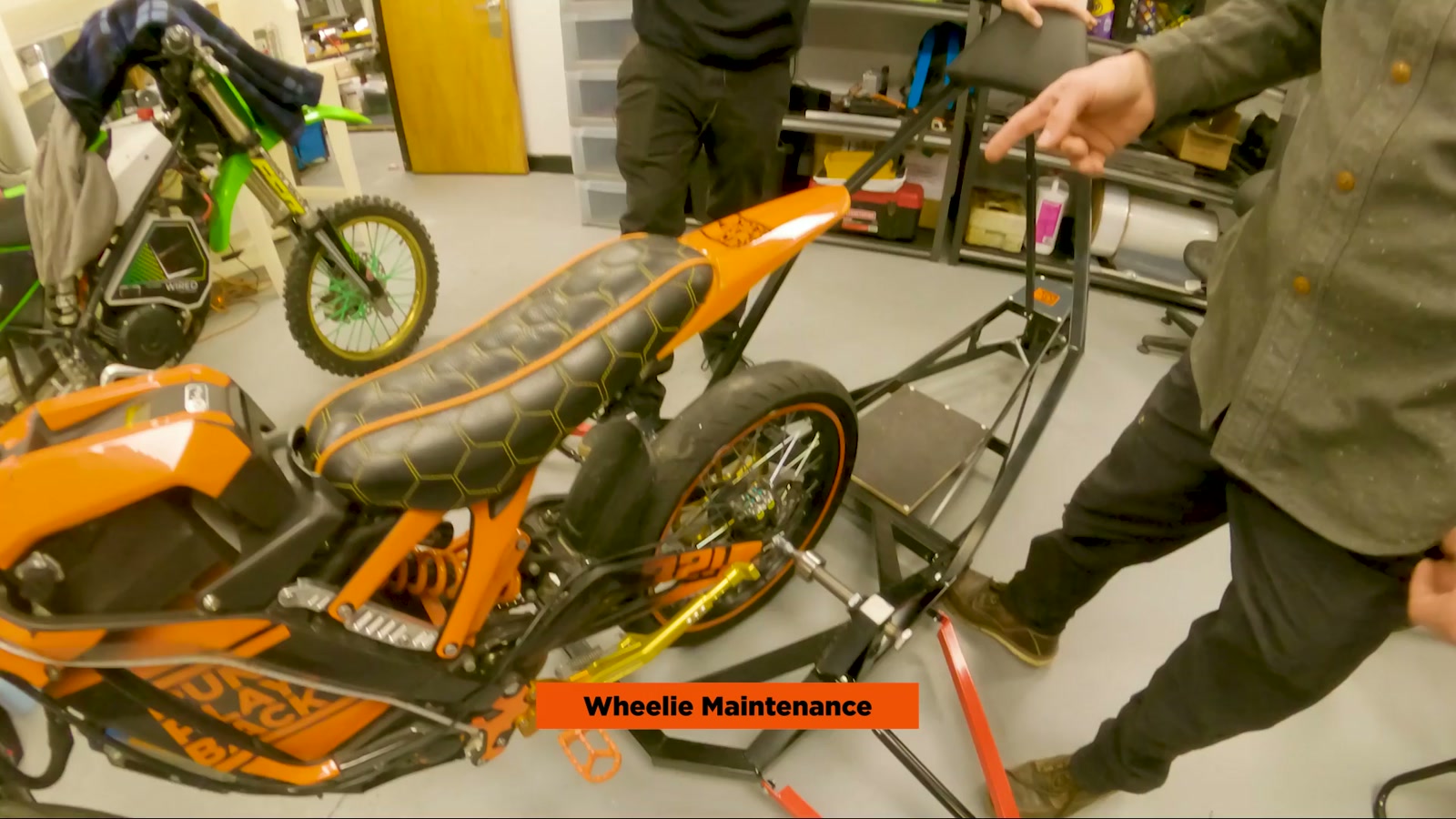
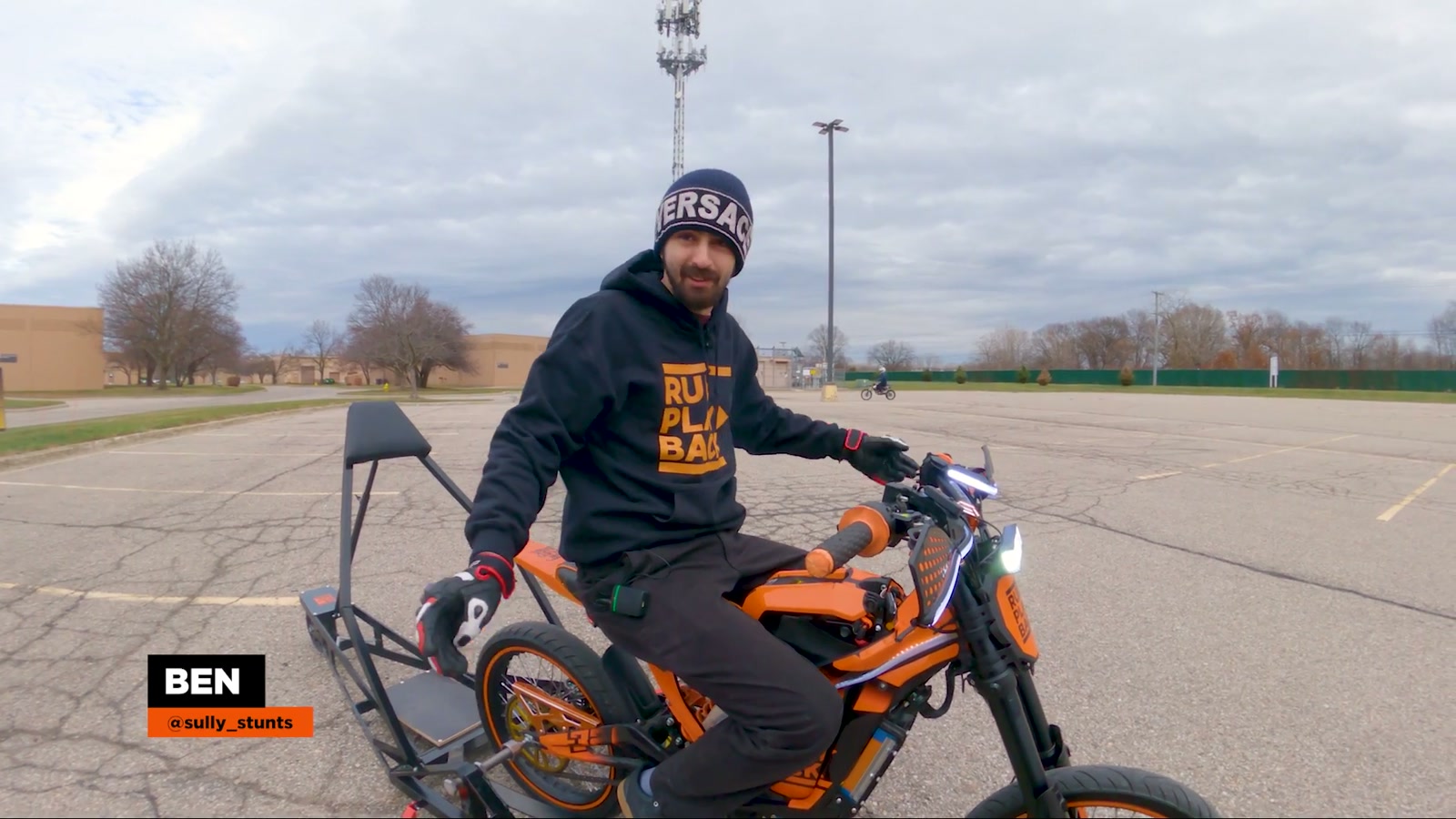
Out of the box, it’s a pretty simple setup: a frame that cradles the rear wheel, adjustable arms, and a rear “seat catcher”/stopper with padding.
Two immediate impressions:
It’s bigger than I expected.
It’s also lighter than it looks, which matters because you don’t want a ton of weight dragging and changing everything about how the bike behaves.
One piece did show up bent from shipping. I was able to bend it back into shape without turning it into a project.
Install and Setup: Not Hard, But It’s Not Plug-and-Play Either
Mounting it is more about adjustment than “assembly.” The big goal is getting the bike centered and solid, then setting the trainer height so the rear wheel sits correctly and the machine tracks straight.
The setup that mattered most for me:
Adjusting the tie rods
You adjust height side-to-side by twisting the tie rods. Once it’s close, you lock it down with the lock nuts.
Setting the rear stopper (the back pad)
This is the confidence lever. Too close and you’ll rely on it like a safety net instead of learning rear brake control. Too far and you’ll feel like you’re free-soloing the balance point.
I ended up liking it set so I could get back far enough to feel the balance point, but not so close that it “saved” me the second I got near 12.
The First Ride: Instantly Less Fear
The first time I rolled it, the machine was loud (it’s a big metal structure with wheels and contact points—noise happens). But within seconds I felt noticeably calmer.
The biggest change was mental.
I could finally bring the bike up without that involuntary panic that usually makes me shut the throttle and slam back down. With the trainer there to prevent a full loop out, I was free to focus on the real skill:
Smooth throttle input
Finding and hovering near balance point
Using the rear brake deliberately
And in just a few minutes, I got multiple reps where I felt that “weightless” balance point sensation that I could never reliably reach before.
Slow Wheelies Are Where This Thing Shines
I wasn’t trying to chase wheelies out fast. I specifically wanted slow, controlled balance point practice.
That’s where this trainer makes the most sense.
It holds you straighter than real life. That’s both a benefit and a limitation:
Benefit: you can practice the core feeling of balance point without constantly fighting side-to-side wobble.
Limitation: it doesn’t teach left/right correction the way an actual wheelie does.
But as a “bridge” tool—something that helps you cross from fear to familiarity—it worked extremely well for me.
Important Safety Note: Keep Your Feet On The Pegs
This is not the time to dab a foot.
There are multiple metal sections down low that can catch your foot if you drop it. I treated it like a hard rule: feet stay planted on the pegs.
Day Two: Tuning + Repetition = Real Progress
By the second session, everything started clicking more.
I spent time tuning my bike’s power delivery so the throttle felt more manageable. Once the bike was set up to match my skill level, the trainer became even more useful because I could focus on technique instead of trying to survive a twitchy response.
We also lowered the seat catcher so I could get further back and work the balance point more naturally.
By the end of day two I felt “dialed” in a way I just didn’t expect that quickly.
The Mods I Had To Do (Sur-Ron Specific)
This is where I need to be honest: it worked on the Sur-Ron, but I did have to address a couple weak points.
Rear axle interface issue
The Sur-Ron’s stock axle setup uses an internal Allen interface. With the trainer installed, the forces involved can cause the interface to start spinning and wear out the Allen slot over time.
I swapped to an upgraded axle designed for this use case.
Bearing/spindle fitment
I also ran into an issue where the spindle setup wasn’t letting the bearings do their job because of how the parts were stacking up. The result was rubbing and bearing damage.
After correcting that, the machine rolled the way it should, with the rotating parts rotating and the stationary parts staying put.
Brake maintenance (not optional)
Wheelie practice exposes weak brakes fast.
In my case, worn pads and a lever that pulled too far were a reminder that if you’re learning balance point, your rear brake needs to be consistent and confidence-inspiring.
How It Translates Off The Machine
This was the most interesting part for me.
When I took the trainer off, I immediately felt two things:
I was less afraid of looping out.
I could find balance point faster.
That’s the win.
But the trainer doesn’t teach everything. The moment it’s off, you’re introduced to the real-world dynamics that the machine can’t simulate:
side-to-side balance
micro-corrections with hips and bars
saving a wheelie that’s drifting
So no, it doesn’t replace learning how to fall or how to correct lean. It does, however, give you the confidence and reference point that makes practicing those next steps feel achievable.
Who This Is For
I’d recommend a Sur-Ron wheelie trainer machine like this if:
You’re struggling to reach balance point because the fear is blocking you
You want to build rear brake confidence with lower risk
You learn best through repetition and controlled progression
I wouldn’t buy it expecting it to:
make you a polished wheelie rider overnight
teach left/right correction on its own
replace real practice off the trainer
What We Like
It let me feel balance point quickly without the constant fear of looping out
Progress came fast because I could get more reps with less mental stress
Great tool for slow balance point practice and rear brake/throttle coordination
Surprisingly stable once adjusted correctly
Lightweight enough that it didn’t feel like I was dragging an anchor
Things To Consider
Sur-Ron fitment may require modifications and/or an upgraded axle
Setup matters a lot; expect some trial-and-error dialing in height and stopper position
It keeps you tracking straighter than real life, so it won’t teach side-to-side correction
Keep your feet on the pegs; there are places your foot could get caught if you dab
Wheelie training will expose brake and pad wear—make sure your rear brake is on point
Final Thoughts
This wheelie machine didn’t turn me into a stunt rider, and it’s not supposed to.
What it did do was remove the biggest barrier I had: the fear of committing to balance point. Once I knew what balance point actually felt like—and I could repeat it over and over—the rest of the learning process finally made sense.
If you’re the kind of rider who’s willing to put in the work but you want a safer, faster way to get over the initial hump, this is one of the most effective training tools I’ve tried on the Sur-Ron.