
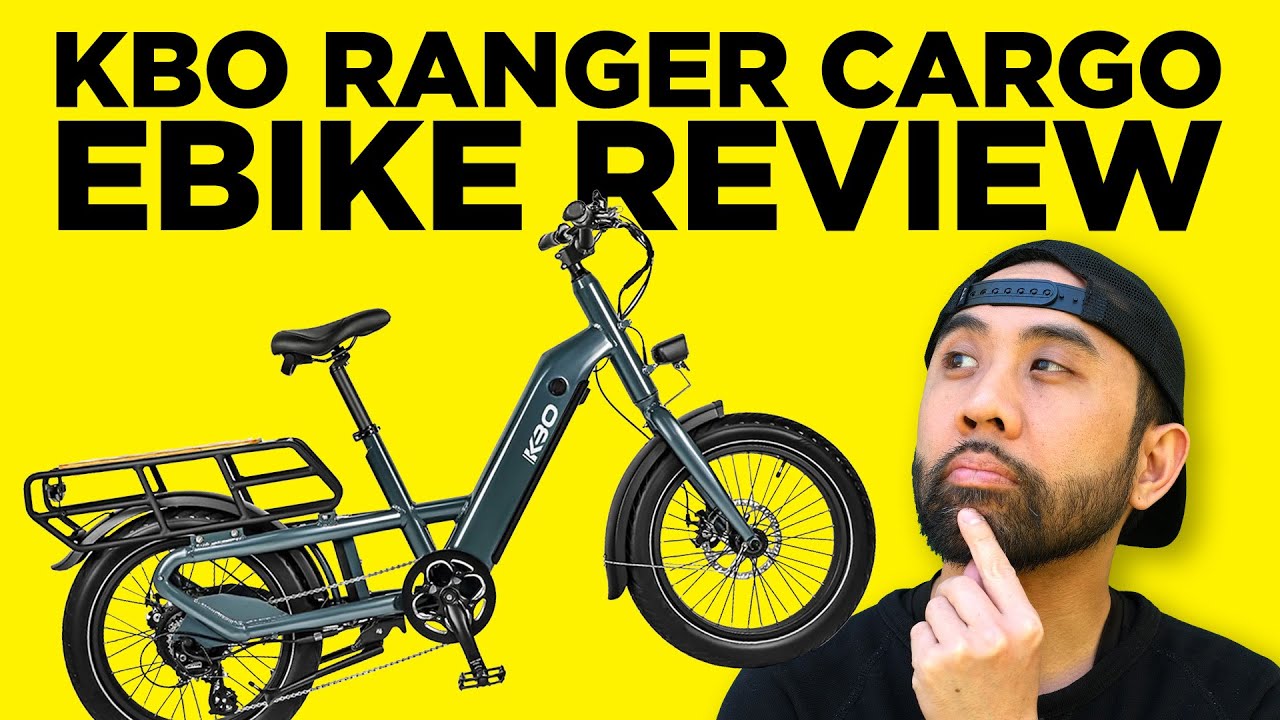
KBO Ranger Cargo E‑Bike Review: A Budget-Friendly Hauler That Feels Surprisingly Nimble
December 1, 2022
Some links in this article may be affiliate links. If you buy through them, we may earn a small commission at no extra cost to you.
Cargo e-bikes can be weird.
Read more: KBO Ranger Cargo Electric Bike and BELL Super 3R MIPS Adult Mountain Bike Helmet
Read more: KBO Ranger Cargo Electric Bike and BELL Super 3R MIPS Adult Mountain Bike Helmet
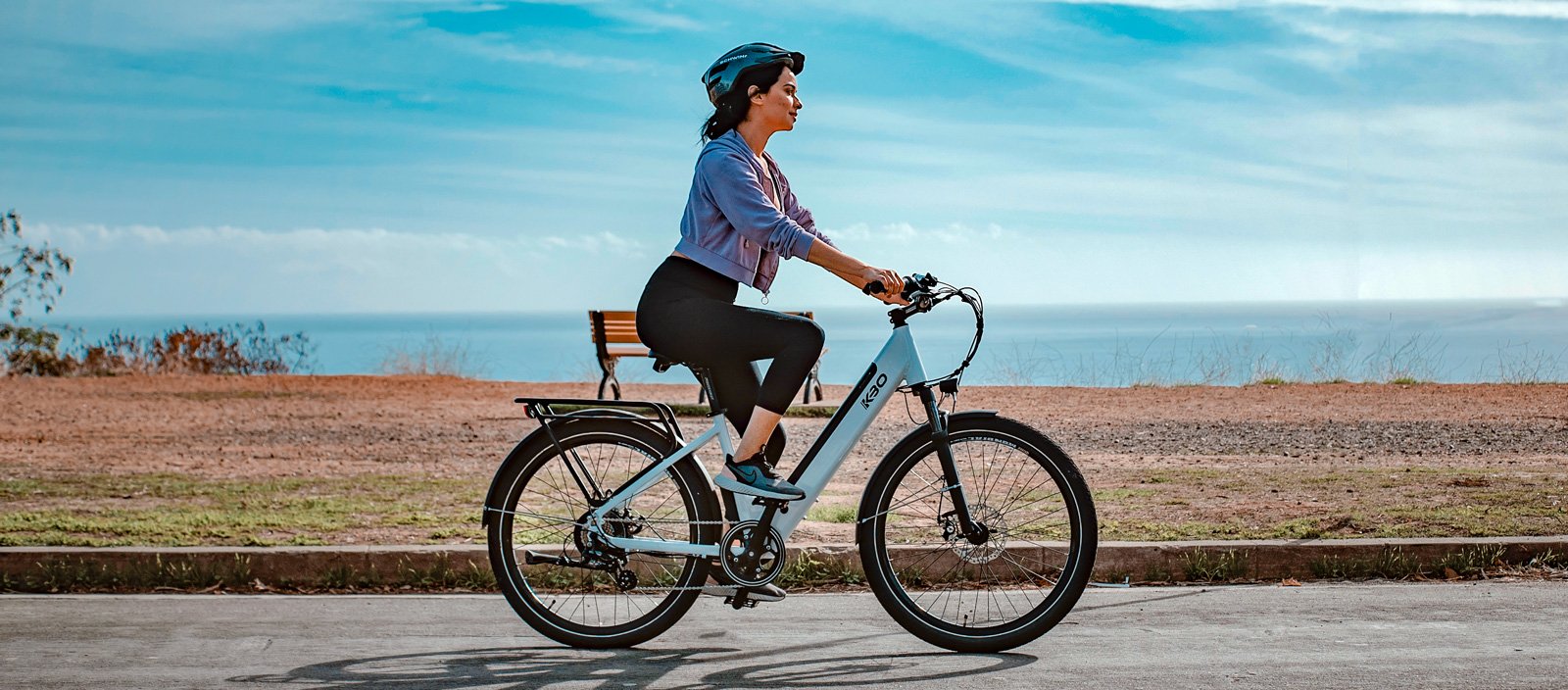
Some feel like you’re steering a stretched limo on two wheels, and others have that awkward rear-heavy balance that makes every low-speed turn feel sketchy—especially once you actually start using the cargo rack.
After assembling and riding the KBO Ranger, I came away genuinely impressed by how normal it feels to ride for a long utility bike—especially considering the price point (it’s positioned around the ~$1,700 mark).
Here’s what it was like living with it, how it rides in the real world, and who I think it makes sense for.
A quick unboxing + assembly reality check
The box is big and the bike is hefty (the packaging listed it around 98 pounds). This is not a “toss it on the roof rack” kind of e-bike.
Assembly itself was refreshingly straightforward. The major steps were what you’d expect: front wheel, handlebar, pedals, plus smaller bits like the headlight and the foot rests.
If you’ve built an e-bike from a box before, nothing here felt intimidating. If you haven’t, it’s still doable—just give yourself space, time, and patience because the bike is long and weighty.
Design that’s clearly built for errands
The Ranger has that long-tail cargo profile, but it looks clean in person. Mine came in a cool gray that reads kind of “space gray” with subtle branding.
What stood out immediately:
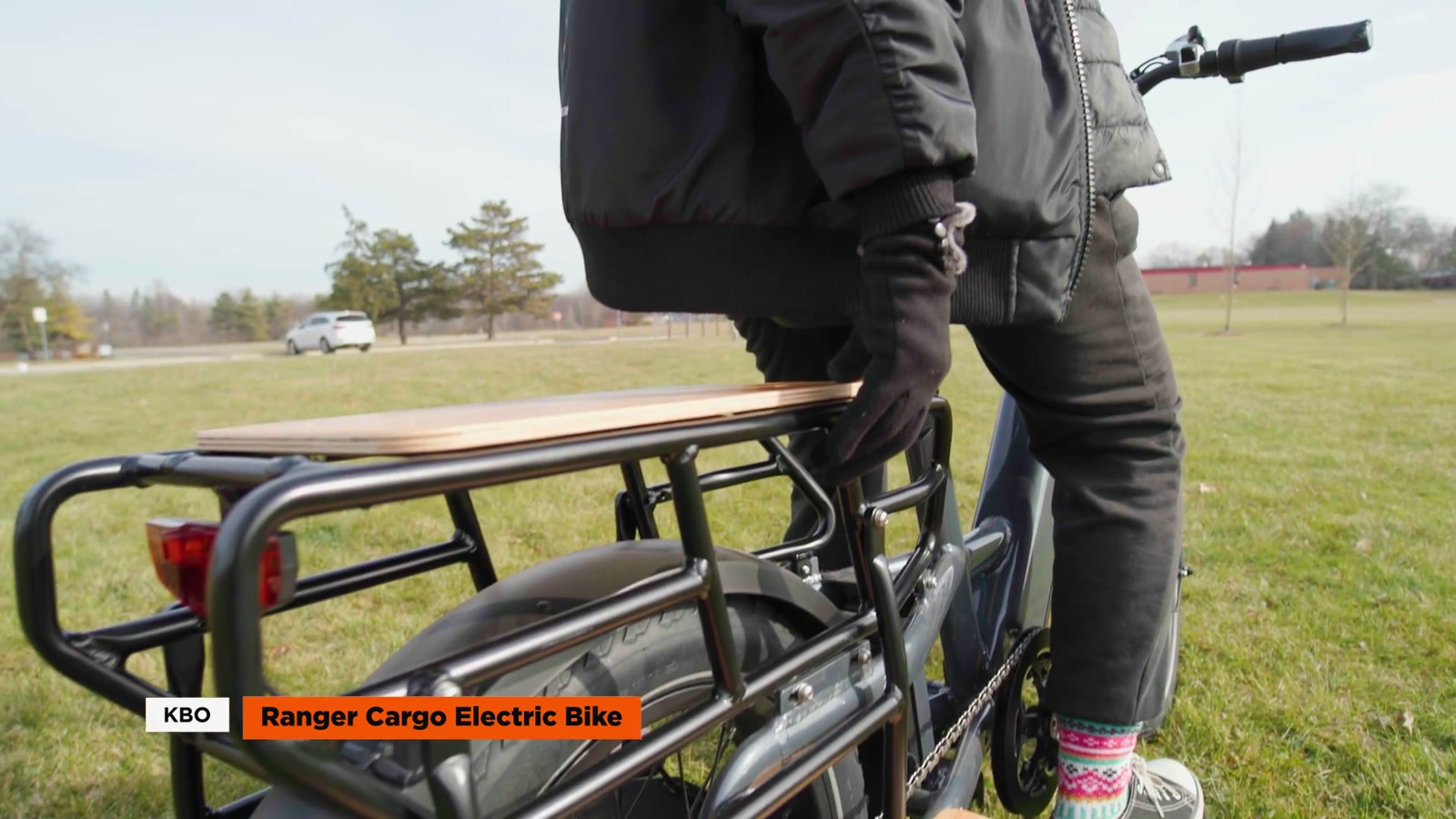
Integrated frame + rear rack: It looks and feels like one unified utility platform, not a rack bolted onto a regular bike.
Step-through frame: Easy on/off, which matters a lot once you’re stopping constantly for errands—or if you’re carrying a bag.
Double kickstand: The bike sits up high when parked, and that’s on purpose. It helps keep things stable when you’re loading cargo onto the rear.
The rear cargo area is the whole reason to buy a bike like this, and there’s plenty of usable real estate back there. I could easily see seats, a crate, baskets, or delivery gear working well—plus the foot rests open up more options for mounting and passenger use.
Controls and everyday usability
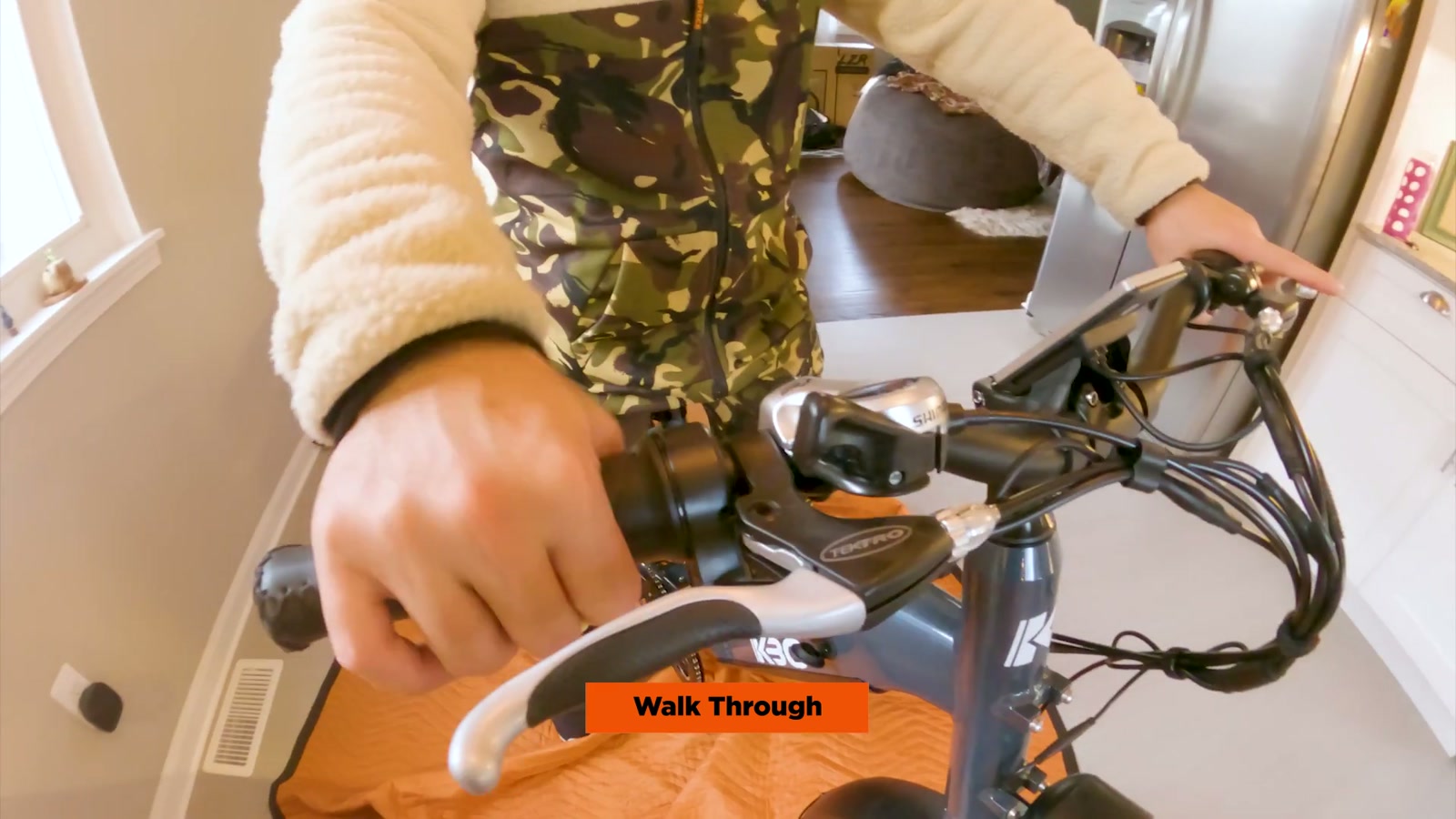
The cockpit is simple and minimalist.
I got:
A basic black-and-white LCD that shows the essentials (speed, battery, assist level, etc.)
Five levels of pedal assist
A half-twist throttle
Integrated headlight and brake light
I like this style for a utility bike. Less fuss, fewer things to distract me, and it’s easy to read at a glance.
Battery access is also practical: it’s integrated into the frame and removes with a key, and there’s a charging port on the battery plus an external-access port on the bike.
First ride: the big surprise is how maneuverable it feels
The first thing I noticed rolling out was how easy it is to get moving and settle in.
Even though it’s a long cargo bike, it felt super maneuverable. Tight turns weren’t scary, and it didn’t feel like the rear end was constantly trying to boss the front end around.
On pedal assist 1, it felt calm and controlled—great for cruising.
On pedal assist 5, the power comes on immediately. It’s a quick, assertive hit, and you can tell it’s tuned to get a loaded bike moving without hesitation.
The throttle impressed me too. The output felt smooth—especially going uphill—so if I wanted to “lazy commute” or just keep my effort low while hauling, it delivered a steady push.
How it handles on rough streets (and why pavement matters)
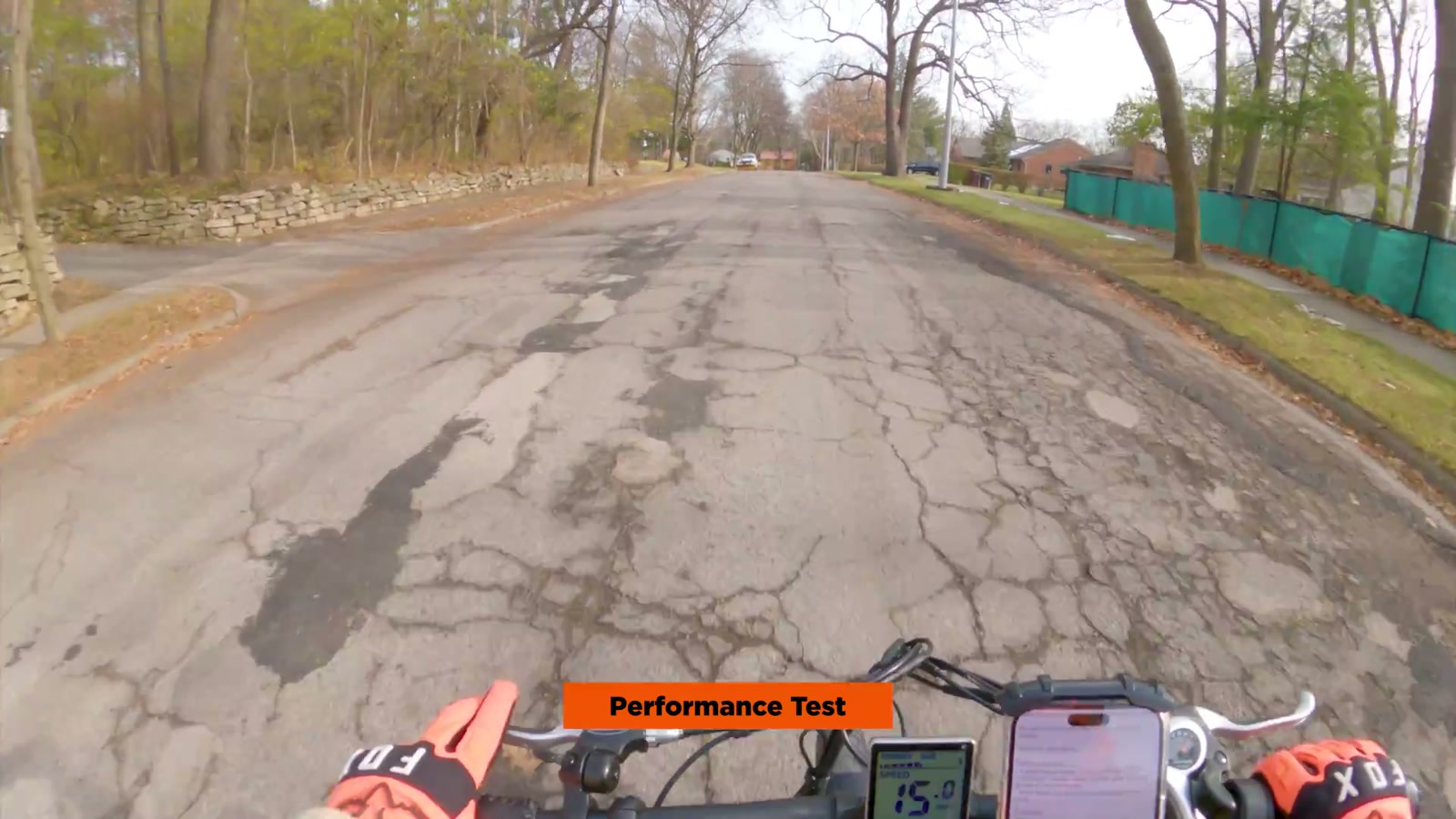
There’s no suspension here, and you feel that right away.
On smooth streets and bike lanes, the Ranger makes a ton of sense.
On uneven pavement, you’ll feel the bumps—especially if your roads look anything like mine. The 20-inch wide tires help take the edge off, but they’re not magic. I found myself standing up a bit at times just to absorb the chatter.
Also, because the bike is long, quick turns can make the rear feel like it wants to “fishtail” slightly. It’s not out of control, but it’s something to respect—especially once you start adding weight to the back.
Braking and general confidence
The brakes felt strong and confidence-inspiring, and I didn’t get annoying squeal during my ride.
Overall, the bike felt calibrated: power delivery, balance, and braking all worked together in a way that made me comfortable pretty quickly. That’s not something I automatically expect from budget-minded cargo e-bikes.
Cargo-bike reality: it’s a car-replacement tool, not a trail bike
In daily-life terms, this is the kind of setup that makes errands feel easy:
Grocery runs
Farmers market trips
Local supply pickup
Food delivery
It’s very clearly designed for urban commuting and carrying stuff, with mounting points and a big usable rear platform.
If you’re hoping to treat it like an off-road explorer, it’s the wrong category. The tires and overall setup are much more “city utility” than “dirt adventure.”
Range expectations (and how I’d ride it)
The advertised range depends heavily on assist level, terrain, and rider weight. With a cargo bike, it also depends on how much you load onto the rear rack.
My practical takeaway is simple: if you live in pedal assist 5 and use throttle a lot, plan accordingly. This bike feels best when you ride it like an efficient urban utility vehicle—smooth pavement, smart assist usage, and throttle when it helps.

What We Like
Super maneuverable for a long cargo bike
Smooth throttle feel, especially on inclines
Integrated rear rack design feels utility-first and solid
Easy step-through frame for frequent stop-and-go riding
Simple, minimalist controls that work well for commuting
Double kickstand helps a lot for loading/unloading cargo
Strong, confidence-inspiring braking feel
Great value positioning compared to many name-brand cargo bikes
Things To Consider
No suspension: rough streets will feel rough
Long-bike handling: quick turns can make the rear feel a bit wobbly, especially once loaded
Best on smooth pavement and bike lanes rather than broken roads or off-road paths
I’d add rear-view mirrors immediately for safer city riding
Final Thoughts
The KBO Ranger surprised me—in a good way.
I’m usually skeptical of budget cargo e-bikes because the ride quality and tuning are where corners get cut. Here, the overall feel was balanced and well thought out. It’s easy to ride, the power delivery makes sense for hauling, and it doesn’t feel like a compromised “cargo rack add-on” bike.
If you want a practical, budget-conscious way to replace car trips with an e-bike (especially errands and local commuting), the Ranger is a really compelling option—as long as your routes aren’t full of potholes and broken pavement.