

Super73 Z1 48V Upgrade: My Real-World Test Ride (More Power, More Confidence)
July 29, 2020
Some links in this article may be affiliate links. If you buy through them, we may earn a small commission at no extra cost to you.
I’ve ridden the Super73 Z1 enough in stock form to know its personality: fun, simple, and easy to live with—but also the kind of bike that can leave you doing range math in your head if you wander too far.
Read more: Want a discount on your Super73? Use my promo code here and Ebike 48v 9 Mosfet Sine Wave Controller + Display
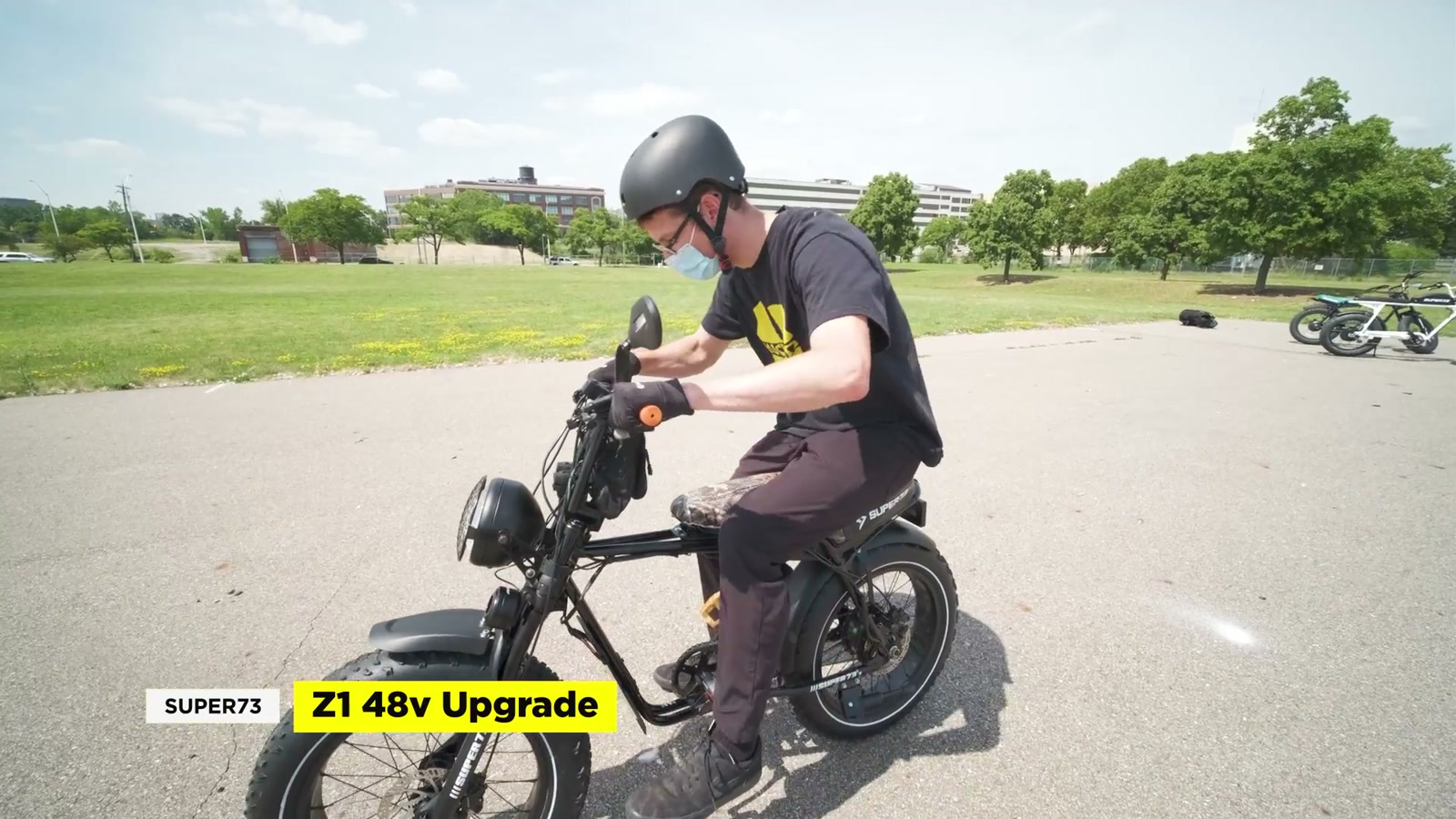
So I went all-in on a 48V upgrade, put some real miles on it, and treated it like I would any EV in my day-to-day life: short errands, quick city runs, and repeated rides across multiple days to see how it actually holds up.
Here’s what it’s like living with a 48V Z1.
The setup I tested (and why it matters on the road)
The biggest change isn’t just “more volts.” It’s how the bike feels when you ask for power.
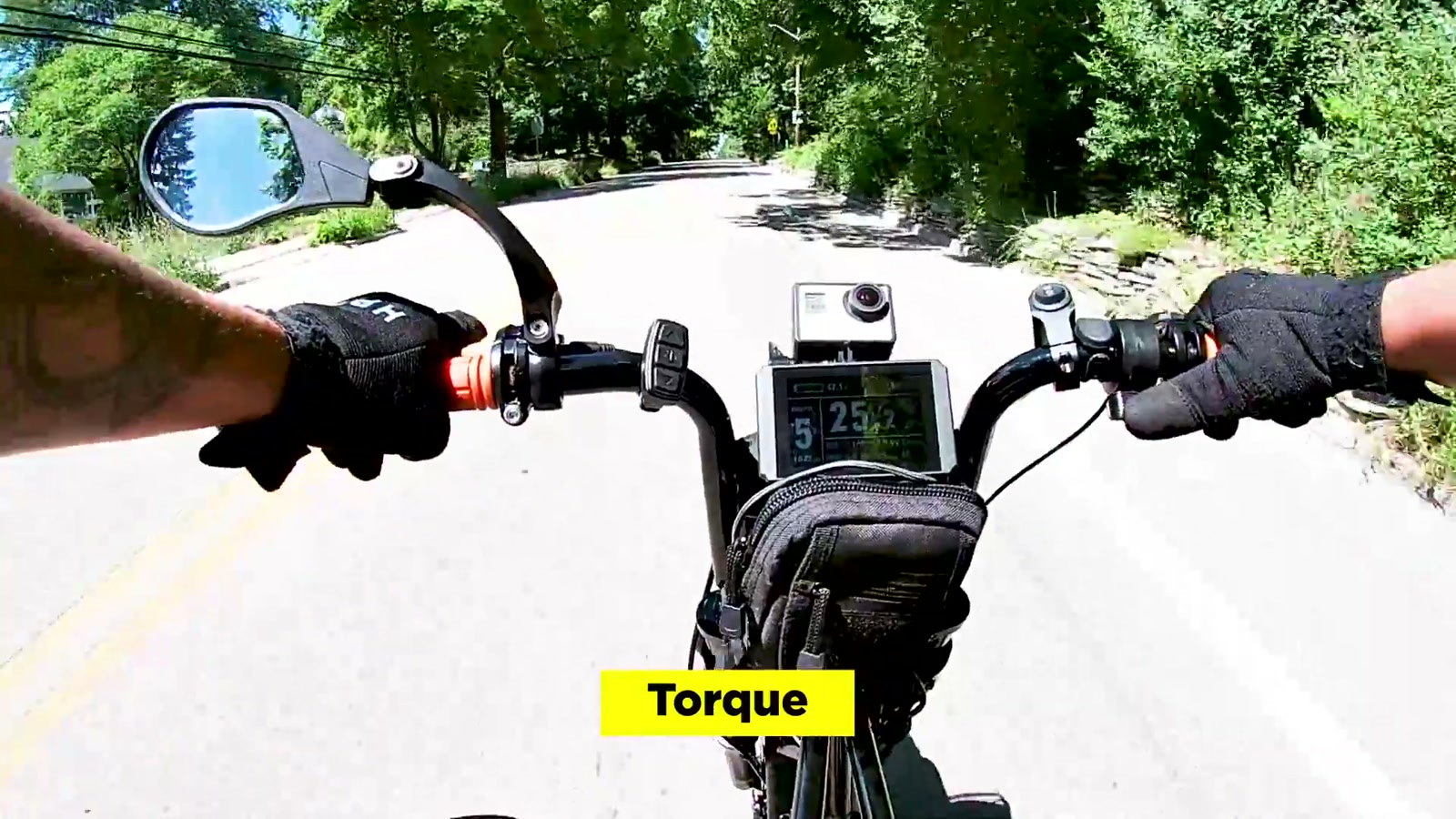
With the upgraded controller and display, I get a much clearer picture of what’s going on while I’m riding—voltage, temps, and a tunable power/limit setting that affects the bike’s behavior.
I also calibrated the speed readout using GPS and wheel diameter settings so the mph on the display matched real-world speed. That calibration step matters because it’s the difference between “my bike says it’s fast” and actually knowing what it’s doing.
First ride impression: it doesn’t feel like the same Z1
The most immediate difference is the throttle response.
On stock power, the Z1 is predictable and mellow. With the 48V upgrade, the bike feels eager—like the throttle curve got sharpened. The hit off the line is much stronger, and it gets up to cruising speed with less effort.
It also has that slightly unruly “this wants to lift the front end” vibe if you aren’t ready for it. Not in a scary way if you ride responsibly—but the bike definitely demands a bit more rider attention than a stock Z1.
If you’ve ever wished your Z1 felt more like it had that punchy, torquey “EV snap,” this upgrade gets you closer.
Torque and throttle: quick, responsive, almost too fun
This is where the upgrade earns its keep.
Because it’s a hub motor, you already get that instant rotational push. The upgraded controller amplifies that effect with a more responsive throttle curve. The result is a Z1 that jumps forward when you roll on throttle—especially from a stop.
If you’re used to the stock controller, the first few launches can feel surprisingly aggressive. It’s the kind of change that makes the bike feel more “alive,” but it’s also why I think this setup rewards smooth inputs.
Top speed: fast enough to be useful (and then some)
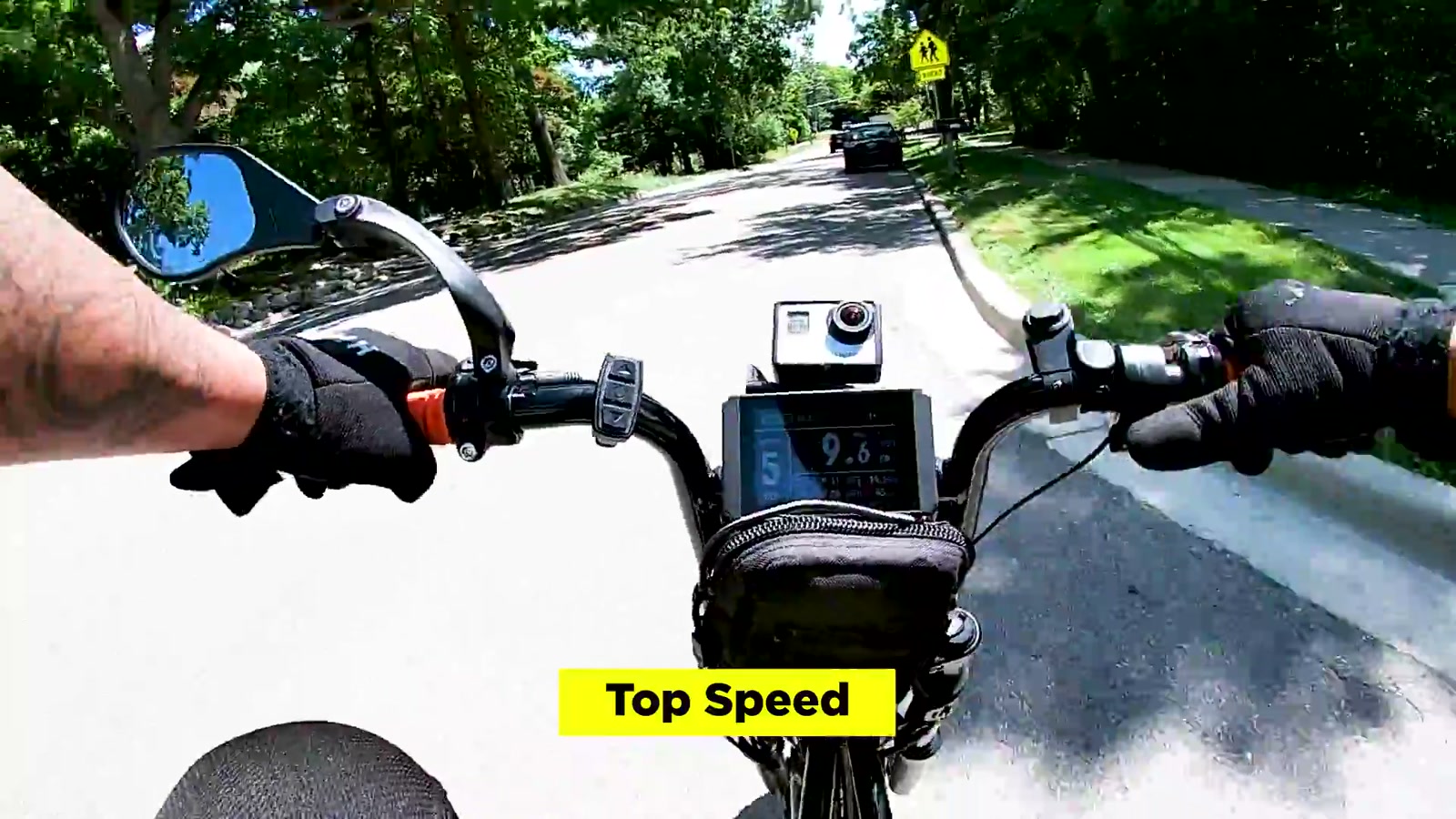
After calibrating with GPS, I did a top-speed run and saw about 36 mph on a downhill stretch.
That’s firmly in “more than I really need” territory on a Z1, but it’s still useful in a practical sense: having extra speed on tap can help you keep pace briefly with traffic flow when it’s appropriate, instead of feeling like you’re always being hunted from behind.
That said, I don’t treat this like a bike you should pin at max speed all day. The Z1 motor is still the Z1 motor. I look at the speed as headroom—not a cruising target.
Range confidence: the biggest quality-of-life upgrade
Stock, my real-world range experience has been around 15 miles.
With the 48V battery I tested, the big change wasn’t just “a few extra miles.” It was the confidence to actually take longer rides without constantly worrying about getting stranded.
In regular use—city-style riding with bursts of throttle and cruising around roughly 20 mph—I’m comfortable estimating around 30+ miles.
What made that feel real to me was the pattern of use: I was able to ride for three to four consecutive days of 30–45 minute sessions without recharging. That’s exactly the kind of EV lifestyle win that changes how often you choose the bike over a car.
A note on the battery listing
The battery I used was listed as 48V 20Ah (which would imply roughly 960Wh), but after digging into pack configuration math, I’m skeptical the capacity is truly 20Ah. My best guess is it’s closer to 12–14Ah.
Even with that uncertainty, the practical range improvement was still significant for how I ride.
Tire change: tougher, heavier, and it changes the ride feel
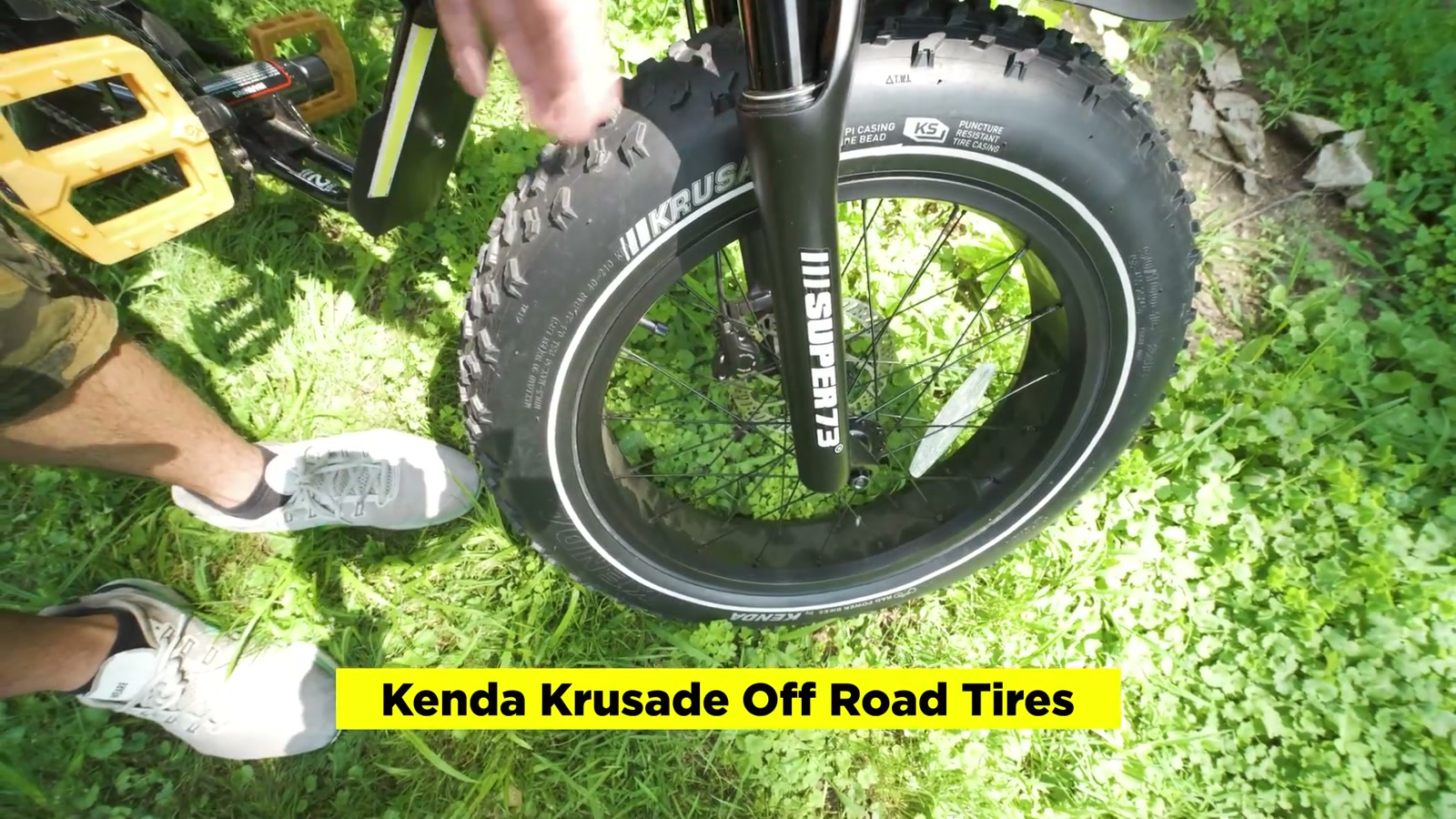
I also swapped to Kenda Krusade 20x4 off-road tires.
They feel more heavy-duty than the stock street tires, and the built-in puncture-resistant liner is a big deal if you ride in areas with glass, debris, or sketchy shoulders.
Two things I noticed immediately:
They add weight. You can feel it compared to the lighter stock tires.
They make a cool, more aggressive rolling sound.
For my riding, the durability tradeoff is worth it.
Lighting and power switching: making it more “daily usable”
I added fog lights tapped into the 48V battery with a physical switch. In real use, the benefit is simple: more usable light on the ground at night, which makes night riding feel less like you’re overdriving the headlight.
I also ran a Luna Cycle solid state switch. The anti-spark feature is the unsung hero here—hot swapping batteries can chew up connectors over time if you get those big sparks. Plus, having a physical kill switch is a legit safety and convenience upgrade.
How it changed the way I ride
After living with it for a bit, this mod changed my riding behavior in a few ways:
I ride farther because I’m not constantly range-anxious.
I accelerate less aggressively than I initially wanted to, because the bike responds instantly.
I treat full-throttle, high-speed runs as occasional bursts, not a steady-state setting.
There’s a lot of power available quickly, and that’s fun—but I’m also thinking about longevity. I don’t want to cook a motor by riding it like a mini motorcycle 24/7.
What We Like
Feels like a completely different bike off the line
Much better range confidence for city riding and longer cruises
Display data (voltage, temps, etc.) makes the bike feel more “EV-like” and manageable
Extra speed headroom can help you keep pace when needed
More control and tunability once everything is calibrated
Tire upgrade adds real puncture resistance for rougher streets
Anti-spark/kill switch setup is a smart safety and connector-saving upgrade
Things To Consider
The throttle response is aggressive; it can catch you off guard
Sustained high-speed, full-throttle riding isn’t something I’d recommend on a 500W-rated motor
Off-road tires add weight versus stock street tires
Some battery listings can be misleading—verify what you can and set expectations accordingly
Extra power means you should take braking, traction, and overall bike setup more seriously
Final Thoughts
This 48V upgrade gave my Super73 Z1 the two things I wanted most: stronger real-world power delivery and the freedom to ride without constantly worrying about range.
It’s not just a “faster Z1.” It’s a Z1 that feels more capable—more like an EV you can actually build around. Between the punchier throttle, better cruising confidence, and a setup that supports accessories and real lighting, it fits the kind of practical, daily-rider ebike lifestyle I’m after.
If you’re comfortable wrenching (or learning), and you want your Z1 to feel less like a toy and more like a tool, this is one of the most dramatic transformations you can do.