
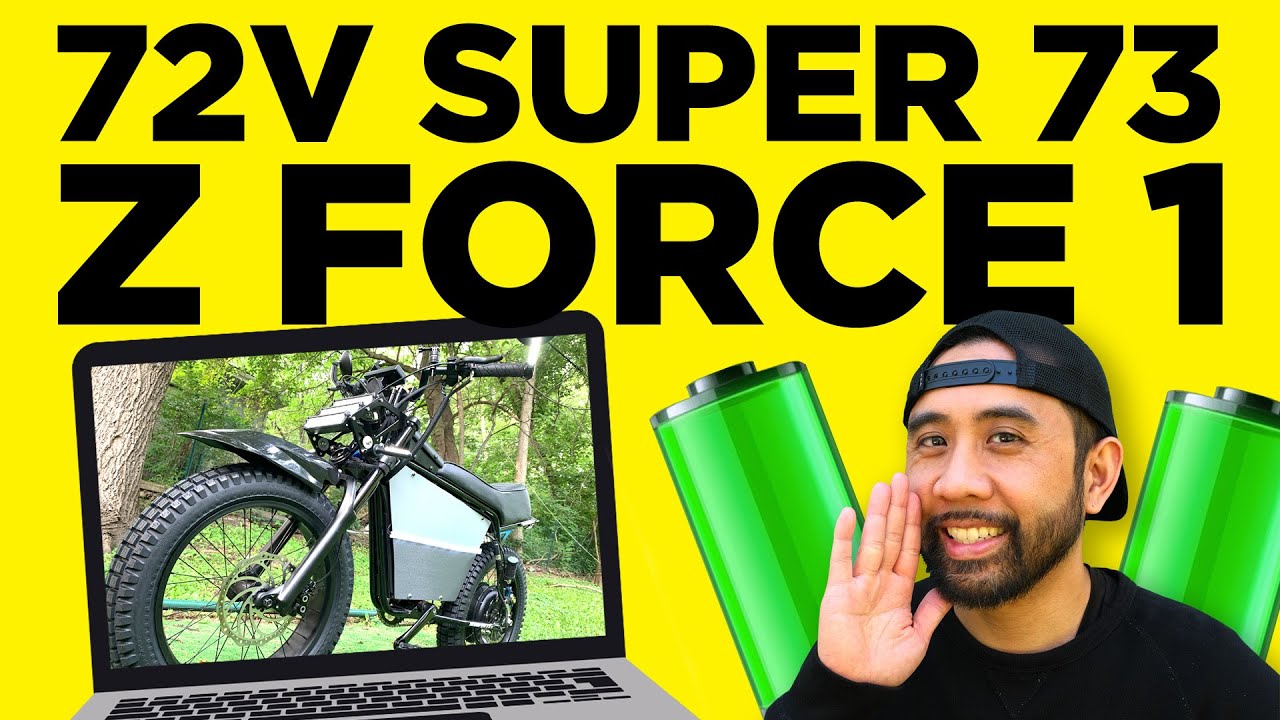
Z Force 1: My 72V Super73 Z1 Science Project (Phaserunner + DD45 + DIY Moto Lighting)
July 29, 2021
Some links in this article may be affiliate links. If you buy through them, we may earn a small commission at no extra cost to you.
I’ve owned a Super73 Z1 long enough to know what it is at heart: a small, simple, fun little frame that begs to be messed with. And at some point my Z1 stopped being a “bike I ride” and turned into a full-blown EV science project.
Read more: Want a discount on your Super73? Use my promo code here and Grin Technologies
This build is what I call Z Force 1: a 72V Super73 Z1 with a Grin Technologies control setup, a direct-drive hub motor, regen braking, a custom electronics enclosure, and lighting that leans more motorcycle than bicycle.
Is any of this necessary? Not even a little. But if you love tinkering, tuning, and squeezing ride quality out of hardware, this setup is a ridiculously satisfying rabbit hole.
The goal: make the Z1 feel smooth, controlled, and tunable
I wasn’t chasing “cheap speed.” I wanted refinement.
The big change in this build is going from a typical e-bike controller feel (often abrupt, a little on/off, and very “dump power at it”) to something that feels like it’s constantly managing traction and load.
That’s where the Grin Phaserunner and Cycle Analyst combo comes in. The ride experience with this controller is the entire point of Z Force 1.
The heart of the build: Grin Phaserunner + Cycle Analyst
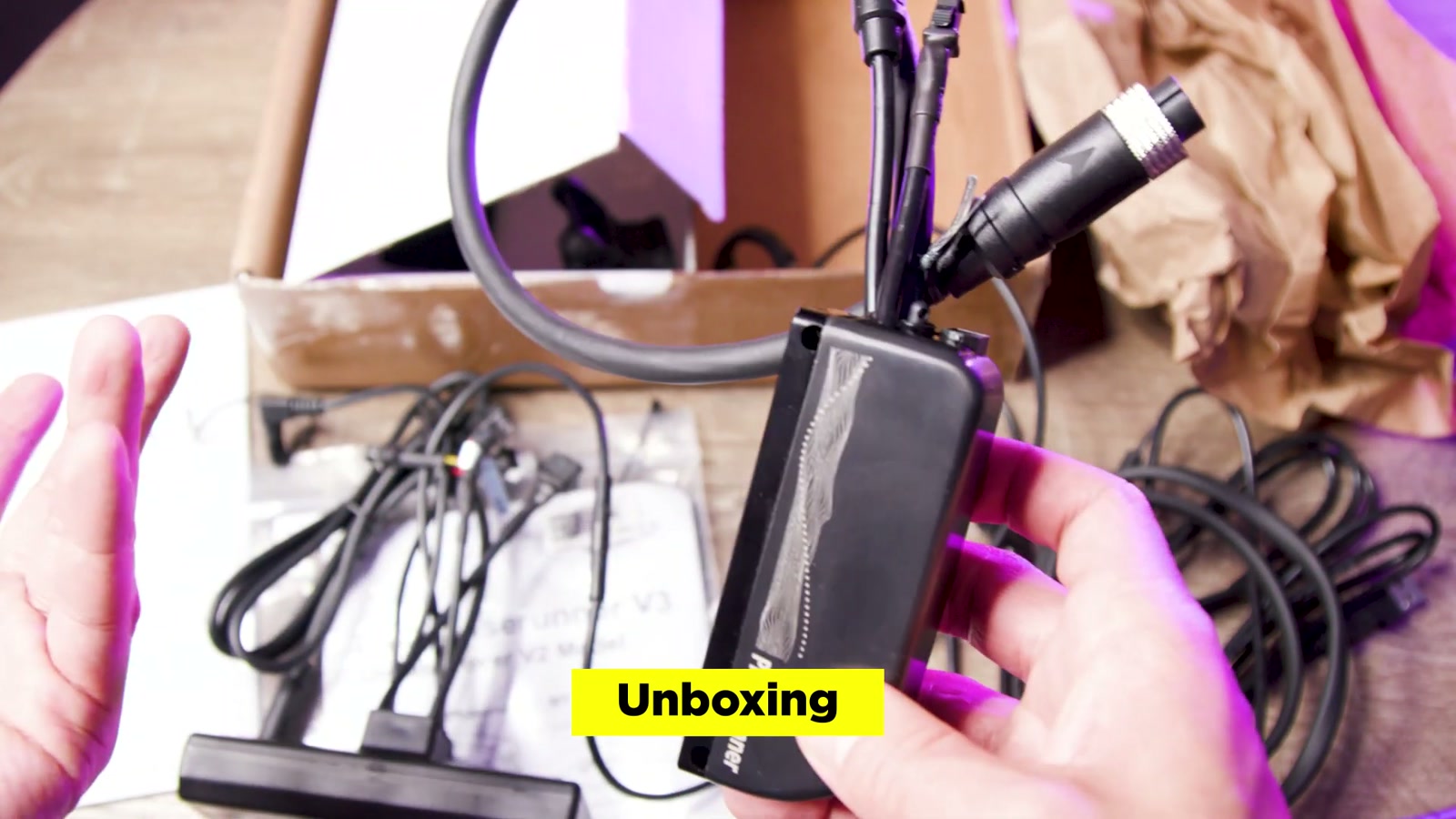
The Phaserunner is compact, waterproof, and designed for people who actually want to tune how an e-bike behaves.
What I felt immediately on the road was the difference in throttle behavior. Instead of that common “jump” you get with a lot of controllers, throttle response here is smooth and measured. It delivers torque in a way that feels controlled and consistent, even as speed changes or the load varies.
A few ride sensations stood out:
Smooth torque without the abrupt hit. It pulls hard, but it doesn’t feel like it’s trying to snap the bike out from under you.
A more natural ramp-down when you let off. It didn’t feel like pure on/off power; it felt managed.
A “dialed” feel at speed. Once it’s moving, it settles in and holds speed confidently.
I also ran field weakening for extra top-end. The cool part is it isn’t just a simple switch; it’s tunable. That’s the theme of this whole setup: the bike becomes something you can shape around how you ride.
Power and speed: fast enough to feel serious
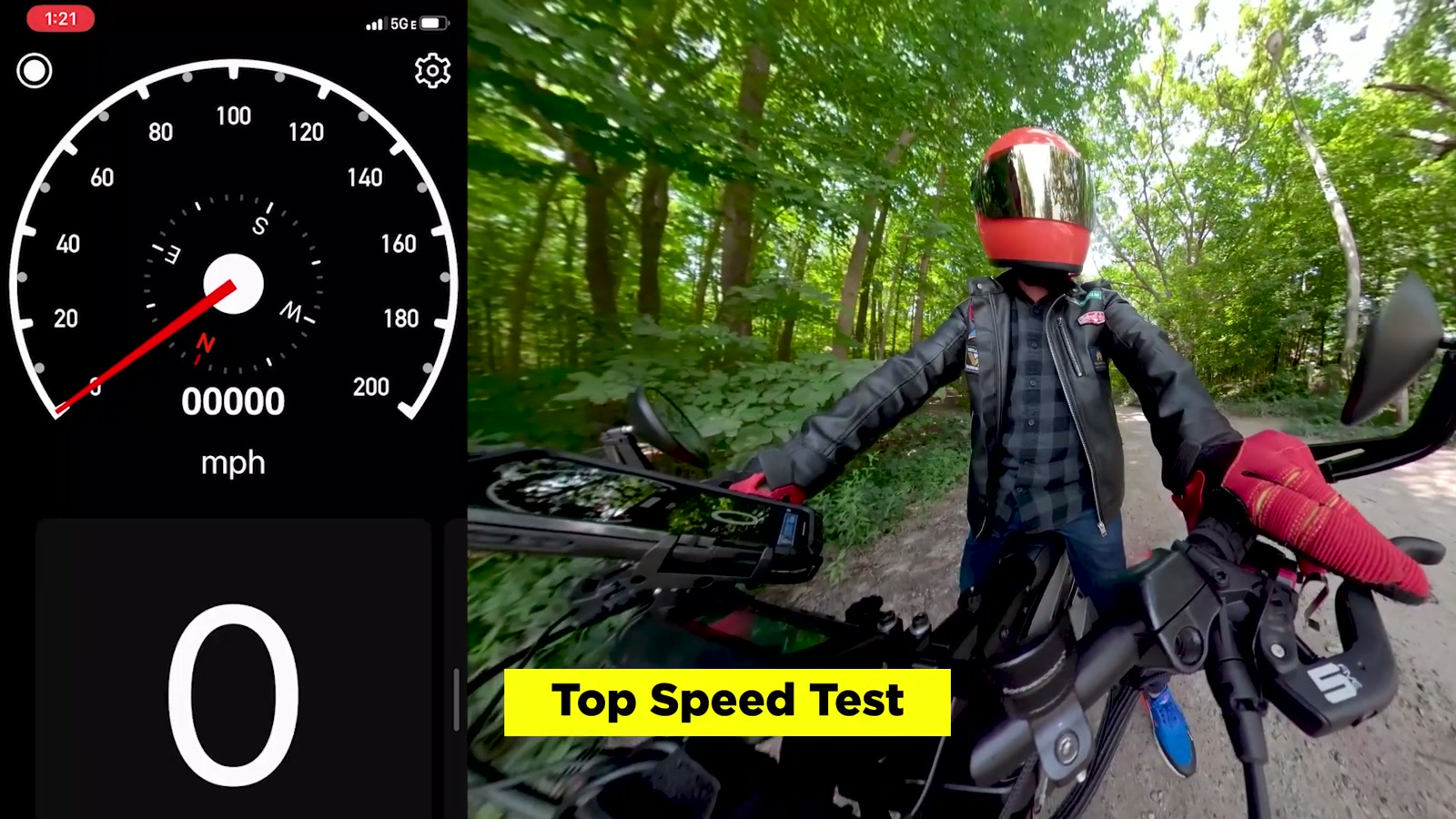
With the current tuning, I saw a top speed in the low-40s mph (42–43 mph in my testing). What surprised me wasn’t just the number—it was how composed it felt getting there.
That said, reality check: the Z1 is still a small bike. Personally, around 35 mph is where it feels like the sweet spot for this platform. Above that, things can get sketchy simply because of the bike’s size and the fact that you’re not on a full-size motorcycle chassis.
So yes, it’ll do more. But I don’t treat “more” as the goal.
Regen braking: less pad wear and a different feel
I set up regen braking through Magura e-brake hardware tied into the Cycle Analyst.
On the road, regen adds a distinct layer of control. It helps slow the bike without relying entirely on the pads, and it changes the way the bike feels when you’re managing speed—especially when you’re riding briskly and want smoother decel.
In my setup, regen also gave a modest range benefit (the system can recapture some energy). The bigger win for me is reducing brake wear and adding that controlled, EV-style slowing sensation.
Motor choice: XOFO DD45 direct-drive hub
I went with a custom-built 3000W XOFO DD45 direct-drive hub motor.
On this frame, it feels like the right kind of power. I’ve seen people push the Z1 into even more extreme motor territory, but that starts to feel like you’re asking the chassis to be something it isn’t. With this motor, the bike feels strong without feeling like it’s purely trying to survive the torque.
I also run dual torque arms because once you’re pushing serious power through a hub motor, that’s not optional in my book.
The custom enclosure: making the Z1 look and function like a mini EV
A big visual and functional part of Z Force 1 is the enclosure. I fabricated a custom frame box using plywood and ABS plastic, finished in matte black, and reinforced with multiple layers (including polyurethane). I also added ports, cable routing, and threaded inserts to make it serviceable.
The removable side panels use a brushed metallic vinyl look inspired by the Onyx RCR vibe. That’s intentional: I wanted this build to feel like a cohesive machine, not a parts-bin experiment.
Inside the enclosure, I arranged the electronics and battery on separate “shelves,” keeping things accessible and organized.
The battery: 72V Brick Lithium pack
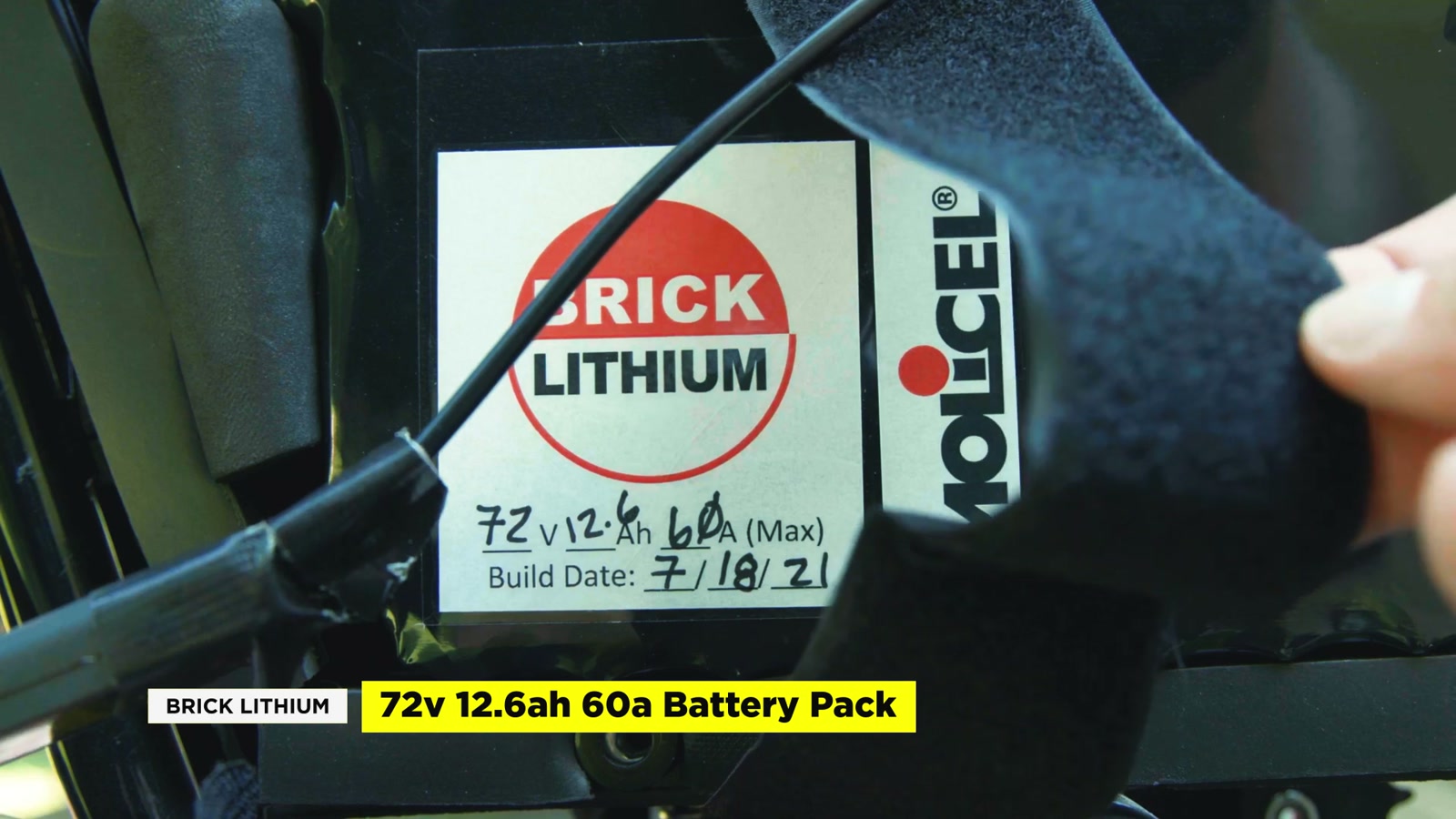
Powering everything is a Brick Lithium 72V 12.6Ah battery.
This isn’t a huge capacity pack, and I didn’t build this to be a marathon commuter. I built it to be a sharp, efficient, quick-errands bike that’s fun to rip around town.
In my riding, I estimated about 30 miles of range depending on pace and conditions. If you ride harder or you’re heavier than me, expect less.
The interesting part is how efficient the bike feels with this controller/motor combo. Between the tuned control behavior, regen, and the overall lighter platform, the range you get out of a smaller pack can feel better than you’d assume.
Comfort and controls: seat, bars, and the “moped” stance
A build like this isn’t only about watts. It’s about the way the bike fits your body and how confident you feel riding it.
Seat: I ran a custom seat from Saul’s Upholstery with added foam to sit a little higher. The fit and finish is excellent, and the extra height subtly changes the riding position in a good way.
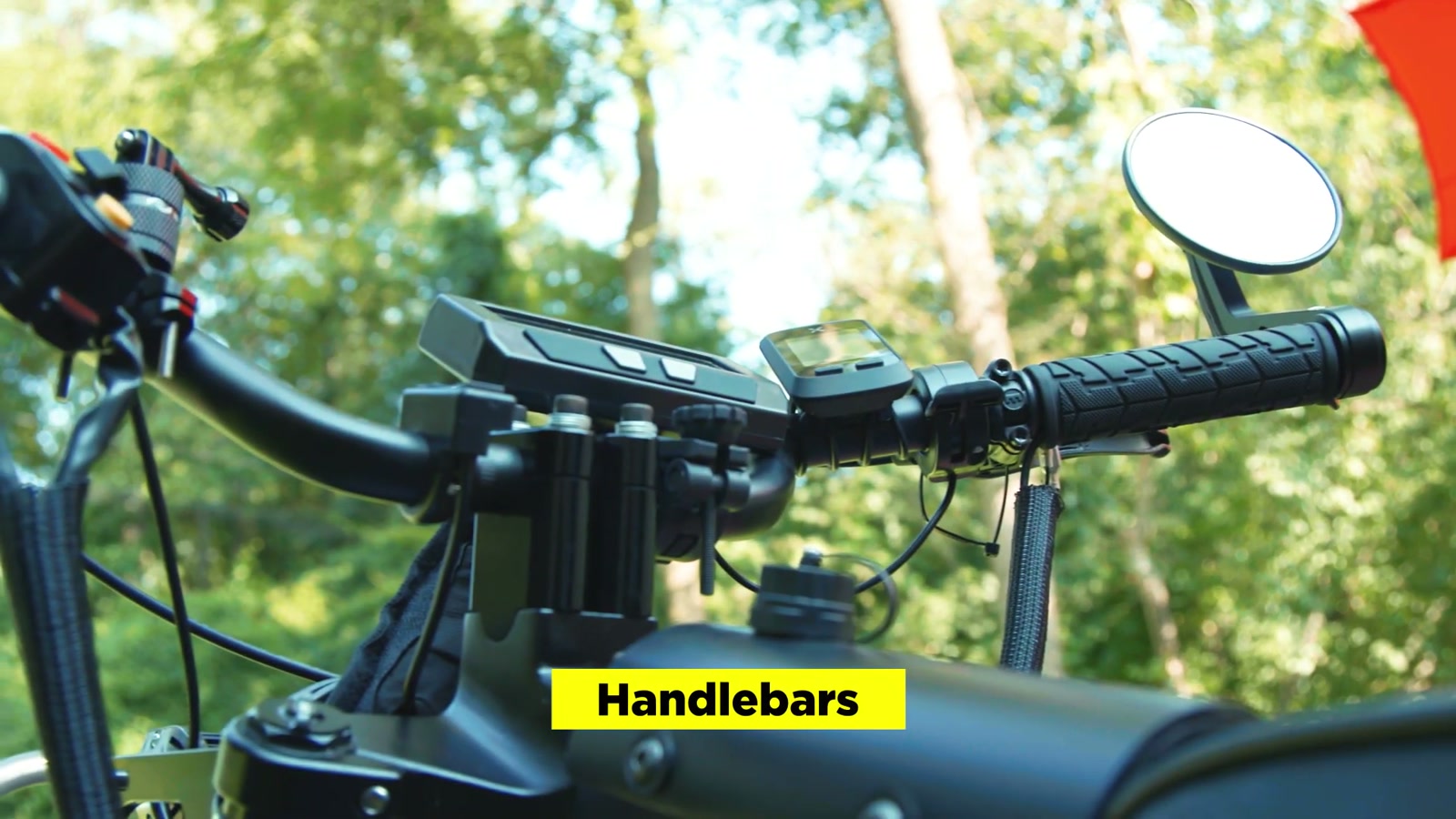
Bars: I installed clubman-style handlebars with risers to keep the look aggressive but still rideable.
Pedals: I used moped-style pedals for that mini-moto vibe.
Mirrors: Bar-end motorcycle mirrors cleaned up the cockpit and gave me real rear visibility.
The result is a Z1 that feels less like a quirky e-bike and more like a purpose-built little EV.
Tires, fenders, and the “mini moto” silhouette
I leaned into the motorcycle-inspired aesthetic:
Front fender: Onyx front fender adapted to the Z1’s proportions.
Rear fender: Sur-Ron rear fender fits surprisingly well and matches the Z1’s frame lines.
Tires: Shinko SR241 tires for the look and the road presence.
It’s not just cosmetic. These touches make the bike feel more substantial rolling down the street.
Lighting: DIY full-visibility setup
I built out lighting around a DIY harness and a 72V-to-12V step-down converter.
The main headlight is a Honda Grom-style LED unit, and I added multiple sets of indicators (including side visibility lighting). I love lighting mods because they change how confident I feel in real traffic—especially at dusk and at night.
The whole system is designed to be streamlined but extremely visible.
What We Like
The Phaserunner ride feel: smooth torque, controlled power delivery, and tunability that changes the entire character of the bike
Regen braking integration: adds control, reduces brake wear, and brings a more EV-like feel to slowing down
The enclosure: cleaner wiring, better organization, and a true “custom EV” look
Lighting and visibility: a practical upgrade that also makes the bike look purpose-built
The overall balance: fast enough to be thrilling, but still within what feels reasonable for a small Z1 frame
Things To Consider
This is not a budget build. Quality parts add up quickly, and it’s easy to spend more than the bike originally cost.
Tuning takes time. If you don’t enjoy learning and dialing settings, this controller ecosystem may feel like too much.
The Z1 is still a small chassis. Low-40s mph is possible, but that doesn’t mean it’s where you should live on this bike.
A 72V 12.6Ah pack is more “rip around town” than “all-day range.” Plan your usage accordingly.
Torque arms and proper installation matter at this power level. Don’t cut corners.
Final Thoughts
Z Force 1 is what happens when you treat a Super73 Z1 like a platform instead of a product. With the Phaserunner and Cycle Analyst, the bike stops feeling like a basic e-bike and starts feeling like a tunable EV project—smooth, controlled, and weirdly sophisticated for something this small.
If you want the most refined throttle feel I’ve experienced on an e-bike build, and you’re willing to invest time (and money) into tuning and clean integration, this is an incredibly rewarding direction.
If you just want simple plug-and-play power, this is probably not the path.