

5 Ways I Saved Money (and Sanity) as a Quarantined Video Producer
May 1, 2020
Some links in this article may be affiliate links. If you buy through them, we may earn a small commission at no extra cost to you.
Quarantine hit video producers in a weird spot. Our work usually depends on being around people, being on set, and being in motion. When that suddenly slows down, it’s easy to slide into two expensive habits: panic-spending and boredom-spending.
Read more: Joy at Work: Organizing Your Professional Life
Read more: Joy at Work: Organizing Your Professional Life

I went through the same temptations (yes, including browsing “too good to be true” camera deals) and ended up tightening up a few practical habits that helped me keep cash in the bank while things stabilized.
Here are five things that made the biggest difference for me.
1) I stopped buying new gear (even when the deals looked amazing)
Retail therapy is real, especially when you’re isolated, restless, and spending way too much time scrolling.
The used market can look extra tempting in times like this. You’ll see steep discounts on eBay or Facebook Marketplace and your brain immediately starts justifying it: “This is an investment.”
What changed my behavior was one simple reality: I didn’t know what social restrictions would do to my income, bookings, or timelines. Tying up money in physical assets when your work is uncertain is risky.
The only time I’d consider buying gear in a situation like that is if there’s a clear, near-term payoff. If you already have remote work lined up (like live switching for webinars, remote streams, or paid explainer video work from home) and the gear directly enables that revenue, then it can be a business decision instead of a boredom purchase.
Otherwise, I treat it like this: keep it liquid. Cash is king.
2) I sold old gear I wasn’t using
Video people (me included) love gear. We collect it, we justify it, we keep it “just in case.”
But once I started selling off unused equipment, two benefits hit immediately:
First, it created side income.
Second, it gave me the chance to strengthen an emergency fund, which matters a lot more during a global disruption than owning another gadget.
One thing I tried to be mindful about: pricing fairly. It’s tempting to squeeze every dollar out of a sale, but it felt better to be reasonable, move things quickly, and know the gear might help someone else get working again.
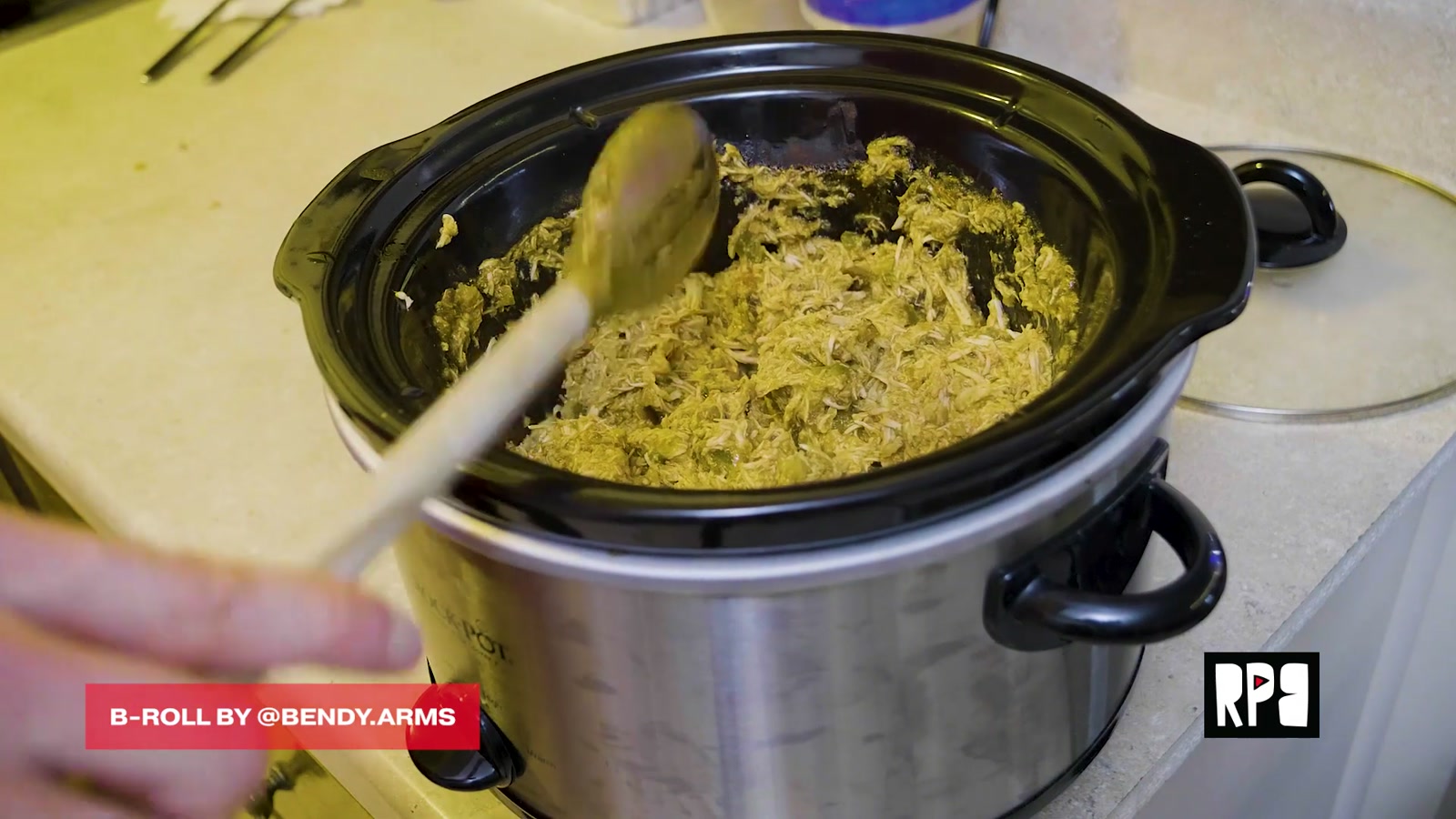
3) I cooked my own food (and made grocery trips count)
Everyone’s situation is different, but if you’re healthy and not dependent on food delivery, groceries can stretch a long way.
The biggest change for me wasn’t some extreme diet plan. It was simply making fewer grocery runs, sticking to a list, and not improvising in the aisles.

Two tactics that helped:
I planned for limited grocery trips instead of “quick runs.”
I didn’t shop hungry. That one sounds obvious, but it’s a real budget killer.
I also used the iPhone Reminders app to build a grocery list in the same order The process covers the store. I organized it by the store sections so I could move efficiently, avoid wandering, and cut down impulse grabs.
4) I got serious about turning off (and unplugging) electronics
Remote work tends to push your energy usage up. Editing, exporting, charging batteries, extra monitor time, more time at home in general—it adds up.
Even if the increase feels “small,” it still shows up on the bill. And when work is uncertain, any extra recurring cost becomes more annoying than it should be.
These were the easiest energy habits to adopt:
Unplugging phone/laptop adapters when not in use (many chargers still draw power).
Using a power strip or smart plug to fully cut power to camera and computer gear.
Taking advantage of natural light and keeping unnecessary lighting off.
This was also a good moment to be honest with myself about what’s “for the work” and what’s just habit. If there’s daylight available, opening blinds beats running extra lights all day.
5) I stopped doom-scrolling and quarantine-flexing
This one isn’t a direct money saver, but it protects something that influences every financial decision: mental health.
When your feeds are flooded with pandemic-themed content, it’s easy to get trapped in a loop—consuming it, comparing yourself to it, and then feeling pressured to post your own version of it.
I noticed how quickly it turns into a strange competition:
Who built the backyard deck.
Who learned a complicated piano piece.
Who “optimized” their life the hardest.
And meanwhile, hours vanish.
So I tried to do something that felt almost old-school: I called friends and family on regular voice calls. The people I hadn’t talked to in months because I was always “on set” or “too busy.” That shift didn’t just make me feel better—it also reduced the impulse to cope through spending or scrolling.
What We Like

Keeps money liquid instead of tied up in gear during uncertain work cycles
Selling unused equipment creates quick cash and reduces clutter
Simple grocery discipline can cut spending without feeling like deprivation
Power strips/smart plugs make it easy to shut down a whole workstation

Prioritizing real connection over social feeds helps protect mental health
Things To Consider
Buying gear can still be smart if it directly unlocks paid remote work
Selling gear takes time (cleaning, listing, shipping), so start with the easiest wins
Grocery savings depend on your health needs, living situation, and access to stores
Energy savings vary by household size and how much everyone is home
Social media limits can feel uncomfortable at first if you’re used to daily engagement
Final Thoughts
Quarantine (and any uncertain season) exposes how much of our spending is emotional. For me, the biggest wins came from resisting gear temptation, turning unused equipment into cash, treating groceries like a plan instead of a vibe, cutting background energy waste, and stepping away from the online comparison loop.
None of this is about being perfect—it’s about staying flexible, protecting cash flow, and keeping your head clear enough to make good decisions until work ramps back up.