

How I Survived Bad Debt (and Rebuilt My Life Without Chasing Money)
January 12, 2020
Some links in this article may be affiliate links. If you buy through them, we may earn a small commission at no extra cost to you.
Money used to feel like this foggy, stressful background app running in my brain. I knew I should understand it, but I didn’t. I avoided it. And when you avoid money long enough, it stops being “a little messy” and turns into something emotionally crushing.
Read more: Dave Ramsey's Financial Peace
Read more: Dave Ramsey's Financial Peace
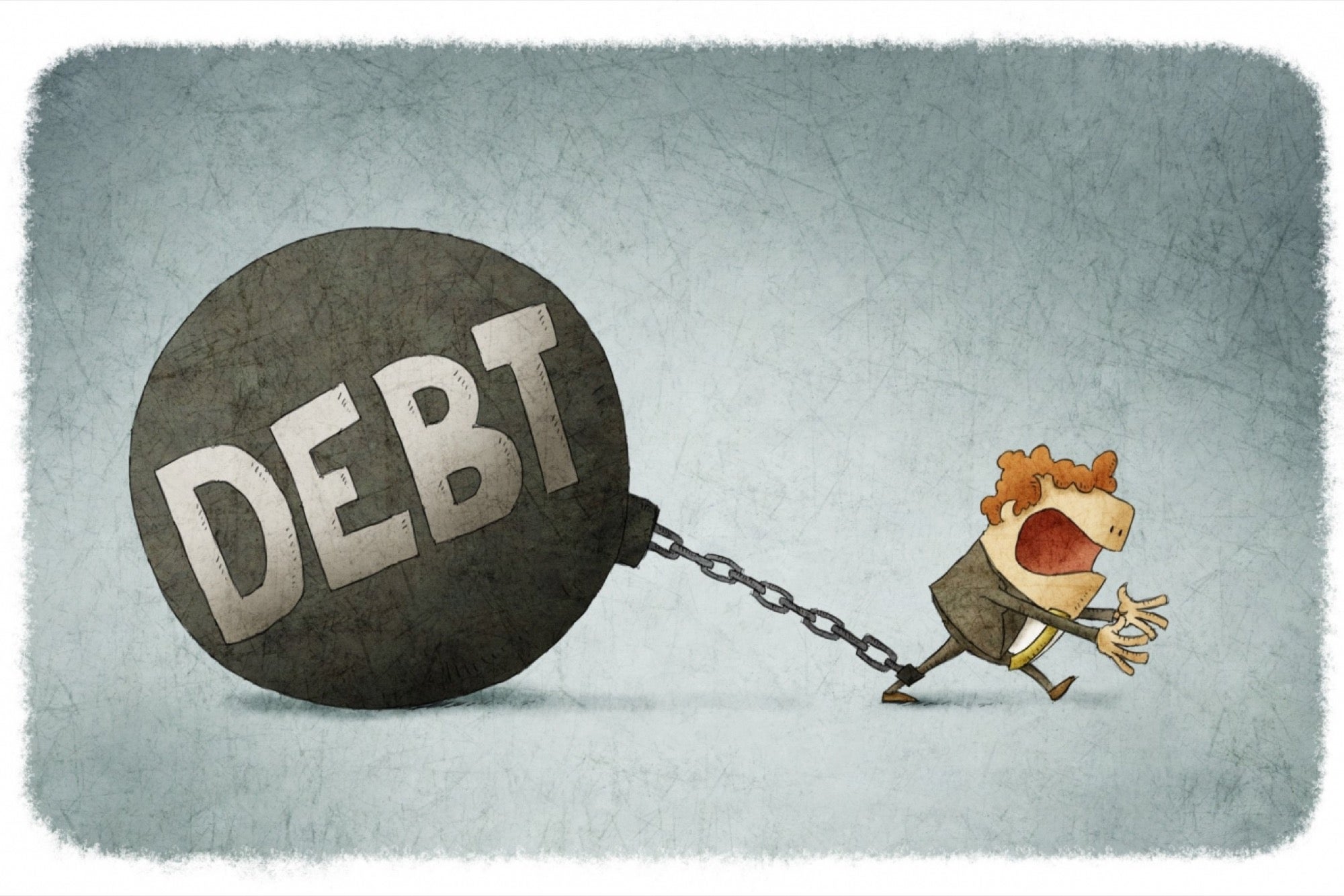
This is the story of how I got buried by bad decisions (including one massive real-estate mistake), how I clawed my way back out, and what actually changed my mindset for good.
When I realized I was wasting money
I started college thinking I’d go into computer science. That didn’t pan out. Then I tried engineering. Same thing.
The hard part wasn’t just changing directions. It was the guilt. I didn’t have a scholarship, and my parents were helping me. I felt like I was burning money without a clear plan.
So I made a move that, in hindsight, was one of the first “grown-up” financial decisions I’d made: I moved back home and commuted to art school. It wasn’t glamorous, but it felt responsible. Less waste, more focus, and I finally felt like I was heading toward something that fit.
Early career: benefits I didn’t understand and money I didn’t manage
My first real job was at a mastering facility in 2004, and it got me into New York City. From there, I bounced through corporate gigs. I had benefits around me, but I didn’t really understand retirement accounts or how any of that was supposed to work.
The bigger issue: I didn’t take ownership. I treated money like something other people “handled.”
Then I went full-time freelance (roughly 2008 to 2013). Creatively, it was exciting. I was doing music videos, chasing ideas, chasing momentum.
Financially? I wasn’t paying attention.
I worked constantly and made money, but I wasn’t putting systems in place. Taxes weren’t getting handled the way they should have been. Savings wasn’t intentional. Retirement wasn’t a priority.
The “easy money” moment that still turned into stress
I landed a Sprite commercial where I was paid as talent and made real money from it. It felt like one of those “wow, this is what it looks like when things finally click” moments.
But because I hadn’t handled my taxes properly, I got hit with an IRS bill that absolutely wrecked me emotionally at the time. Not because it was the biggest bill in the world, but because it was proof that I didn’t have control.
That’s a theme you’ll see throughout this whole story: the numbers matter, but the helpless feeling is what really breaks you.
The biggest mistake: the shady real-estate deal I didn’t understand
In 2012, I made the most painful financial decision of my life.
I got pulled into a real-estate property investment with my business partner. I didn’t know what I was doing. Work was slowing down, my headspace wasn’t right, and I was way too willing to trust someone else’s confidence instead of doing my own due diligence.
The pitch sounded almost too easy: put the property in my name, use a home equity loan to renovate it, tenants move in, and I get paid.
If that sounds shady, it’s because it was.
Here’s what it felt like in real life:
Tenants stopped paying.
I didn’t even know who the tenants were.
I assumed “management” was handling it.
The place got trashed when people left.
Hurricane Sandy hit and added more damage.
Any rent that did show up was inconsistent and stressful to chase.
By 2013, the stress from that property and my overall financial chaos finally caught up with me. Everything I thought I’d built felt like it was collapsing at the same time.
Humbling myself and going back to stability
When you’re freelancing, it’s easy to romanticize the freedom and ignore the downside. For me, the downside hit hard: I needed stability.
So I went back to a corporate role.
It was humbling. I had to put my ego away and accept that I wasn’t above a steady paycheck, structure, and a predictable routine. I got a job at PopSugar, then worked my way into a more lucrative role at Complex Media.
Eventually, an even bigger pivot happened: I moved to Ann Arbor, Michigan and started working at Duo Security.
I wasn’t “chasing a dream” in the abstract anymore. I was trying to stabilize my life.
The credit-score gut punch
Even after moving and trying to start fresh, that real-estate mess was still dragging behind me.
When I opened a new account at a credit union, I saw my credit score and it was disastrous.
The reason was terrifying: mortgage payments on that property hadn’t been made for months.
That’s the moment where things stopped being “a stressful problem” and became a full-blown emergency. Creditors started coming. Summons showed up. It felt like I was being hunted by a situation I didn’t fully understand because I hadn’t taken the time to understand what I signed.
At that point, I had two choices:
1) Hope it magically resolves and trust people who already proved unreliable.
2) Get aggressively involved.
I chose option two.
I made calls. I stayed on top of it. I became the annoying person who wouldn’t go away until I knew exactly what was happening.
The long wait and the surreal relief
Years later, the house finally sold.
The bank was paid off. Creditors and liens were handled. I called everyone I needed to call to confirm it was real. I got the satisfaction letter.
And then I watched my credit score rebound.
That whole saga was the most stressful financial experience I’ve ever been through. It wasn’t just money. It messed with my confidence and bled into my work.
When you’ve got that kind of stress in the background, it’s hard to show up as your best self.
What actually changed: service, stability, and living modestly
Once I got back into a stable work rhythm, I started performing better because I wasn’t constantly in crisis mode.
I worked hard, provided value, and grew into better opportunities. That path led to Duo being acquired by Cisco.
I’m not sharing that as a flex or as some “everything works out” fairy tale. The reason it mattered to me was simpler: it helped me catch up.
I felt behind my peers—people who learned money earlier, people who weren’t distracted by status, celebrity worship, and comparison.
So we got serious about the basics:
Living modestly
Not spending beyond our means
Paying bills on time
Cleaning up debt
We bought a house with a clear budget. And because my credit was still impacted by the real-estate situation, I couldn’t get a conventional loan. I ended up using a portfolio loan, which came with the reality that I’ll need to refinance later.
It wasn’t perfect—but it was honest. It was a solution that matched where I actually was.
The mindset shift: I stopped chasing money
Along the way, I started learning from personal finance voices that made money feel less mysterious. Dave Ramsey, in particular, helped it click for me.
I related to the idea of digging out of a hole and rebuilding from scratch. That’s what it felt like. Like I narrowly escaped something that could have wrecked my financial life for years.
Today, we’re focused on building retirement—thinking long-term instead of just surviving month to month.
But the biggest surprise wasn’t budgeting or debt payoff.
It was generosity.
Why generosity ended up building wealth (for real)
When we moved to Ann Arbor, something changed. I started focusing more on contributing locally.
I worked on videos for a local teen nonprofit called Neutral Zone. I helped create fundraising events. I created the A2 Tech Film Showcase to highlight diverse perspectives and give filmmakers opportunities to show their work at the historic Michigan Theater.
That kind of giving back did something to me internally. It shifted the way I saw success.
The more I focused on being useful and generous—genuinely, not performatively—the more life opened up. Better relationships. Better work. Better opportunities. More peace.
Call it karma or call it cause-and-effect: when your head is clear and your priorities are grounded, you make better decisions.
What We Like
A painful mistake doesn’t have to define your future.
Stability can be a strategy, not a surrender.
Living modestly takes pressure off everything else.
Staying involved and asking hard questions is sometimes the only way out.
Generosity shifts your mindset from scarcity to purpose.
Things To Consider
Trusting someone else to “handle it” is not a plan—especially with contracts, loans, and property.
Credit damage can follow you for years and affect major life decisions.
Avoiding taxes and paperwork doesn’t make them disappear; it makes them more expensive and more stressful later.
The emotional toll of debt is real, and it can affect your confidence, relationships, and work.
Final Thoughts
I used to think money problems were just about math. They’re not. They’re about behavior, ego, fear, and avoidance.
I made a huge mistake at a vulnerable time and paid for it with years of stress. But I also learned that there’s a way back: get stable, get humble, stay on top of the details, and build a life you don’t need to escape from.
And if there’s one lesson I didn’t expect, it’s this: when I stopped chasing money and started chasing generosity, I got healthier, happier, and financially stronger.