
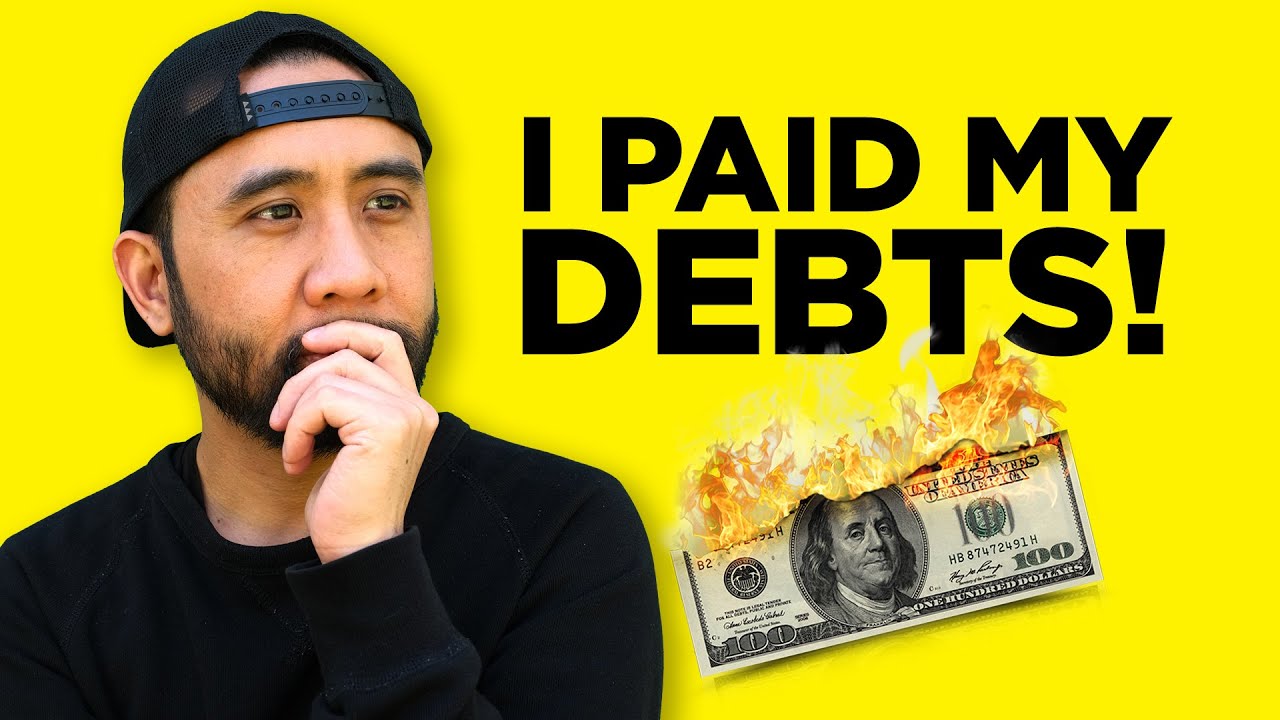
How I Survived Bad Debt as a Creative (and What Actually Changed Everything)
February 16, 2020
Some links in this article may be affiliate links. If you buy through them, we may earn a small commission at no extra cost to you.
Money used to feel like this confusing, emotional fog for me—especially early in my career when I was chasing creative validation and trying to prove I deserved the sacrifices my parents made.
Read more: The Simple Path to Wealth and Quit Like a Millionaire

I’m not a finance expert. I’m a creative who learned the hard way that bad debt doesn’t just drain your bank account—it hijacks your focus, your mood, and your ability to do your best work.
Here’s what happened, what I did to climb out, and what I’d do differently if I could rewind.
The mindset I inherited (and why it mattered)
My parents came to New York City from the Philippines in the 70s with a classic immigrant playbook: work a lot, spend carefully, save aggressively, and expect nothing to be handed to you.
That scarcity mindset had a real upside: they built savings for my college tuition through pure overtime and discipline.
But there was a gap too. Because they were always working, I didn’t grow up with much hands-on financial guidance—just the vague stuff like “save your money” and “you don’t need that.” So when I started earning real money as a young creative, I had ambition and hustle… but no system.
When my creative career took off—and I ignored the boring stuff
After bouncing around in NYC jobs, I went full-time freelance as a music video and commercial director (2008–2013). I stayed busy, got recognition, and lived moment-to-moment.
Retirement accounts, taxes, long-term planning—none of that felt real in my early 20s. I was sprinting, not building.
And that’s where the mistakes started.
Dumb financial mistake #1: I messed up my taxes
In 2010 I landed a major campaign that paid me more money than I’d ever made in a single day.
The problem wasn’t the gig—it was what I did next.
I filed my taxes incorrectly and got hit with an $8,000 IRS bill I wasn’t prepared for. I didn’t have an accountant at the time, and that lack of infrastructure cost me.
I paid it off, but it was the first time I realized: making money and managing money are two completely different skills.
Dumb financial mistake #2: I financed my film dreams the stressful way
I love making movies. Not just watching them—making them.
From 2006 to 2012, I made three independent feature films. Total cost across all three: about $50,000.
I didn’t take out crazy loans or destroy my credit, but I did borrow money from business partners. When those films didn’t get distribution, I still had to pay people back.
Even interest-free, debt like that creates pressure. It strains relationships. It adds this invisible weight to every creative decision.
I learned a ton on set—more than film school could’ve taught me—but I also learned that passion without a financial plan can turn into a slow-burn emergency.
Dumb financial mistake #3: The rental property that nearly broke me
This one was the gut punch.
In 2012, freelancing started feeling unstable. I had a young daughter, I was trying to provide, and I was vulnerable to anything that sounded like “easy passive income.”
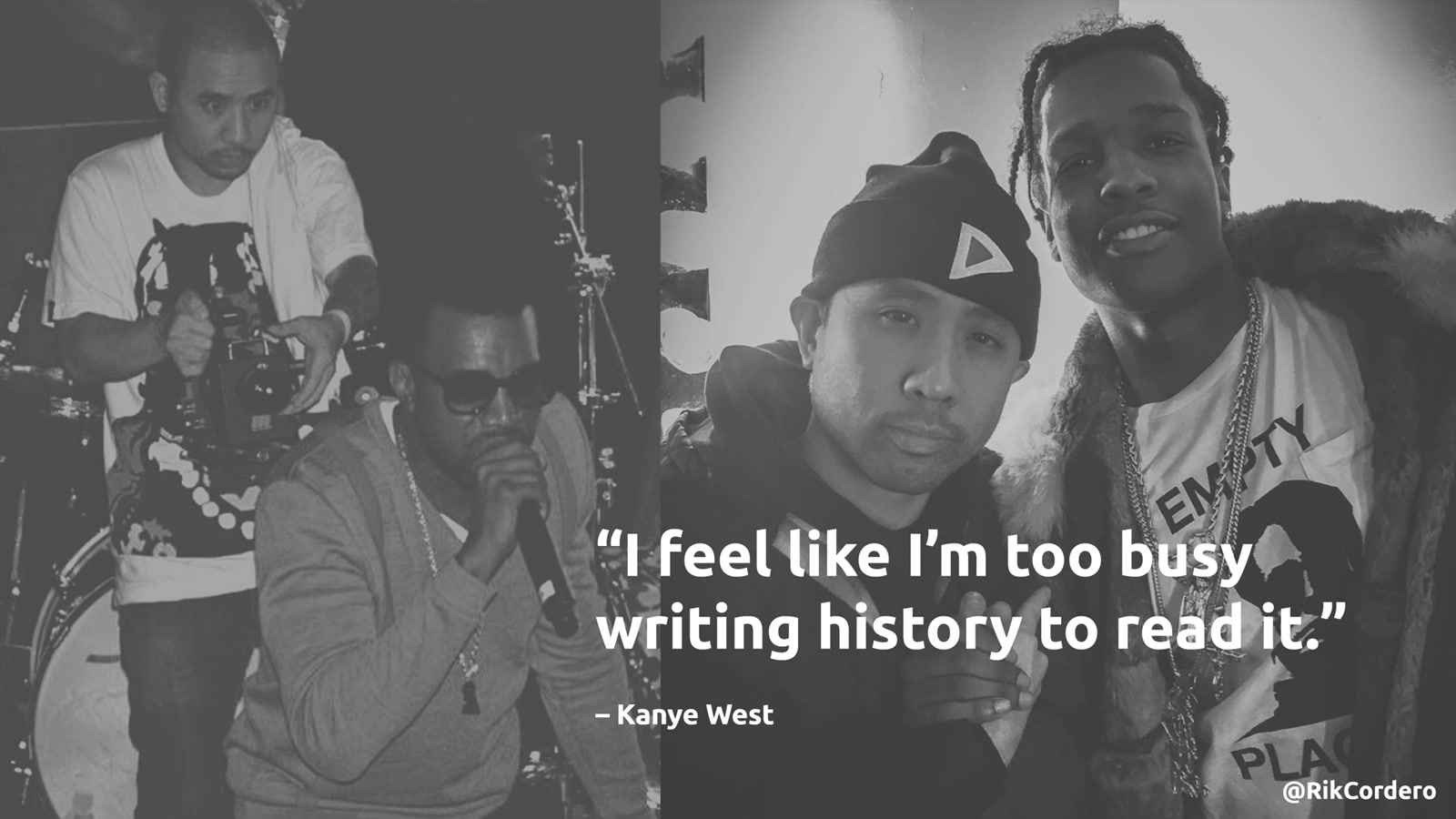
I got convinced to invest in a rental property in New Jersey for $200,000. The property got transferred to my name, and we took out a HELOC to do improvements. My partner managed the property and payments.
Then everything went wrong in a tight window:
The tenants vandalized the place
They stopped paying rent
Hurricane Sandy hit and caused major damage
Any one of those is a risk you should be ready for if you’re doing real estate. I wasn’t ready for all of it at once—and I wasn’t mature enough financially to manage the fallout.
That situation spiraled into the most stressful, emotionally draining financial mess I’ve ever experienced.
The move that saved my financial life: I chose stability
By 2013, I knew I had to change. I was staring down a future where bankruptcy felt like it could become real.
So I humbled myself and went back into the workforce.
I took a senior video editor job at PopSugar New York. It wasn’t my dream role, but it was stable. It gave me structure. It helped me stop bleeding.
Later I worked into a more lucrative role as Creative Director of Marketing Video at Complex Media.
I worked brutal hours—14 to 15-hour days, weekends—because I was trying to undo years of financial chaos.
And we used that window to pay down everything we could.
What actually moved the needle: living below our means (for real)
Here’s what changed our trajectory:
We paid off outstanding loans from the films
We paid off credit cards
We kept our old 2004 Honda CRV to avoid an auto loan
We stopped trying to “look” successful
Nancy is also incredibly disciplined about savings—money would move into savings before I even felt like it was ours to spend.
That mattered.
Because the biggest battle wasn’t math. It was behavior.
The second big reset: leaving New York City
Nancy pushed for a drastic cost-of-living cut: leave NYC.
I thought it was insane… until we did it.
In July 2015, we moved to Ann Arbor, Michigan, and I joined a startup called Duo. Cost of living dropped, quality of life went up, and I could finally feel what financial breathing room was supposed to feel like.
The long tail of the rental property mess
Even after we moved, that New Jersey property still hung over me.
From 2015 to 2019, my credit score took a beating. Buying a house wasn’t even a conversation. It was frustrating, slow, and full of back-and-forth with attorneys and my former partner—while I was out of state and couldn’t keep eyes on the property.
Finally, on February 1, 2019, the property sold.
At that point, any potential profit was basically consumed by interest, bank fees, legal fees, taxes—everything.
And honestly? I didn’t care.
I just wanted out.
When I got the satisfaction letter from the bank and my credit rebounded, it felt like someone removed a literal weight from my chest.
What debt did to my creativity (and my mental state)
This is the part people don’t talk about enough.
When I was under financial stress:
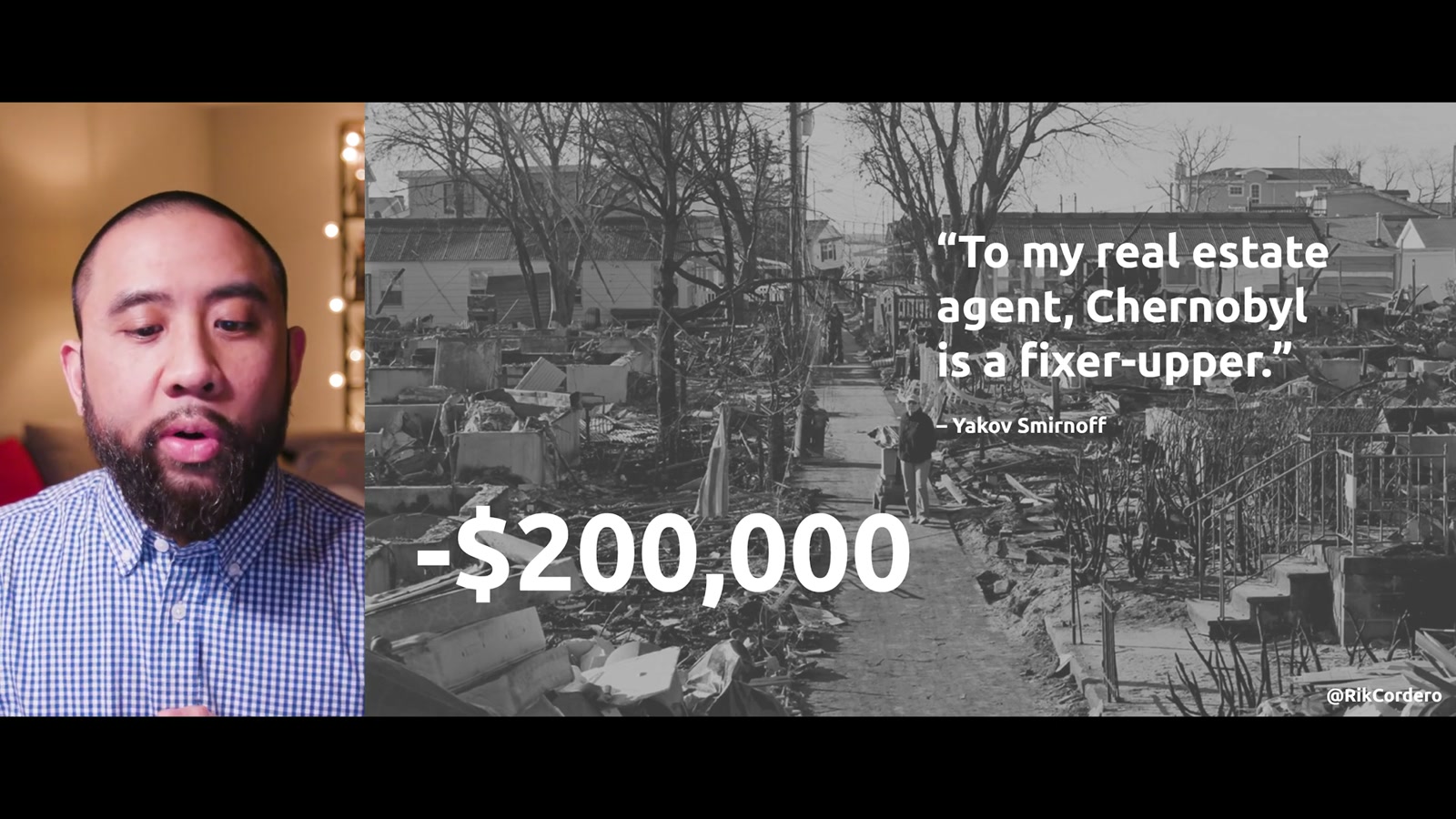
My creativity suffered
I had mood swings
I took feedback personally
I spent impulsively on gadgets, clothes, and eating out
I compared myself to others and chased an image
Debt wasn’t just a number. It was a constant distraction.
Once I started cleaning it up, I became a better listener. I was more present at work. I stopped spiraling.
The identity shift: stop chasing the illusion
One of the biggest takeaways for me was realizing I had been chasing the wrong thing.
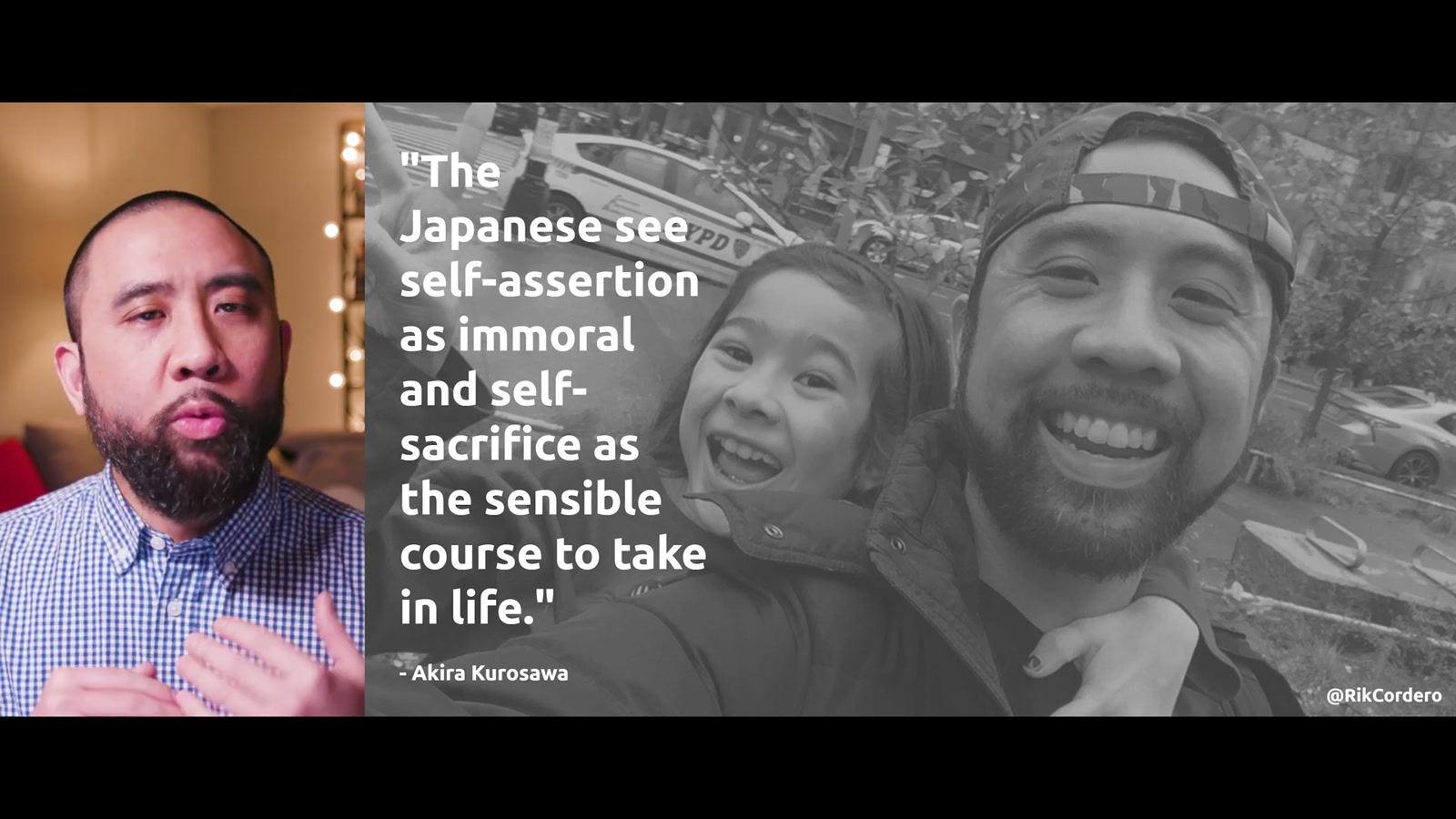
I wasn’t chasing stories. I was chasing an image of being a “big-shot director.”
Now I think of it like this:
Being a producer pays the bills. Being a director supports the dreams.
And sometimes you switch roles. Sometimes you do both.
But either way, you need a foundation that keeps you from borrowing your future to fund your present.
The habits that keep me steady now
These are the practical behaviors that made the biggest difference for me:
Automate saving so it’s not a daily willpower fight
I’m a huge believer in “set it and forget it.” If I never see the money hit my spending account, I’m not tempted to spend it.
I route passive income into a separate savings account, then automatically push it into my Vanguard accounts on a schedule.
Reduce the instant gratification loop
I’m not spending just to spend anymore—especially not to keep up appearances.
I still like nice things, but now I’m picky. If it adds real value to quality of life, I’ll consider it. If it’s just a dopamine hit, I pass.
Build boundaries around distraction
I use Screen Time limits on my phone to cap social media to one hour a day.
At night, apps are disabled from 8 p.m. to 7 a.m.—and Nancy has the password so I can’t override it when my brain wants to scroll instead of rest.
Increase savings, not just income
I used to think the solution was always “earn more.”
Now I care more about the gap between what we earn and what we keep.
Why generosity became part of my wealth plan
This surprised me.
Once I stopped drowning in debt, I could see beyond myself again.
Serving community—through film, storytelling, and local organizations—became a meaningful north star. Not because it’s trendy. Because it’s grounding.
Generosity builds wealth in opportunity. In relationships. In purpose. In the kind of life that actually feels good to wake up to.
Where I landed: debt-free (except the mortgage) and finally at peace
After years of cleanup, we’re debt-free except for our mortgage.
We’ve got emergency funds, we’re saving for college, and we’re living way below our means. Minimalist, on purpose.
I don’t care to debate whether homeownership is “good debt” or “bad debt.” Renting can be a great lifestyle choice too. Nobody should get shamed either way.
For me, the goal now is simple: pay off the mortgage fast for peace of mind, keep investing steadily, and see what kind of freedom (and generosity) that unlocks.
What We Like
Stability beats hustle-with-panic every time
Paying down debt removed mental noise and improved my creative focus
Automation made saving consistent without relying on willpower
Living below our means created real flexibility and reduced stress
Building a life around service feels more fulfilling than chasing status
Things To Consider
“Passive income” ideas can become active nightmares if you don’t understand the risks
Borrowing from partners/friends can strain relationships even if there’s no interest
If you freelance, taxes and accounting aren’t optional—they’re part of the job
Debt can quietly shape your emotions, your creativity, and your relationships
Increasing income helps, but increasing savings rate is often the real unlock
Final Thoughts
I don’t regret the lessons, but I do regret how long I stayed financially ignorant.
The biggest change wasn’t a single trick—it was choosing stability, building systems, cutting lifestyle inflation, and learning to value peace over image.
If you’re in a rough season financially, I get it. Start with one concrete move that reduces chaos: get help, automate a payment, cut one expense you don’t even enjoy, or pick up a stable role while you rebuild. Momentum comes from boring consistency.
And when you finally get breathing room, don’t waste it trying to look successful. Use it to become free.