

My Smart Home Tech Setup: Affordable Automations That Actually Improve Daily Life
January 19, 2020
Some links in this article may be affiliate links. If you buy through them, we may earn a small commission at no extra cost to you.
When I first bought my home, I had the same temptation everyone does: add smart stuff everywhere just because it’s cool. But I quickly realized the only smart home tech worth keeping is the kind that genuinely adds value—more comfort, more security, less mental load.
Read more: Wyze Camera and Sensor Kit and GoSund Smart Plug

This is the ecosystem I’ve landed on after living with it day to day. It’s not the most expensive, and it’s not the most complicated. It’s just the stuff that’s been consistently useful.
My approach: value over novelty
I built my setup around three goals:
Practical security and awareness (without another monthly bill if I can help it)
Quiet automations that make the house feel better to live in
Devices that are easy to manage once they’re in place
Wyze camera + sensors: simple, affordable, and surprisingly useful
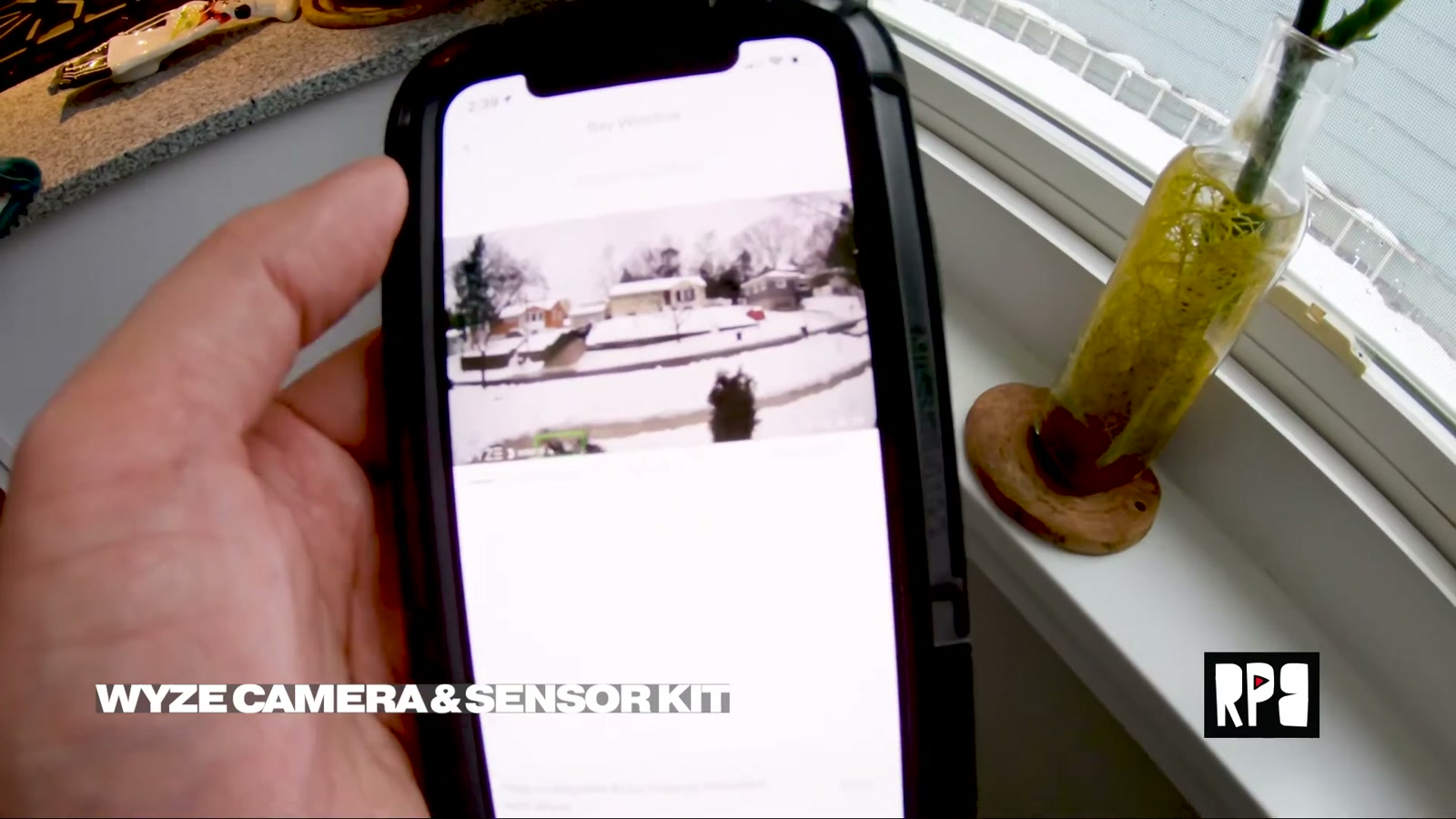
The first smart device I bought was the Wyze camera and sensor kit. What sold me wasn’t just the price—it was how easy it is to actually use.
The app experience is straightforward, especially when I’m scrubbing through motion clips. The motion and door sensors have been accurate for me, and that matters because if sensors are flaky, you stop trusting the whole system.
My favorite part is local recording to a micro SD card. So many cameras push you toward subscription cloud storage, or they limit how long clips are available. Having local capture gives me more control and fewer ongoing costs.
And because it works with IFTTT, it plays nicely with other automations when I want to get more advanced.
GoSund smart plugs: the highest “value per dollar” in my house
If I had to pick one category of device that delivers the most day-to-day benefit for the least money, it’s smart outlets.
I use affordable GoSund smart plugs with the Smart Life app. The interface is simple, and that’s important because smart devices shouldn’t feel like a second job.
Smart plugs are the ultimate cheat code: they turn normal appliances into “smart” devices without replacing anything. I’ve used them for:
An electric heater
A living room lamp
A treadmill
An infrared lamp
My desktop computer setup
Basement lights
A sleep machine
The biggest quality-of-life win has been scheduled automation for my bedroom heater and my sleep machine. I have them timed so the heater kicks on and the sleep machine changes state about a half hour before I wake up.
The result is a much gentler start to the day—more like easing into being awake than getting yanked out of sleep by a harsh alarm.
Nest Thermostat: genuinely “set it and forget it”
The Nest Thermostat has been one of those rare smart devices that feels like it fades into the background in the best way.
It learns preferences over time, and I don’t have to babysit it. Once it gets a feel for how I like the house, temperature control becomes something I think about less, not more.
I also noticed it makes the overall heating/cooling behavior feel more consistent, and that tends to translate into more predictable gas and electric bills—often with savings.
Philips Hue lighting: mood, focus, and curb appeal
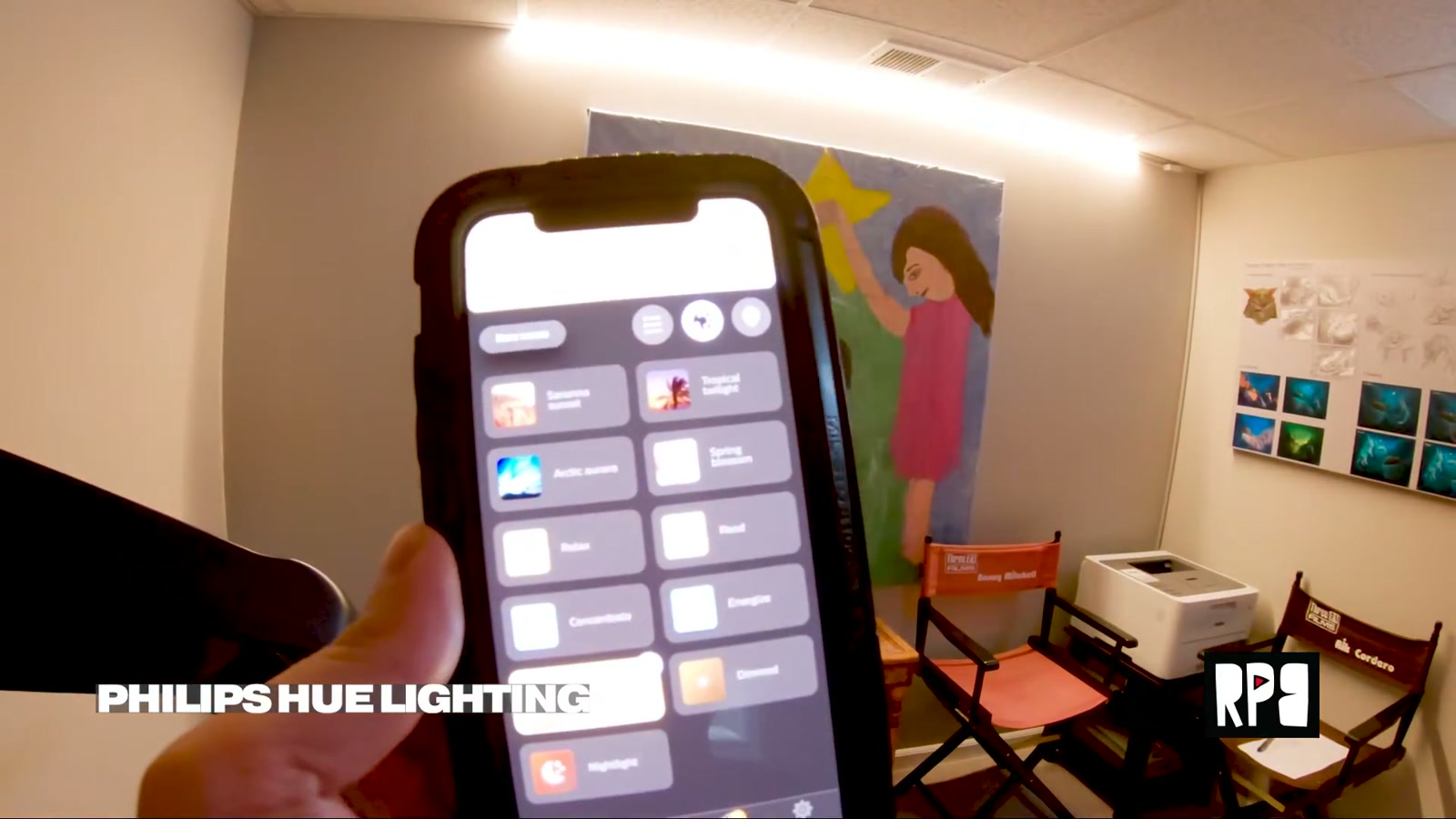
Lighting is where smart home tech becomes less about convenience and more about lifestyle. I primarily use the Philips Hue system, and it’s a big part of how I shape the vibe of my workspace and the feel of the home.
Indoor Hue: lighting that supports how I work
I use a Hue indoor strip as accent lighting around my desk space, plus a Hue RGB bulb in the bedroom.
What I love is how quickly I can match light to my brain:
Warm tungsten tones when I’m trying to relax, think, or work in a more meditative way
Cooler blue/daylight tones when I need to focus and push through editing or writing
It’s not a gimmick—changing the light changes the energy of the room.
Outdoor Hue: reliable through real weather
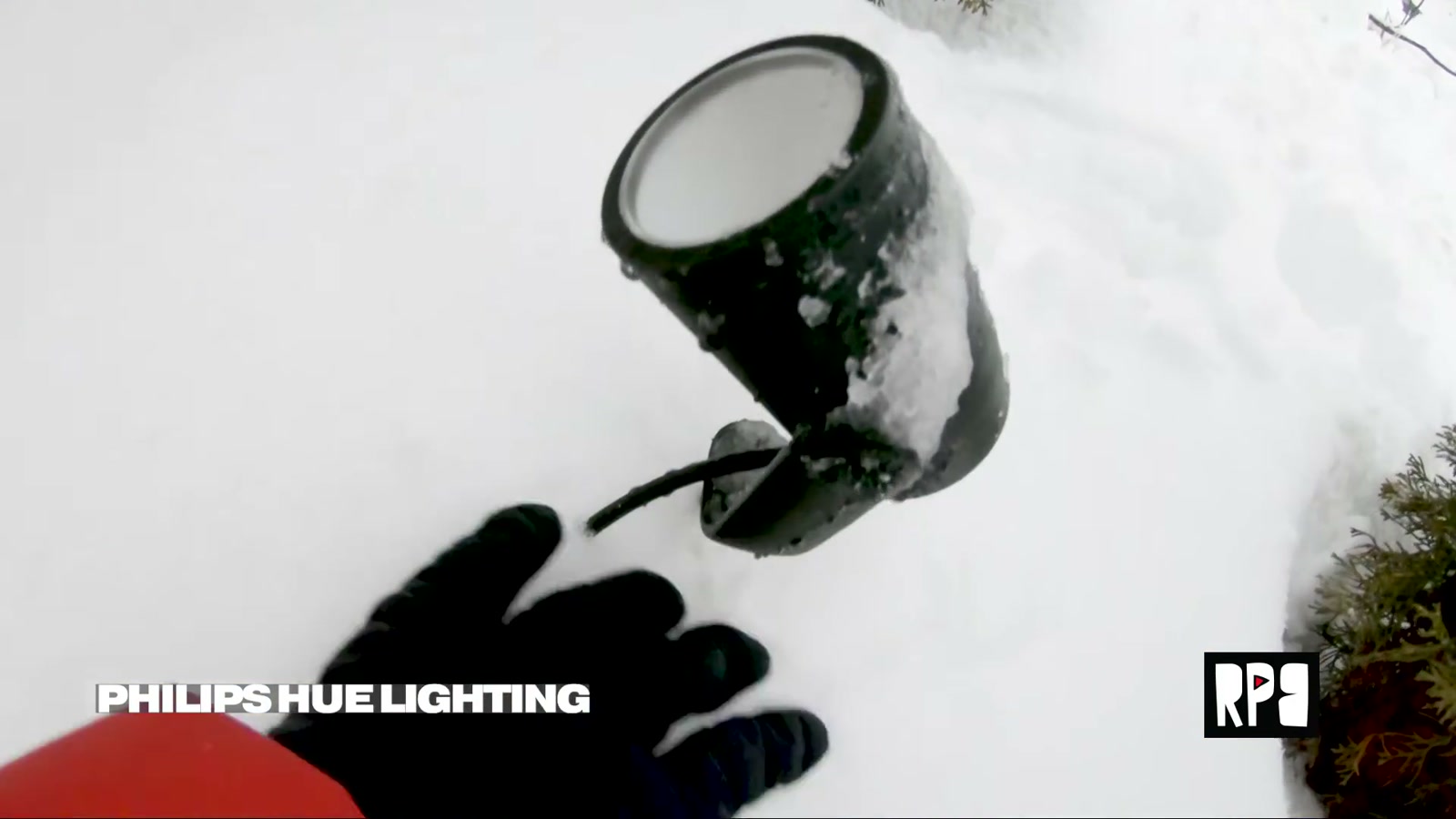
My outdoor setup is three Hue Lily spotlights and two Hue Calla pathway lights. Living in Michigan, I was honestly a little nervous about how smart outdoor lighting would handle real winter conditions.
So far, they’ve been flawless through months of freezing rain and snow (October through January, with plenty of nasty days in between).
At night, they’re low wattage but still surprisingly bright, and the scheduled automation makes the house feel welcoming even though it’s a pretty modest size. It adds that “someone’s home” warmth without me thinking about it.
One limitation to know: the outdoor system allows only five lights to be tethered to one transmitter. For my front-of-house lighting, that’s been totally fine.
PumpSpy: the least exciting smart device… and maybe the most important
The last piece of my smart home setup is PumpSpy.
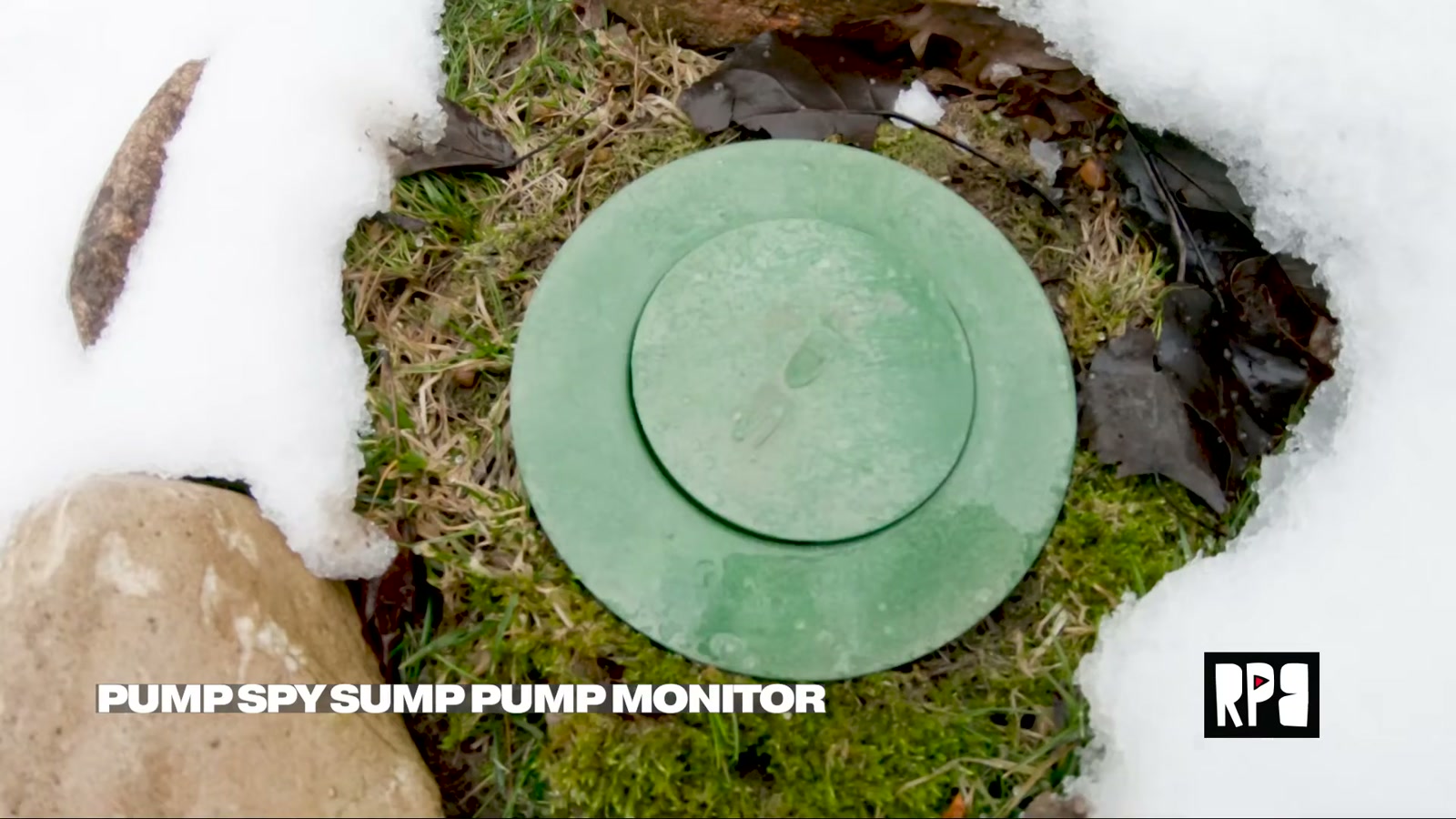
In my basement, I’ve got a sump pump because the neighborhood has an elevated water table. The sump pump moves water from under the basement floor out to a drainage pipe near the front lawn.
PumpSpy functions kind of like a smart outlet, but the key is that it tracks the electrical cycles of the sump pump and logs that data in an app. That gives me a much better way to keep an eye on maintenance patterns and spot issues before they become disasters.
The standout feature is emergency alerts. I can set multiple emergency contacts inside the app, and it will send text alerts in the event of a power failure.
I also run a battery-powered backup sump pump as a second layer of protection in case the main pump goes down.
What We Like
Wyze is affordable, easy to navigate, and local micro SD recording is a huge plus
Smart plugs deliver instant convenience and are easy to scale across the house
Nest Thermostat feels truly hands-off once it learns your routines
Philips Hue makes lighting feel purposeful (relaxation, focus, and ambiance)
Hue outdoor lights have held up through harsh Michigan winter weather
PumpSpy adds real peace of mind with monitoring + emergency text alerts
Things To Consider
Smart home setups get complicated fast if you mix too many apps and ecosystems
Outdoor Hue systems have a five-light-per-transmitter limit
Cameras and sensors are only as good as how consistently you check/maintain them (SD cards, placements, and settings still matter)
For critical home protection (like a sump pump), smart monitoring is great—but a physical backup plan is still essential
Final Thoughts
This setup hits the sweet spot I was chasing: affordable, easy to use, and genuinely helpful. The best part is how little I have to think about it once everything is dialed in.
If you’re building your own smart home, my biggest recommendation is to start with the automations that improve your daily rhythm—waking up, going to sleep, feeling secure, and reducing those tiny annoyances that stack up over time. The fancy stuff can come later.