

Upgrading the Onyx LZR Pro to 52V: More Fun, More Tune, More “Dirt Jumper” Energy
February 21, 2023
Some links in this article may be affiliate links. If you buy through them, we may earn a small commission at no extra cost to you.
The Onyx LZR Pro is already a ridiculously fun electric “dirt jumper” style bike, but I kept running into the same limitation: I wanted more control over the tune and a little more punch when I’m riding throttle-heavy.

So I went all-in on a 52V setup.
This wasn’t just a battery swap. To do it right (and to keep it rideable), I ended up changing the controller, moving to an external battery in a frame bag, and even opening up the motor to address a gear issue that showed up once I started pushing more power.
Here’s what the whole upgrade was like from the install to the first ride, tuning, and a real-world top speed pull.
Why I Wanted 52V on the LZR Pro
I didn’t chase 52V for bragging rights. I wanted two things:
1) Tuning control
After installing a throttle previously, I wanted the ability to actually control how the bike responds. Throttle feel matters a ton on a BMX-style setup—especially if you’re trying to ride it like a dirt jumper or you’re playing around with wheelies.
2) More lively performance
The stock setup is fun, but once you’ve spent time on stronger e-motos (or you ride with people on faster machines), you start wanting a little extra “go” without losing the lightweight, pedal-bike feel that makes the LZR Pro special.
The Core of the Upgrade: Luna Ludicrous V2 Controller
The heart of this build is the Luna Ludicrous V2 controller for the Bafang M600.
The big win for me isn’t just raw power—it’s that I can connect with the VESC Tool, see what’s going on, and adjust settings to match my riding style. Being able to calibrate the throttle and tweak response is a game changer on this bike.
One important reality check: these controllers can be hard to source. That alone can make this upgrade tough to replicate.
Battery Reality: Why I Went External
Once I got into the install, it became obvious the internal battery setup wasn’t going to be the move for what I was trying to do.
I pulled things apart, got access to the XT60 lead going into the motor, and ran a 52V battery externally in the frame triangle area.
To make that work cleanly (and not look like a science project zip-tied together), I used a custom LZR Pro battery bag.
The Custom Battery Bag Setup (and Why It Matters)
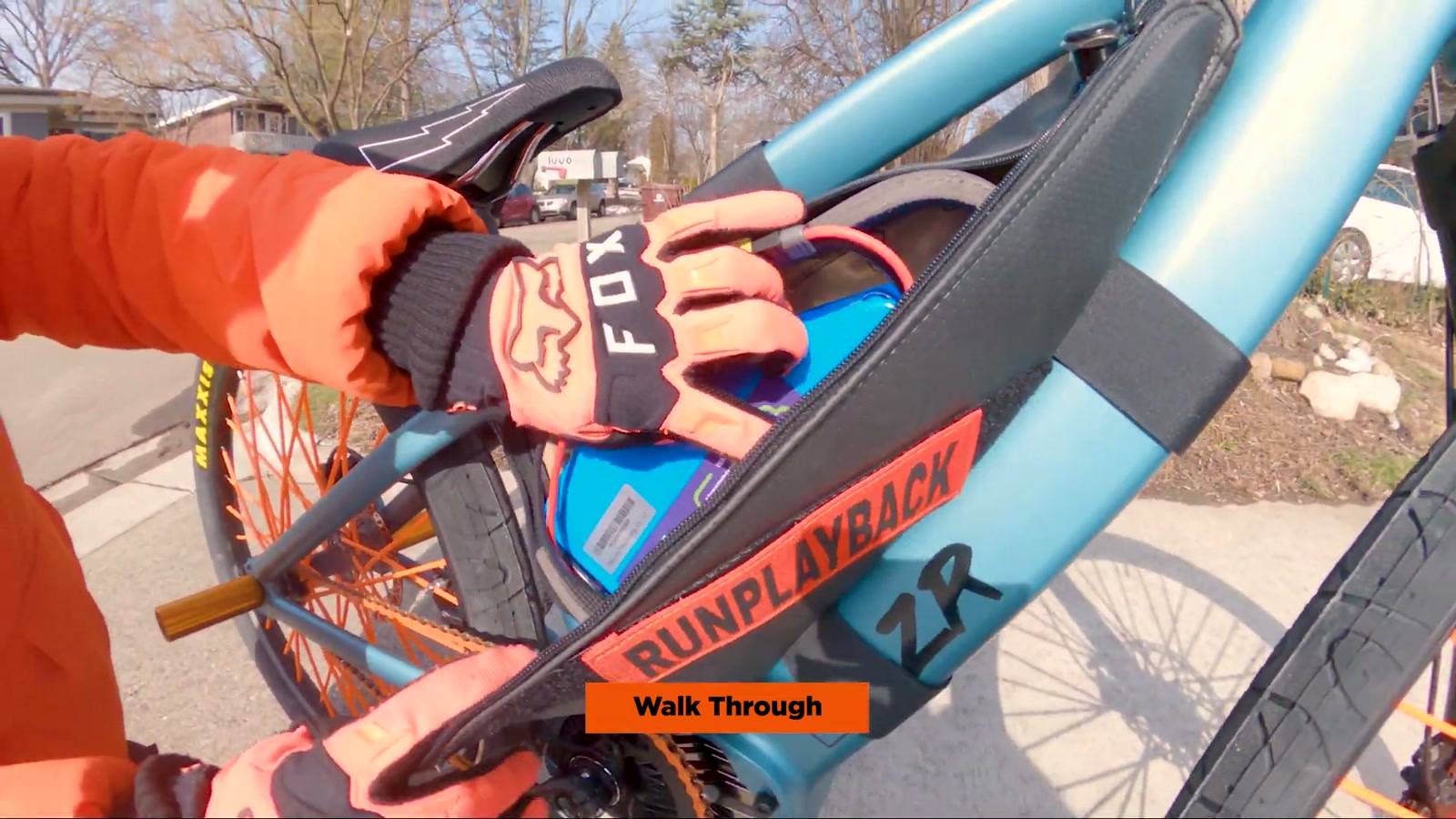
I installed a custom prototype battery bag from Vinyl By Bobby. The quality surprised me—in a good way.
Highlights that stood out immediately:
Perforated vinyl exterior that feels durable and looks purpose-built
A velcro-backed panel for patches (I added a tactical-style patch)
Thick, heavy-duty straps that actually hold the weight securely
Foam padding at the bottom to protect the battery
A dedicated wire exit port so you’re not crushing cables in the zipper
For an external battery setup, the bag is not just cosmetic. It’s what makes the whole thing feel like a real, daily-rideable system.
A Must-Know Issue: The Nylon Gear Didn’t Survive
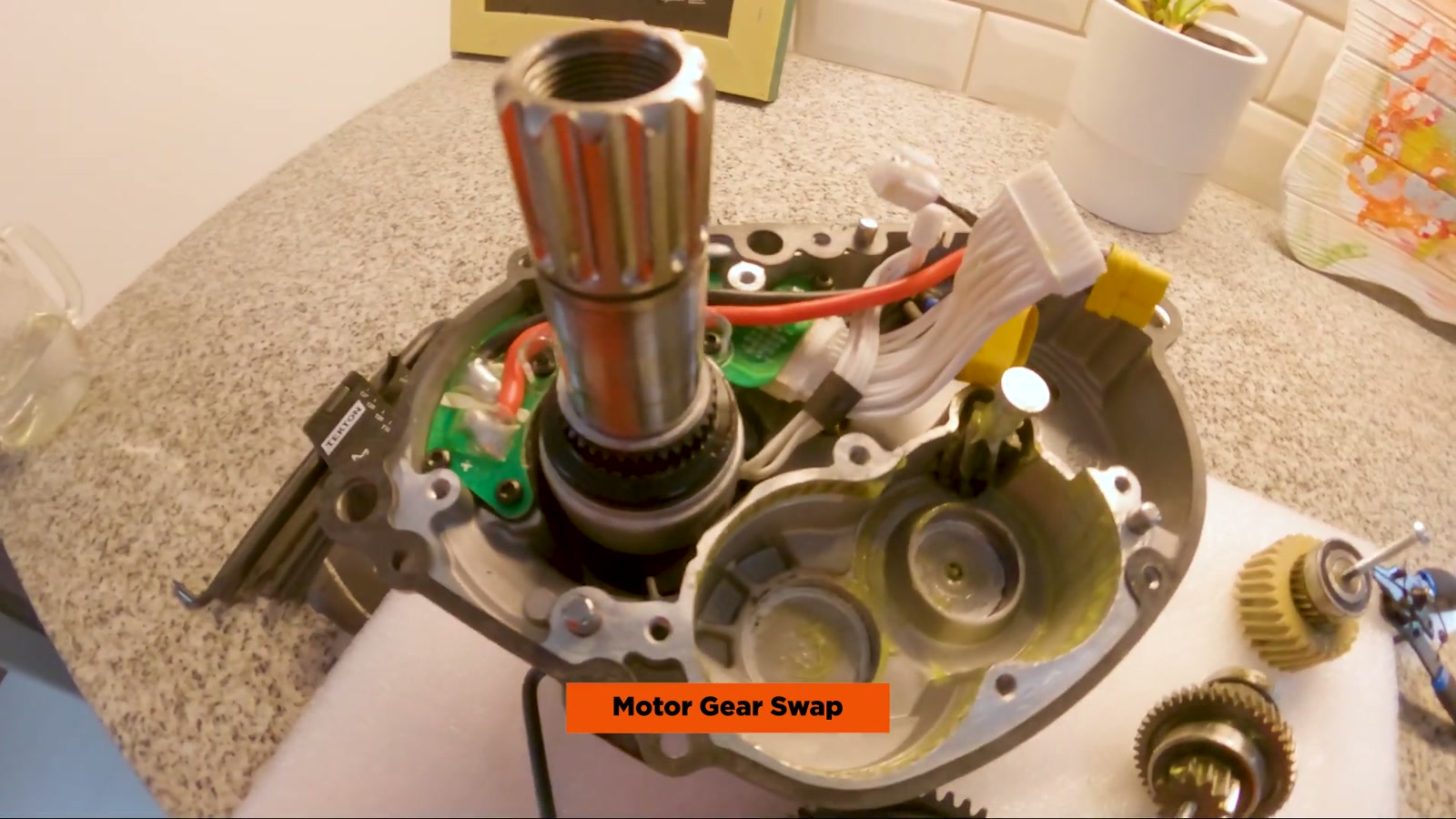
Once I started running the higher voltage setup, I ran into a problem inside the motor.
The stock main gear (nylon on my unit) stripped/melted from the extra torque load. The mid gear and final gear were steel and looked fine, but that nylon gear was the weak link.
I swapped it for a steel gear.
This is the part of the upgrade that’s easy to underestimate. If you’re going beyond the lower-voltage setup, plan on addressing the gear situation—especially if your bike shipped with the nylon gear.
Also worth noting: getting into the motor isn’t a “two-allen-keys-and-a-beer” job. You’ll want the right tools (including snap ring pliers) and the correct grease.
Dialing It In: VESC Tool + Throttle Calibration
After the hardware was in, the real fun started—tuning.
Throttle calibration is a must. Every throttle can read a little differently, so I calibrated min/max values in the app by twisting through the full range.
From there I focused on how the bike feels:
I set ramping so the throttle response could be more immediate
I mainly cared about smooth, predictable power delivery
At first I had some trouble getting pedal assist to behave correctly, but after calibrating (and re-checking it a couple times), the torque sensor, speed sensor, and pedal assist started working as expected.
First Ride Feel: Faster, Smoother, Still “LZR Pro”
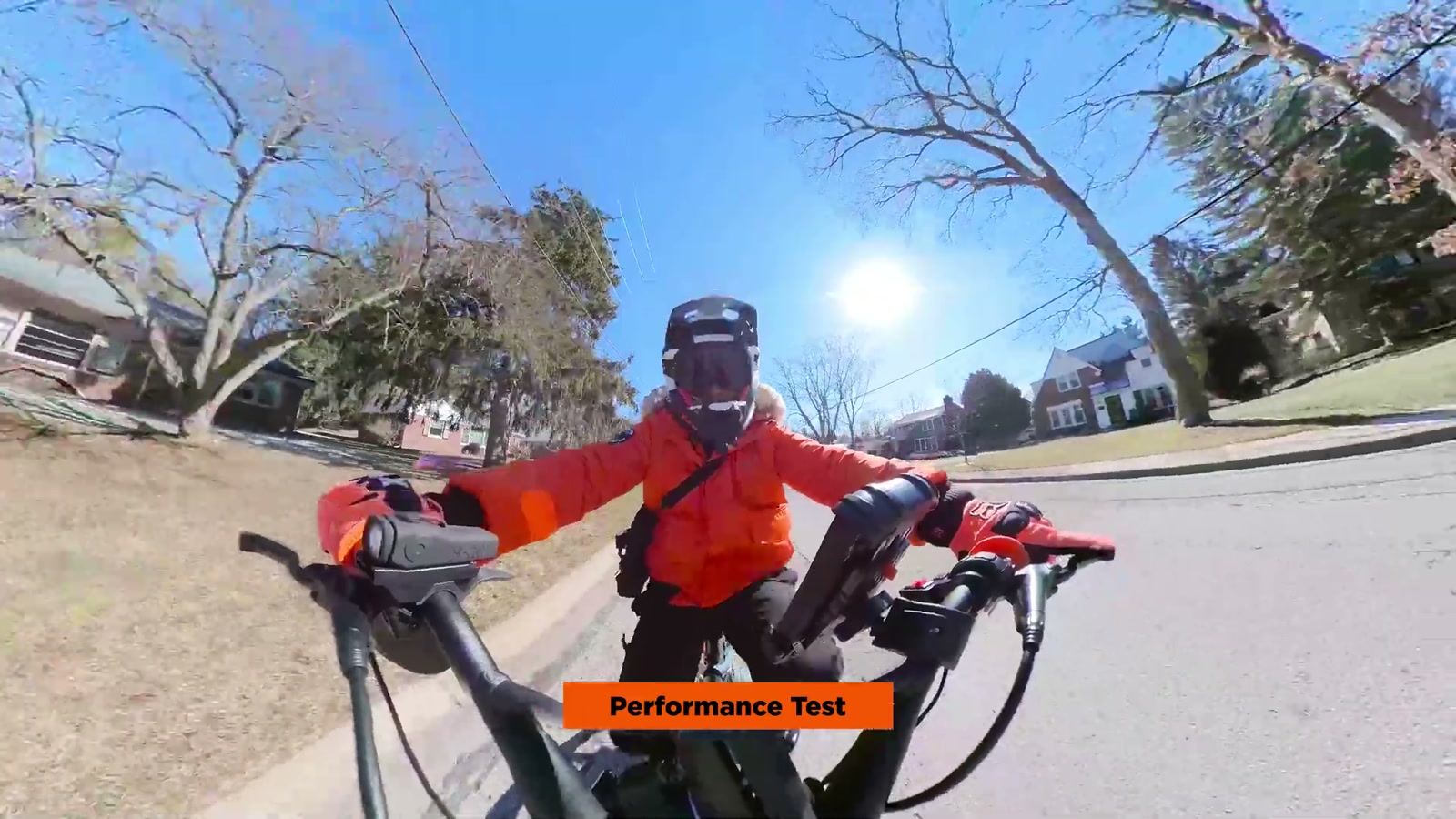
The first thing I noticed wasn’t a dramatic, scary surge—it was how smooth the bike felt.
It’s clearly faster than stock, but it doesn’t suddenly feel like a different category of machine. It still feels like an LZR Pro… just turned up.
Even after the steel gear swap, it stayed impressively quiet.
Pedal assist felt genuinely useful once everything was calibrated. I ran it at higher assist and it made the bike feel more complete—especially when I was mixing pedaling with throttle.
Real-World Speed Test
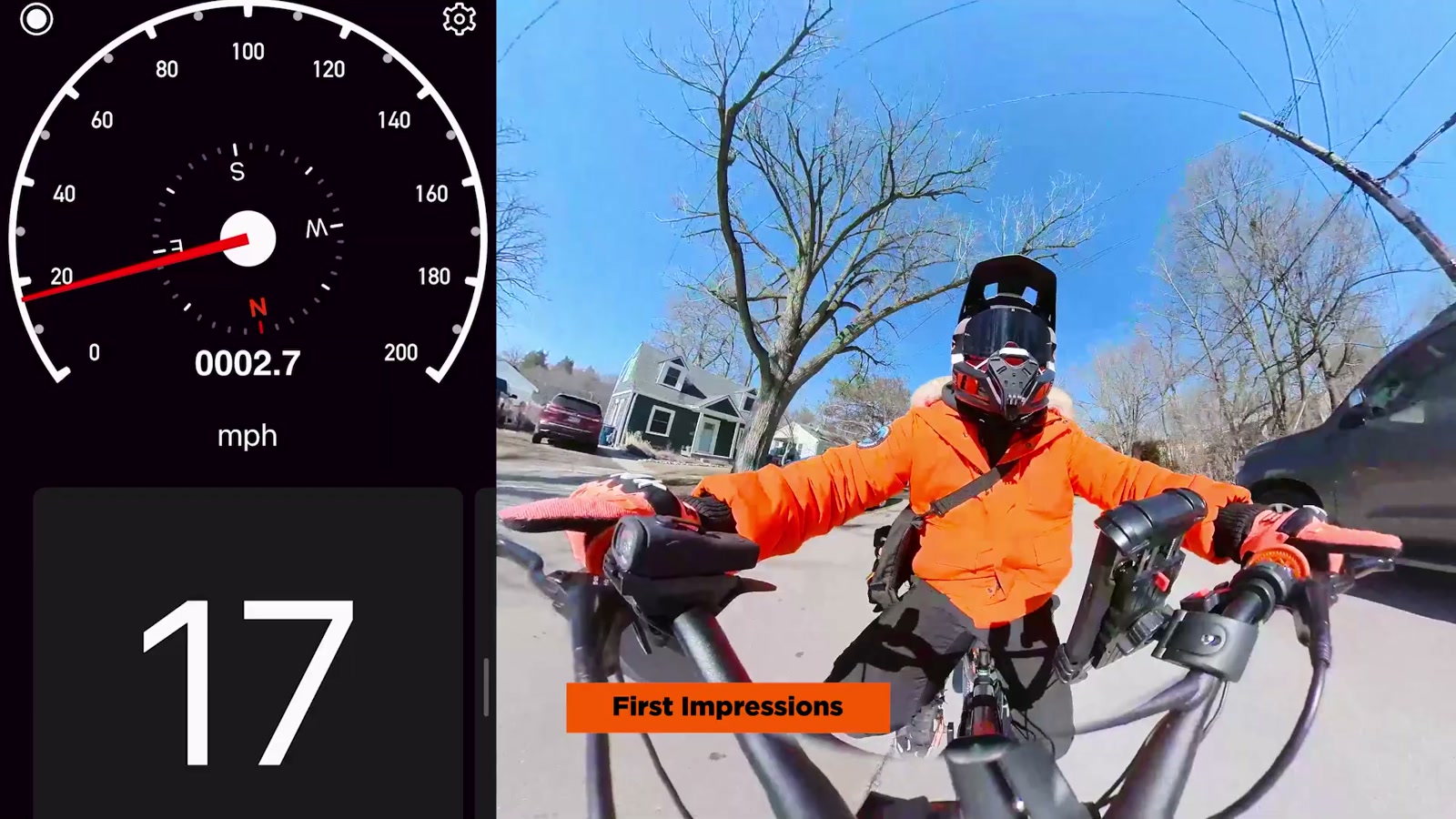
On my test run, I saw the bike climb into the 30s and I hit about 38 mph on a slight downhill.
I also cross-checked speed readings (GPS vs display) and they matched up well once the wheel size was set correctly.
The bigger takeaway for me wasn’t the absolute number—it was how quickly the bike gets there compared to the stock setup and how much easier it is to keep speed when I don’t feel like constantly pedaling.
Wheelies and Stunt Potential
This upgrade made the bike feel more capable for wheelies.
With the added torque, it’s easier to keep the front end up without needing to pedal as much to save it. That matters a lot if you’re trying to hold a wheelie longer or link combos without immediately dropping back down.
It still feels light, which is part of why I like the LZR Pro in the first place.
Comfort and Control Upgrades I Loved
A 52V controller/battery upgrade is the headline, but a few supporting mods made the ride better day-to-day:
BMX-style bars (6” rise)
Raising the bars changed the whole vibe. The LZR Pro went from “MTB-ish” cockpit to a more BMX-like stance that feels right for standing and controlling the bike.
Seat swap
I replaced the stock seat with an SE Bikes Flyer seat and it made rough roads way more tolerable. The stock seat was a weak point for me.
Street tires
I swapped to Maxxis Hookworm tires for street riding. They feel solid and pair well with the way I actually use this bike.
Cost and Accessibility
This is not a cheap upgrade, and the controller sourcing situation is real.
If you already own an LZR Pro and you can actually get the controller, I think it’s worth it for the tuning control and the fun factor.
If you can’t get the controller, I still think the throttle upgrade alone is a strong “minimum viable mod” that makes the bike more enjoyable.
What We Like
The bike feels noticeably faster and more fun while still keeping the lightweight LZR Pro character
Throttle tuning and calibration support through VESC Tool is a major upgrade in ride quality
Pedal assist becomes genuinely useful once calibrated correctly
External battery in a proper bag makes the setup practical and clean
Steel gear swap kept the drivetrain feeling solid after the higher power change
Things To Consider
Controller availability can be the biggest roadblock
Higher power can expose weak links (like the nylon gear)
Motor disassembly requires the right tools and care
This upgrade can get expensive quickly once you include the supporting parts
You’ll likely spend time tuning to get the throttle feel exactly how you want it
Final Thoughts
After living with the 52V setup, the LZR Pro feels like the bike it always wanted to be: still compact and playful, but with enough power and tunability to match a more aggressive riding style.
It fills a unique gap. It’s more capable (and more exciting) than a typical pedal e-bike, but it’s still more chill and lightweight than stepping all the way up into something like a Sur Ron-type ride.
If your goal is a BMX-feeling EV you can actually tune and push, this upgrade delivers—just go into it knowing it’s a real project, not a plug-and-play accessory.