

Smashing Pumpkins “Stumbleine” Animated Cover: My Adobe Character Animator Collab with Beth Sorrentino
May 5, 2020
Some links in this article may be affiliate links. If you buy through them, we may earn a small commission at no extra cost to you.
Some projects feel like a normal edit. This one felt like building a tiny, moody universe.
Read more: Adobe Character Animator

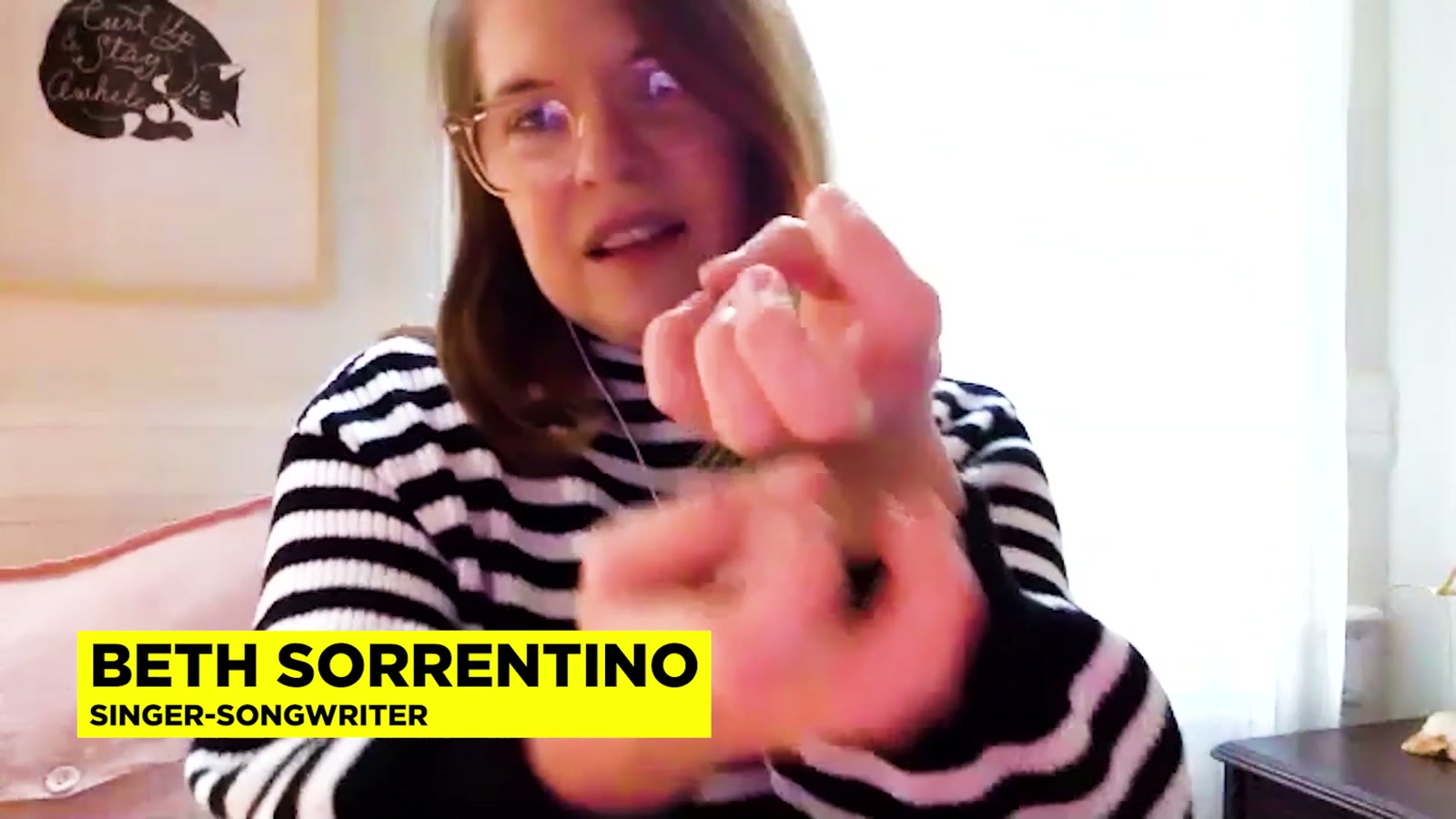
I wanted to make an animated cover of Smashing Pumpkins’ “Stumbleine” that leaned into the song’s weirdly comforting melancholy—without turning it into a straight-up performance video. So I teamed up with my friend Beth Sorrentino (singer-songwriter of indie pop band Suddenly Tammy) and built a stylized animated world around her vocal.
This wasn’t a spec-chasing tech demo. It was more like an EV lifestyle kind of creative session: use the tools you already have, keep it efficient, and make something that feels bigger than the budget.
The vibe I was chasing
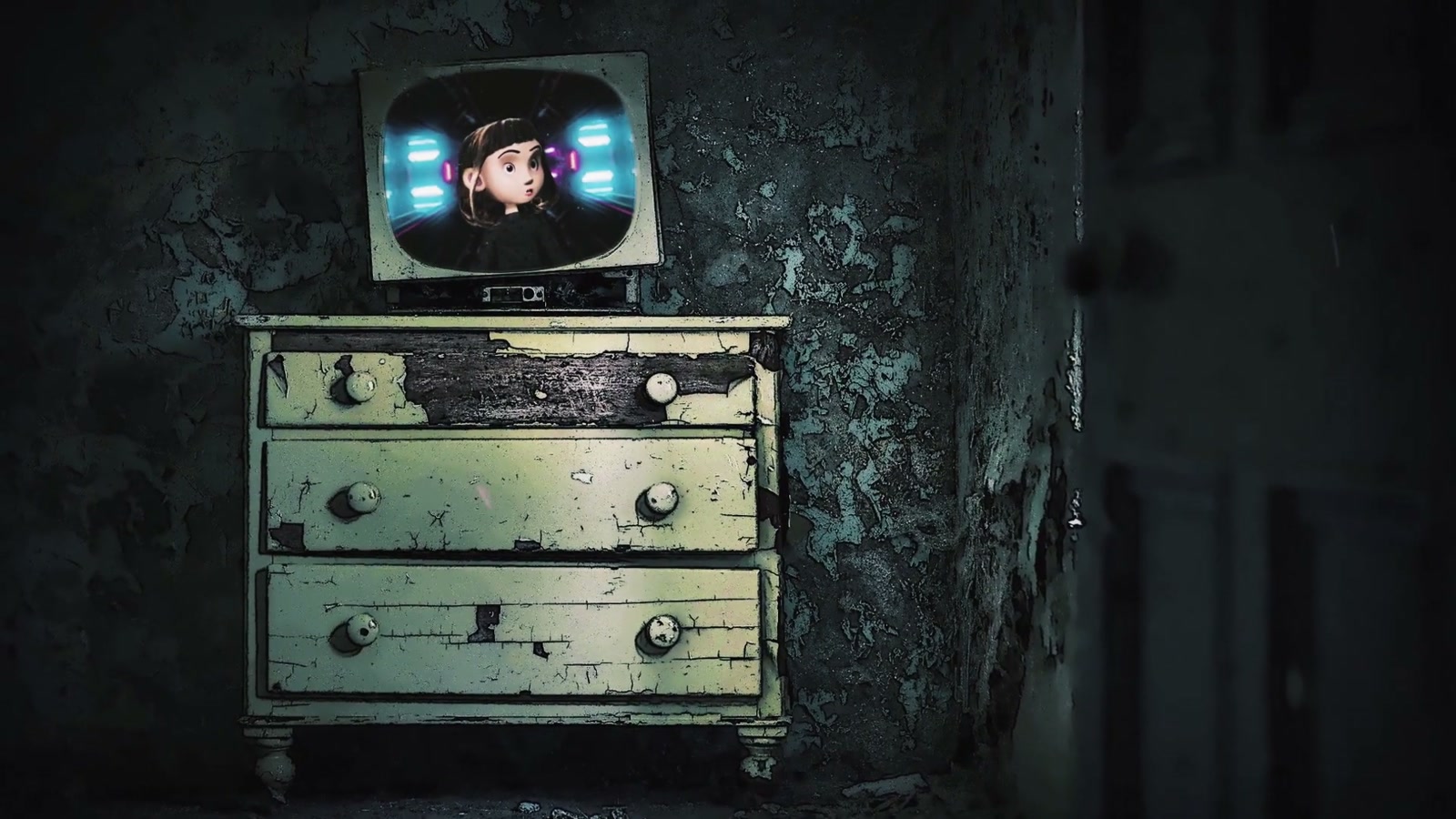
“Stumbleine” has that intimate, inward energy where the melody is almost hypnotic. I didn’t want the visuals to fight that. I wanted movement that felt like it belonged on the periphery—like you’re watching a late-night channel you shouldn’t be able to receive.
That’s where the concept of screens-within-screens and an animated character living inside a TV-world clicked for me. It let the animation be playful and a little eerie, while still giving the song space to breathe.
Working with Beth: raw, honest, and musical first
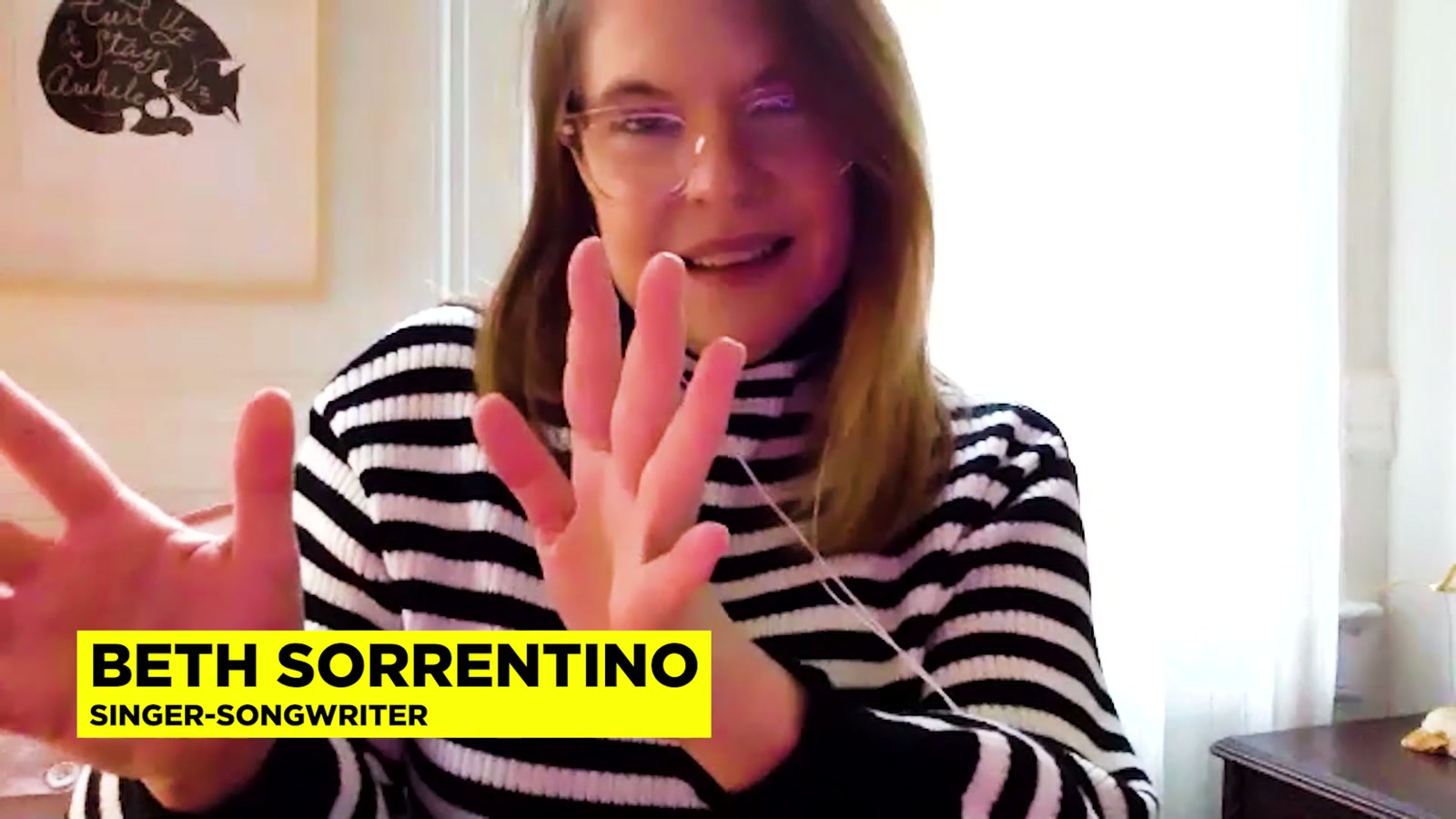
Beth approached the cover with the kind of instinct that makes collaboration easy. The early version she sent over didn’t feel over-produced—it felt raw and authentic, like the song was being rediscovered in real time.
One detail I love: she gravitates toward cyclical, repetitive parts and finds a way to echo that on piano. That approach fit the whole visual language I was building—loops, screens, repetition, and small variations that keep you locked in.
Beth also has the ability to play by ear, which came through in the performance. The result felt musical first, concept second—which is exactly what I wanted. If the song doesn’t land emotionally, no amount of animation magic saves it.
Building the animation with Adobe Character Animator
Adobe Character Animator was the backbone for the project. The big win for me is speed: it’s one of the quickest ways I’ve found to get from “idea” to “moving character with personality.”
Instead of obsessing over perfect polish, I focused on:
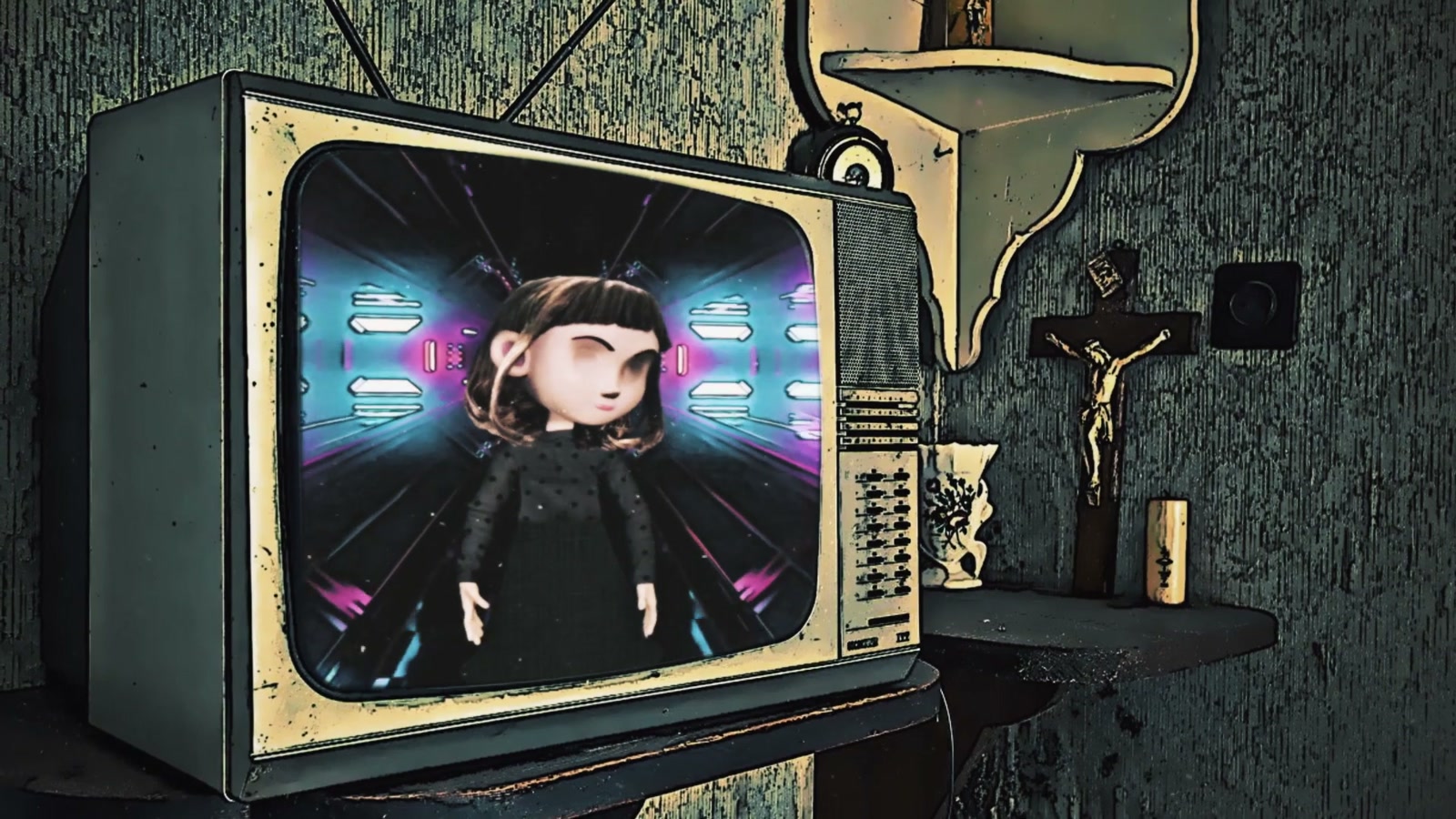
Keeping the character expressive and readable
Making the environment feel like a deliberate aesthetic choice (not a limitation)
Letting the animation support the rhythm and mood of the song
The more I leaned into stylization, the better it played. The moment I stopped trying to make it look like traditional animation and started treating it like an animated mixtape—everything snapped into place.
Real-world workflow: what it felt like to put it together
This project reminded me why I like tool-driven creativity: constraints keep you moving.
I treated it like a lean production:
Get a solid music performance first
Build a visual concept that can be executed efficiently
Let repetition do the heavy lifting (without feeling lazy)
Make it fun enough that you’ll actually finish it
The “screens” concept also ended up being weirdly timely—because so much of our lives now happens through rectangles. Instead of resisting that, I used it as the language of the piece.
What surprised me most
The biggest surprise was how sticky the visual identity became once it was paired with the song.
Beth told me that after seeing the animation, the imagery kind of imprinted—like the next time you hear the track, your brain automatically plays the little animated world along with it. That’s the dream outcome. Not “cool animation,” but “a new way to remember the song.”
What We Like
Fast creative momentum with Adobe Character Animator
The “TV world” concept matches the song’s mood without overpowering it
Beth’s performance feels intimate and unforced
Stylized animation makes limitations feel like aesthetic choices
Great example of making something memorable without a huge production footprint
Things To Consider
Character Animator rewards simplification; overly complex designs can slow you down
Stylized visuals work best when you commit fully (half-realistic often looks accidental)
Music performance is everything—if the vocal/arrangement doesn’t connect, the visuals won’t rescue it
If you share with students or younger audiences, double-check lyrics first (learned that the funny way)
Final Thoughts
This “Stumbleine” cover ended up being the kind of project I always want to make more of: efficient tools, strong collaboration, and a clear emotional target.
I’d recommend this workflow to any creator trying to stay productive without burning out—especially if you love music videos but don’t want every idea to turn into a month-long production. Keep the concept tight, keep the performance honest, and let the animation be the texture that makes it unforgettable.