
Anatomy of a Scene: Building the Gritty, Documentary-Style World of Action Bronson’s “Hookers at the Point”
February 26, 2020
Some links in this article may be affiliate links. If you buy through them, we may earn a small commission at no extra cost to you.
Some projects stick with you because they’re fun, some because they’re challenging—and a few because they force you to commit to a tone and never let go.
Read more: F*ck, That's Delicious
Read more: F*ck, That's Delicious
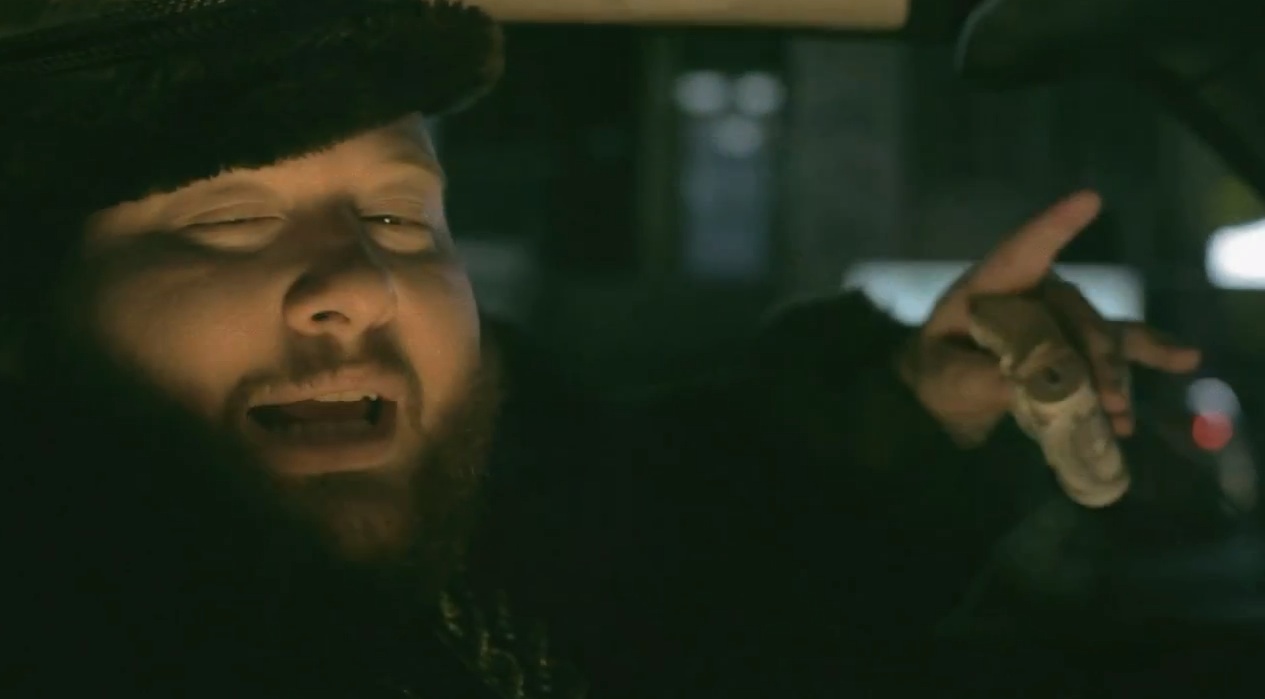
“Hookers at the Point” was one of those. I built it as an homage to the 1996 HBO documentary “Hookers at the Point,” and the goal wasn’t to romanticize anything. It was to capture the grit, the discomfort, and that documentary-style authenticity that makes you feel like you’re standing on the curb with the characters, watching choices compound in real time.
Below is how I approached the setting, the characters, and the visual language—plus what I’d do again (and what I’d be careful about) if I were tackling a similar “narrative documentary” music video today.
The North Star: Don’t Glamourize It
When you reference a real-world documentary—especially one praised for showing the unvarnished reality of something as bleak as street-level prostitution—you don’t get to half-step the tone.
From the first creative conversations, the mission was simple:
Keep it candid and raw.
Let the environment feel indifferent.
Make the world feel lived-in, not styled.
Let the narrative feel like it’s unfolding over a single night.
That last point mattered more than I expected. Even when a music video is built from lyrical vignettes, pacing those moments like one continuous descent can make the whole thing hit harder.
Location and Texture: Getting the Industrial “Point” Feeling
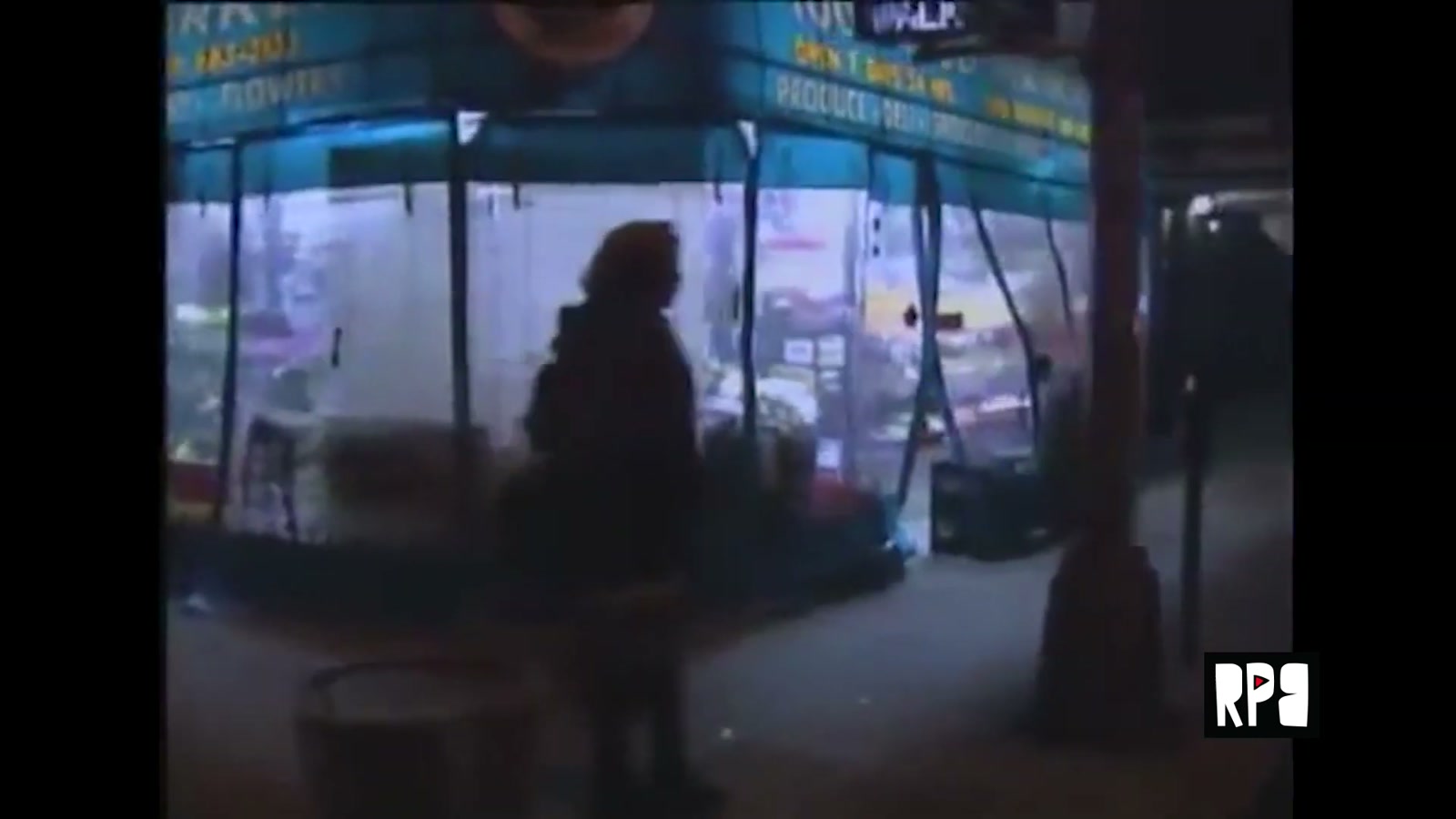
We didn’t film in Hunts Point itself. Instead, I shot in an industrial pocket of Flushing, Queens that could carry the same kind of hard, utilitarian texture.
What I wanted from the location:
Industrial edges (metal, concrete, harsh streetlight geometry)
Spaces that feel functional, not cinematic
Backgrounds that don’t distract, but quietly weigh on the frame
The setting does a ton of work in a story like this. If the environment feels too designed, it starts to feel like a set. The minute it feels like a set, the audience feels safe. And safety was the opposite of what this piece needed.
The Characters: A Triangle of Damage
my test lives and dies on the character triangle—three people tied together by pressure, dependency, and self-destruction.
Cindy: The Performance Has to Be Fearless
Cindy (played by Dori Greenberg) required a portrayal that went past surface-level “gritty.” I needed the character to feel like a person with history, patterns, and survival instincts—not a costume.
A lot of the strongest moments are uncomfortable because they feel too plausible. That’s the point.
Silk: A Pimp Without the Usual Gloss
Action Bronson played Silk, and what made it work wasn’t flashy mythmaking—it was the ugly mix of control mechanisms packed into the persona.
The performance threads together:
intimidation and threats
loyalty and dependence
money as leverage
violence and sex as tools
I also leaned into choices that pushed him away from a “cool” archetype—right down to vocal and behavioral details—because the instant a character like Silk feels aspirational, you’ve failed the assignment.
Ramon: Subtlety as the Twist of the Knife
Ramon (played by Party Supplies) is the quiet contradiction.
He’s not performed as a cartoon villain or a caricature. He’s played subtly—like someone who has built a philosophy to justify his choices, even while those choices are clearly chewing him up.
The dynamic I wanted to land was this:
he believes in personal freedom
he isn’t “hurting anyone” (in his own framing)
but he’s absolutely hurting himself
That self-harm is the real tell. The character reads like a dead-end life propped up by instant gratification—sex, drugs, distraction—anything to keep the walls from closing in.
Wardrobe and Era: Early ’90s Without Feeling Like Dress-Up
Costumes were a huge part of locking the period vibe. The trick is that “era accuracy” can’t feel like a Halloween aisle.
I pushed for choices that looked worn-in and economically consistent with the world:
silhouettes that suggest early ’90s
pieces that look owned, not purchased for set
styling that supports the character’s place in the food chain
If it looks too clean, it reads as production. If it looks too curated, it reads as trend. Neither belongs here.
The Camera Feel: Vintage, Lived-In, Imperfect
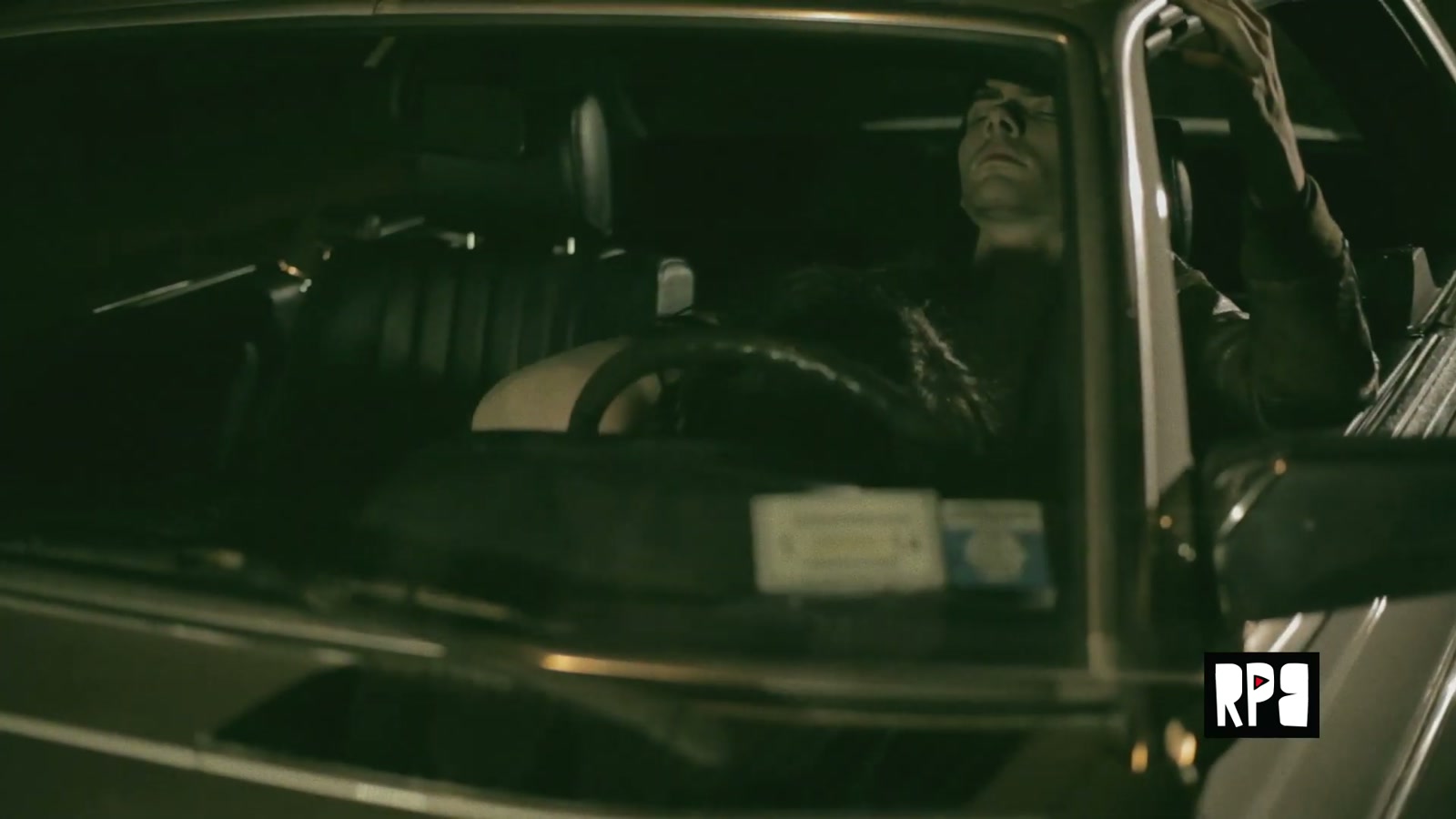
The gritty look came from a mix of camera choice, lenses, and practical in-camera effects.
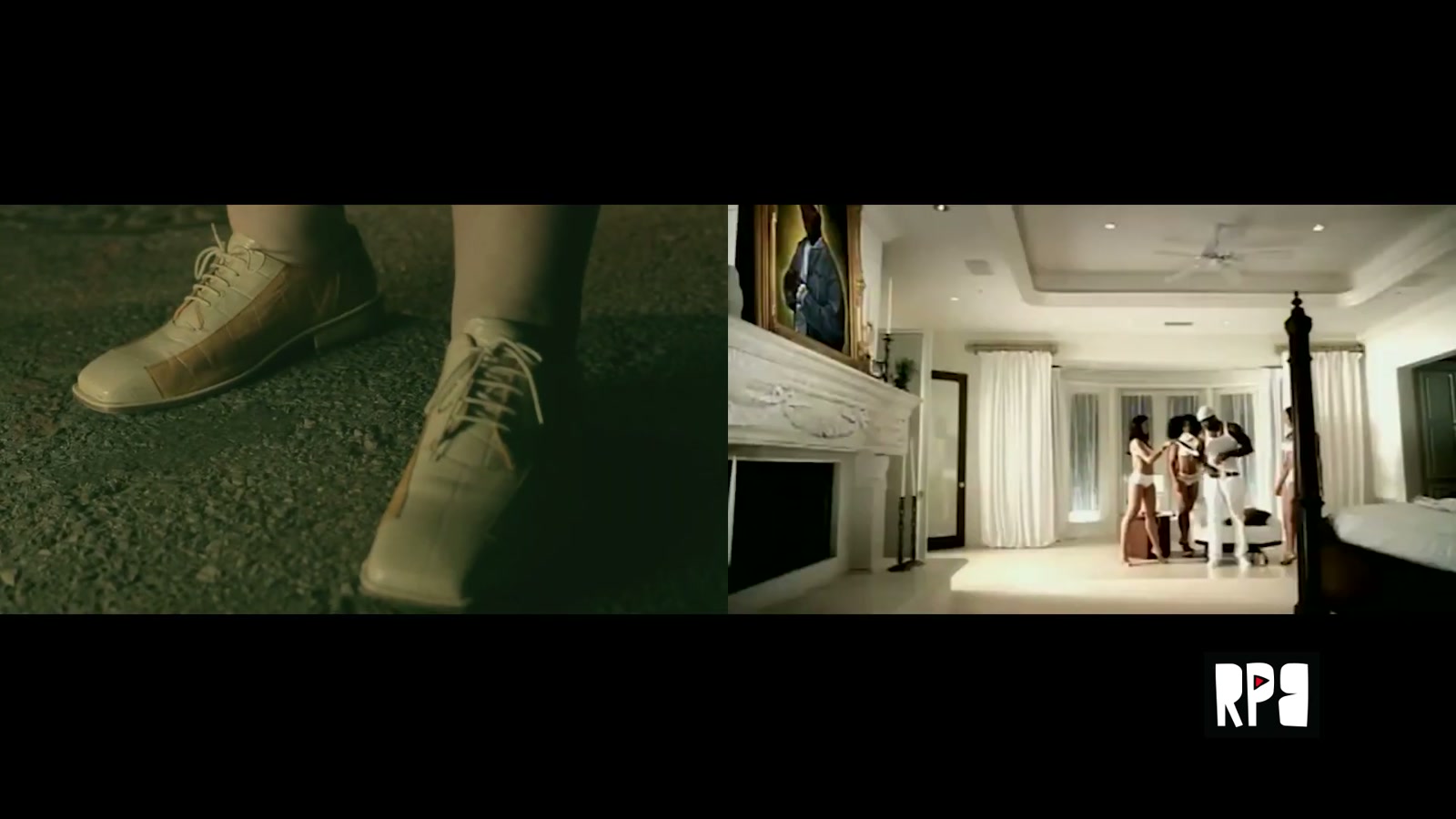
I shot on a Canon 5D paired with Zeiss CP.2 cinema lenses, and I used homemade “street filters” to create the kind of flare and bloom you’d get from a less sanitized, more opportunistic shooting style.
What mattered wasn’t technical perfection—it was the feeling:
street lamps turning into soft, imperfect bokeh
flare that feels accidental, not designed
an image that suggests you’re witnessing, not staging
That “vintage lived-in” quality does a lot of storytelling. It makes the audience lean in like they’re watching something they maybe shouldn’t be watching.
Power Dynamics: The Purse-on-the-Street Moment
One of the most telling beats in the story is when Silk dumps the contents of Cindy’s purse into the street.
It’s not just anger—it’s management through humiliation.
The implication is that the relationship runs on deprivation and reward:
rules, quotas, incentives
compensation when she performs
punishment when she doesn’t
It also hints at an economy of control where money disappears into drugs, and the “business” side becomes indistinguishable from coercion.
This is the kind of moment that makes the world feel tragically coherent. Nobody is randomly evil. Everyone is operating inside a system that grinds them down.
What We Like
The documentary-style tone stays consistent and doesn’t drift into glamor.
The location choice sells the world with texture and indifference.
Dori Greenberg’s performance as Cindy feels committed and unflinching.
Action Bronson’s Silk lands as psychologically sharp, not cartoonish.
Party Supplies’ subtle Ramon performance adds realism instead of spectacle.
The imperfect, street-lit image adds “witness” energy that supports the subject.
Things To Consider
Referencing real-world tragedy demands restraint; the line between authenticity and exploitation is always there.
The more “vintage” you push the look, the more you need to keep it motivated by environment (streetlights, practicals) so it doesn’t feel like an effect.
When a story leans on archetypes (pimp, prostitute, john), performance nuance is the only thing that keeps it human.
Final Thoughts
This scene breakdown still reminds me why tone is everything. When you’re trying to capture documentary grit inside a music video format, the job isn’t to make it pretty—it’s to make it honest.
The combination of industrial texture, period-aware wardrobe, lived-in camera imperfections, and character work created a narrative that feels like it’s happening to real people over one long, collapsing night. That’s not an easy watch, and it shouldn’t be.
If you’re building something in this lane, I’d focus less on gear worship and more on the emotional contract you’re making with the audience: commit to the truth of the world you’re depicting, and don’t flinch when it gets uncomfortable.